
US-Iran Nuclear Talks Move to Rome as Tensions Simmer

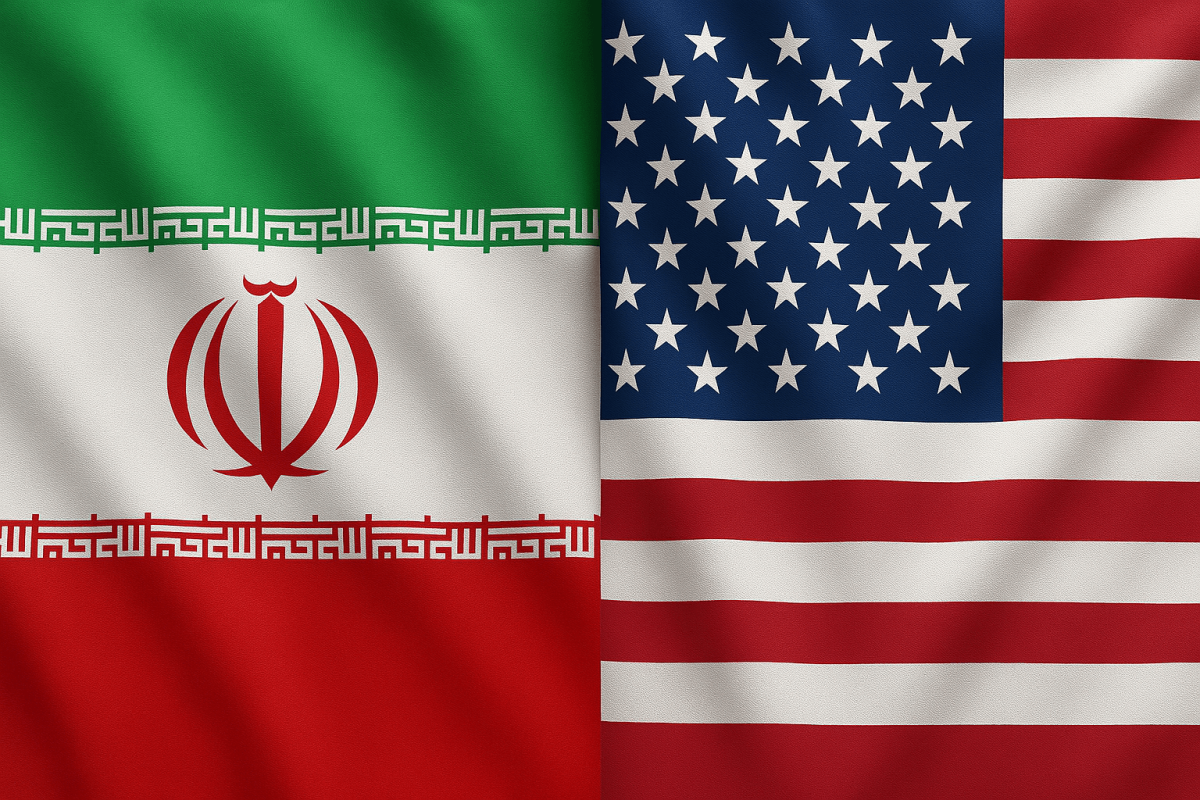
The flags of Iran and the United States
The Islamic Republic of Iran has confirmed that the second round of nuclear talks with the United States will be held in Rome this weekend. On April 12, both sides concluded the first round in Oman, aiming to strike a nuclear agreement that would restrict Iran’s nuclear activities in exchange for sanctions relief.
Both chief negotiators—Iranian Foreign Minister Abbas Araghchi and US President Donald Trump—expressed satisfaction with the initial round. Araghchi described the talks as “constructive,” while Trump noted they were “going okay.” Given this positive start, the next round is expected to yield more substantial progress.
Trump’s Letter to Khamenei Sparked the Talks
In a Fox News interview last month, Trump revealed he had written directly to Iran’s Supreme Leader, Ayatollah Ali Khamenei, urging a return to negotiations. Initially, Iran rejected the proposal. Tensions escalated when Trump threatened an unprecedented bombing campaign if Iran refused dialogue. Iran responded with strong rhetoric, ruling out direct engagement but eventually agreeing to indirect talks.
This shift led to the first meeting in Muscat, where Omani mediators shuttled messages between the two sides, with US special envoy Steve Witkoff leading the American delegation.
Iran’s Nuclear Programme and International Concern
Iran remains a signatory to the 1968 Non-Proliferation Treaty (NPT), which promotes peaceful nuclear use and prevents weapons proliferation. Despite this, suspicion over Iran’s intentions grew in the early 2000s after revelations of a clandestine nuclear site.
Although Iran insisted on civilian use, the International Atomic Energy Agency (IAEA) and several countries raised concerns. By 2010, the UN, US, and EU imposed heavy sanctions, triggering a severe economic downturn and plummeting Iran’s currency.
However, in 2015, under President Barack Obama, both nations reached the Joint Comprehensive Plan of Action (JCPOA). It provided sanctions relief in return for strict nuclear limits and IAEA inspections. The agreement was designed to last 15 years.
Trump’s Withdrawal and Iran’s Response
In 2018, President Trump withdrew from the JCPOA, calling it a “bad deal” and demanding broader terms. He reimposed sanctions, forcing Iran to reconsider its JCPOA commitments.
Iran soon resumed uranium enrichment. While JCPOA capped enrichment at 3.67% and allowed only 300 kg of uranium, by March 2025, the IAEA reported that Iran held 275 kg enriched to 60%—close to weapons-grade levels. If fully enriched, that stockpile could yield six nuclear bombs.
What Do the US and Iran Want?
As negotiations progress, the core demands of both countries remain at odds. President Trump seeks a “better” deal than the JCPOA, one that leads to the complete dismantling of Iran’s enrichment capabilities. His envoy, Witkoff, insists Iran must eliminate enrichment entirely, not just limit it.
Meanwhile, Iran firmly defends its right to enrich uranium. Foreign Minister Araghchi emphasized that this right is non-negotiable and urged the US to drop its threats if it wants meaningful engagement.
Also Read: Israel to Keep Troops in Gaza, Syria, Lebanon: Defence Minister
Discover more from News Tap One
Subscribe to get the latest posts sent to your email.
