
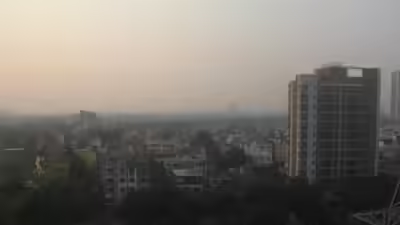
Kolkata Ranks Third-Worst Polluted Capital City in India in January 2026, CREA Data Shows
Kolkata, West Bengal — Kolkata was ranked the third-most polluted capital city in India in terms of average fine particulate matter (PM2.5) concentration for January 2026, according to a monthly air quality report by the Centre for Research on Energy and Clean Air (CREA). The city’s average PM2.5 levels for the month significantly exceeded India’s National Ambient Air Quality Standards, placing it behind only a few other urban centres in the country.

The CREA report, widely cited by environmental analysts, found that a large proportion of Indian cities — including Kolkata — recorded PM2.5 concentrations above safe limits, reflecting a widespread breach of national air quality standards during the winter months. Nearly half of the monitored cities in India exceeded the official limit for PM2.5, highlighting the extensive air pollution challenge facing urban centres.
Fine particulate matter (PM2.5) — tiny airborne particles less than 2.5 micrometres in diameter — is considered one of the most harmful air pollutants due to its ability to penetrate deep into lungs and enter the bloodstream, increasing risks of respiratory and cardiovascular diseases. National data from CREA underscores that none of the Indian cities complied with the World Health Organization’s guideline for PM2.5, which is far stricter than India’s own standards.
Local air quality monitoring also showed severe pollution episodes in recent days, with real-time Air Quality Index (AQI) readings for Kolkata at levels classified as unhealthy to severe, reinforcing concerns about public health impacts.
Experts point to a combination of vehicular emissions, industrial activity, biomass burnin g, and unfavourable weather conditions during winter as primary drivers of elevated PM2.5 levels. These factors, common across many Northern and Eastern Indian cities, often trap pollutants near the surface, worsening air quality.
State and civic authorities have been urged to step up pollution mitigation measures, including expanding monitoring networks, promoting cleaner transport, and enforcing industrial emission norms. As winter transitions to warmer months, meteorological changes may bring some relief, but air quality experts warn that long-term policy action remains essential to protect public health.
Discover more from News Tap One
Subscribe to get the latest posts sent to your email.

