
Devotion Amidst Danger: Lessons from the Simhachalam Wall Collapse
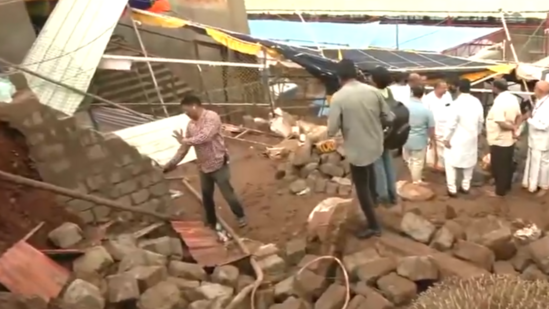
At least seven people lost their lives in a tragic wall collapse at the historic Sri Varaha Lakshmi Narasimha temple in Simhachalam, Andhra Pradesh. The incident has not only shocked devotees and locals but also brought to light the deeper issues of infrastructural neglect, administrative oversight, and bridge systemic gaps in managing public safety at religious sites in India.
The Incident: Unfolding of a Preventable Tragedy
On a day of high devotional turnout—for festival—a retaining wall at the temple premises collapsed, reportedly due to heavy rainfall. Several devotees were caught under the debris, with at least seven confirmed dead and others injured. Initial responses indicate poor drainage and inadequate structural resilience as probable causes.
Infrastructural Neglect and Administrative Apathy
This incident is yet another example of a long-standing problem in India—poor maintenance of heritage and religious structures despite their heavy public usage. The retaining wall collapse points to either age-related wear and tear or substandard construction and repair practices. The absence of regular structural audits, particularly in high-risk areas like hilly terrains, is a major lapse.
Moreover, the temple, being a major pilgrimage site, falls under the purview of the temple trust and state authorities. The lack of coordination between them and their failure to ensure disaster preparedness, especially during monsoon season, exposes deep flaws in governance.

Public Safety and Sacred Spaces: A Neglected Dimension
Temples and other religious spaces often receive thousands of visitors every day, yet they operate without strict safety regulations. While faith drives large gatherings, the infrastructure rarely evolves to meet the growing demand. Inadequate crowd control, emergency preparedness, and poor awareness among devotees make these places vulnerable to disasters.
Despite repeated tragedies across the country—be it stampedes, fires, or collapses—there is little movement towards institutionalizing safety norms in these contexts. Simhachalam is now a grim addition to this list.
Reactions and Political Posturing
Political leaders were quick to express their condolences and announce compensations, as is customary after such events. However, such reactive politics rarely translates into systemic reform. What’s often missing is accountability—neither temple officials nor contractors are immediately held responsible, and inquiries seldom lead to long-term changes.
There is also the risk of politicization, especially when temple administrations are affiliated with powerful religious or political organizations, which can shield them from scrutiny.
A Call for Structural and Policy Reforms
To prevent such tragedies, a comprehensive approach is needed:
- All major temples must undergo mandatory structural audits.
- Clear public safety regulations for religious institutions must be enacted and enforced.
- Integration of disaster preparedness protocols, including weather alerts and emergency training for temple staff.
- Independent regulatory bodies should monitor temple infrastructure and visitor safety, free from political interference.
Conclusion
The Simhachalam wall collapse is a stark reminder that faith alone cannot protect devotees from infrastructural failure. Unless religious institutions are held to the same safety and administrative standards as other public spaces, such tragedies will continue. True reverence for sacred spaces must include ensuring the safety and dignity of all who visit them.
Discover more from News Tap One
Subscribe to get the latest posts sent to your email.

