
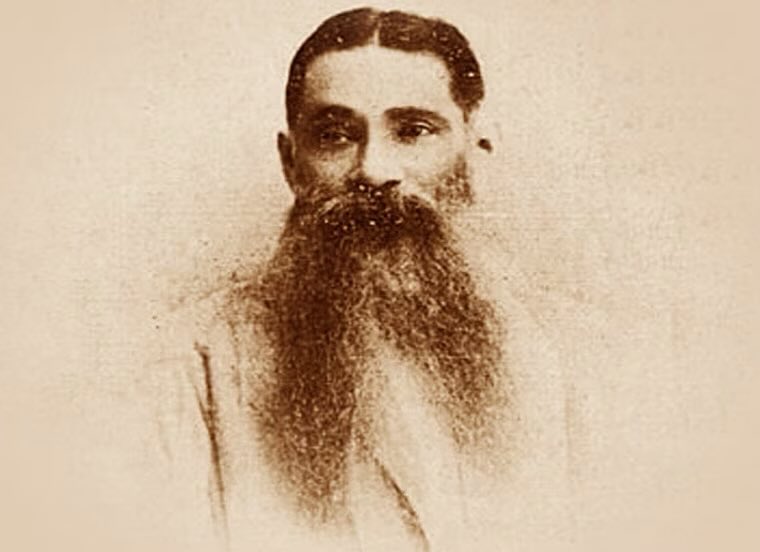
Womesh Chandra Bonnerjee: The Quiet Voice That Sparked a National Movement

Kolkata, December 29 — Long before mass rallies, slogans, and nationwide protests defined India’s freedom struggle, there was a man who believed that reason, law, and dialogue could awaken a nation. Womesh Chandra Bonnerjee, born on December 29, 1844, in Calcutta, was that voice.Raised in a city alive with intellectual debate, Bonnerjee grew into one of the finest legal minds of his time. As a barrister at the Calcutta High Court, he earned respect not just for his courtroom brilliance, but for his integrity. At a time when Indian professionals faced systemic discrimination, his success itself became an act of quiet resistance. History remembers Bonnerjee most vividly for 1885, when he became the first President of the Indian National Congress. The Congress, in its early days, was not a mass movement but a fragile idea — a platform where Indians could speak for themselves within the rigid framework of British rule. Bonnerjee’s leadership gave that idea credibility. His calm demeanour and belief in constitutional methods helped unite diverse voices under a single political banner.Yet, Bonnerjee was no stranger to courage. He famously defended nationalist leader Surendranath Banerjee in court and went on to make history as the first Indian to contest a seat in the British House of Commons. Though unsuccessful, his decision challenged the very notion that Indians were unfit to represent themselves.Despite spending years in England, Bonnerjee never severed his bond with Calcutta. His heart remained with the city that shaped him and the country he hoped to see heard.On his birth anniversary, Womesh Chandra Bonnerjee is remembered not for loud slogans, but for laying the foundation of India’s political awakening — a reminder that revolutions often begin with measured words and unwavering belief.
Discover more from News Tap One
Subscribe to get the latest posts sent to your email.

