
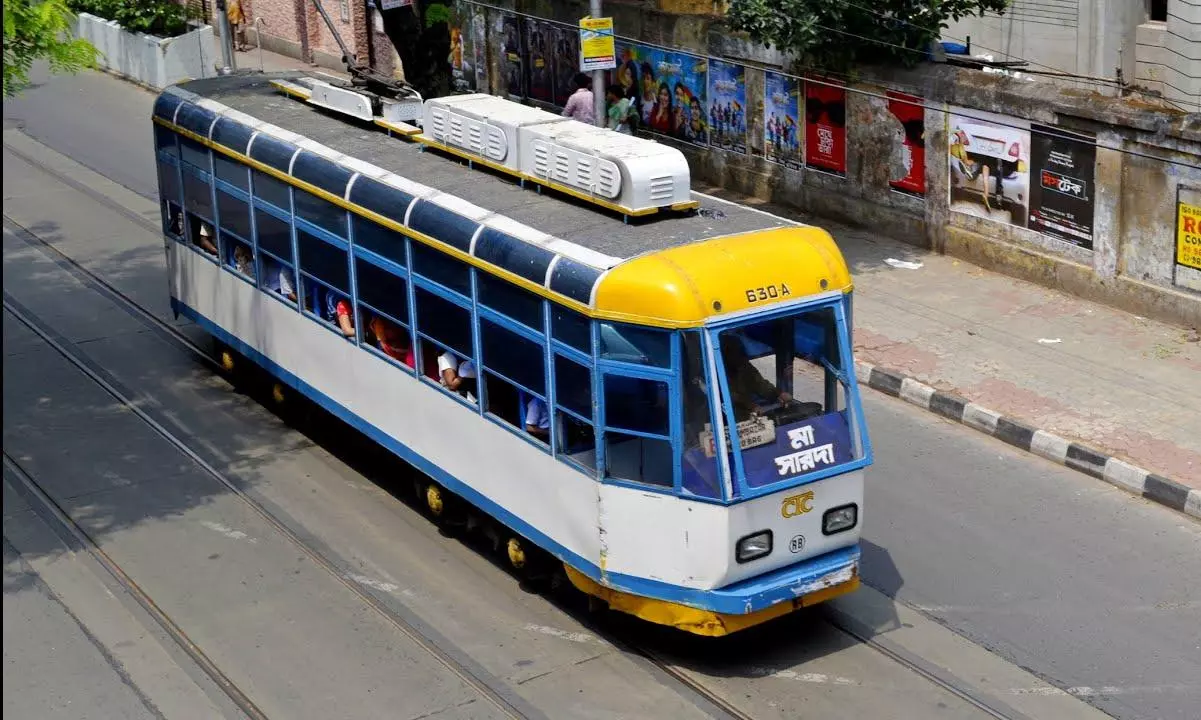
Kolkata’s Iconic Tram Network May Shut Down After 152 Years, Heritage Route Likely to Remain

KOLKATA — After 152 years of rumbling through the heart of the city, Kolkata’s iconic tram network is poised for what could be its final journey. The West Bengal government has confirmed plans to shut down most of Asia’s oldest tram system, preserving only a small “heritage route” for symbolic operation. The decision, framed as a necessary step toward urban modernization, has ignited fierce debate among residents, activists, and heritage conservationists who see the tram not merely as transport, but as the soul of Kolkata.
Introduced in 1873, the trams have long been a defining feature of Kolkata’s urban landscape. However, authorities have cited the need for modernisation, traffic congestion, and infrastructure challenges as key reasons behind the proposed shutdown. According to officials, maintaining the ageing network has become increasingly difficult in a rapidly changing city.
The move has triggered strong reactions from residents, transport activists, and heritage conservationists. For many Kolkatans, the tram is not merely a symbol of nostalgia but an affordable and reliable mode of daily transport used by generations of students and commuters. Protests and legal challenges have emerged, with citizens arguing that the trams represent the city’s cultural and historical identity.
Voices from the Streets
“For us, the tram wasn’t nostalgia — it was a daily necessity,” says Abha Maity, a longtime resident of North Kolkata. “Generations of students and commuters relied on it. It was affordable, eco‑friendly, and part of our daily rhythm.”
Maity’s sentiment echoes across the city, where petitions, protests, and even court battles have tried to save the tram. Opponents of the shutdown argue that trams represent a sustainable form of urban mobility, producing zero direct emissions and occupying far less road space per passenger than cars or buses.
“Modernization shouldn’t mean erasure,” says heritage activist Rohit Sen. “Cities like Melbourne, Lisbon, and San Francisco have preserved and modernized their trams, blending heritage with functionality. Why can’t Kolkata?”
While a small heritage corridor is expected to survive, critics fear that reducing the system to a symbolic route undermines its practical and social value. As the debate continues, Kolkata stands at a crossroads—balancing the demands of modern urban development against the preservation of a transport system that has shaped the city’s soul for over a century.
Discover more from News Tap One
Subscribe to get the latest posts sent to your email.

