
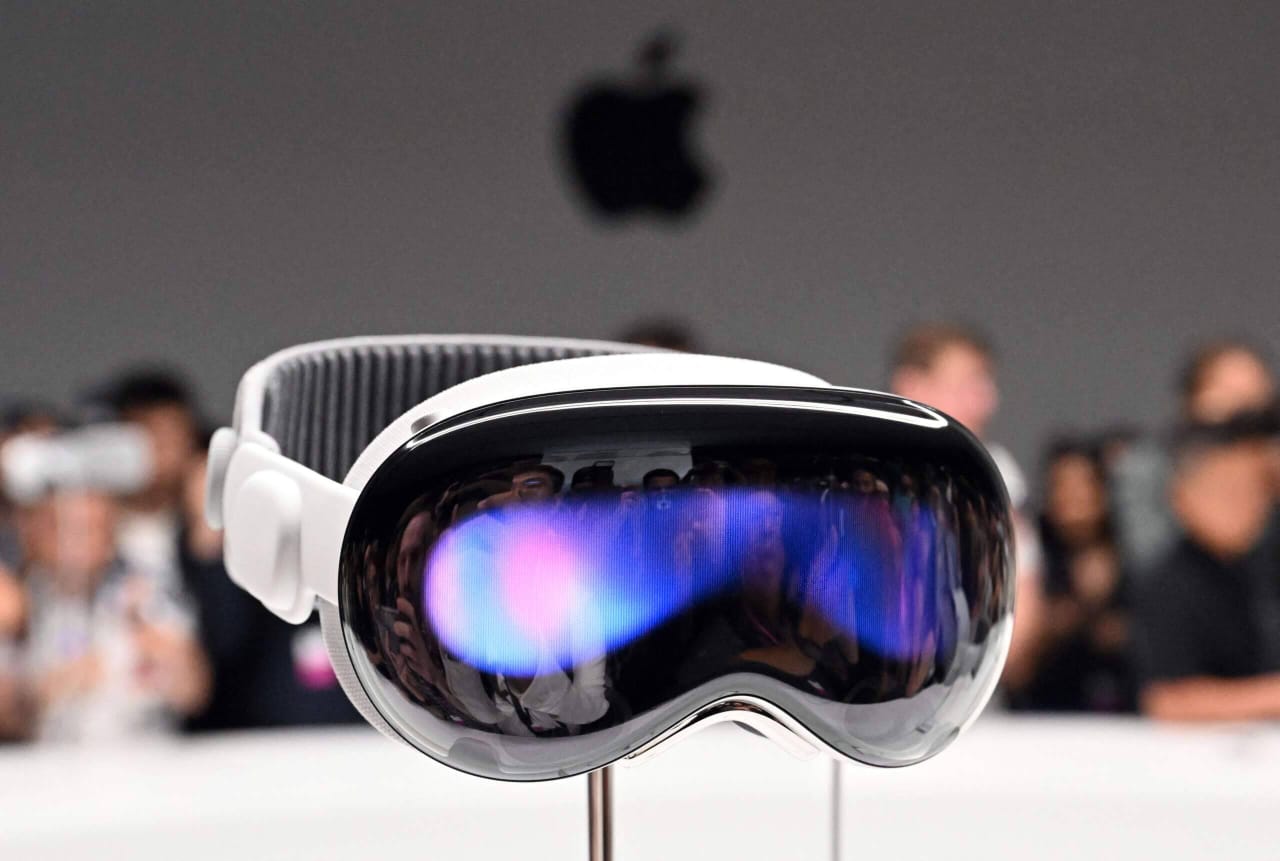
Mixed reality headset: Vivo Vision blends AR, VR, and MR seamlessly.
Shenzhen, August 22, 2025
Vivo Enters the XR Market with Vision Headset
Vivo officially launched its mixed reality headset, called Vision, stepping into a market dominated by Apple, Meta, and HTC. The device combines augmented reality, virtual reality, and mixed reality in one platform. With this launch, Vivo positions itself not only as a smartphone brand but also as a serious competitor in spatial computing.

What Makes the Mixed Reality Headset Unique?
The mixed reality headset offers something most devices fail to deliver: smooth transitions between AR, VR, and MR. Vivo Vision achieves this through a physical dial that allows users to adjust immersion levels instantly. This design choice ensures flexibility—users can switch from a fully immersive VR movie to overlaying digital apps on their real desk without removing the headset.
Unlike standard VR devices that trap users in digital environments, Vision balances immersion with real-world awareness. This balance matters for long-term use, whether for entertainment, collaboration, or productivity.
AR, VR, and MR Explained Clearly
- Augmented Reality (AR): Enhances the physical environment with added visuals or data. For example, navigation arrows appearing on city streets.
- Virtual Reality (VR): Creates fully digital surroundings. A VR game can transport a player to an ancient battlefield.
- Mixed Reality (MR): Blends both worlds, letting users interact with holograms in real space. Imagine designing furniture virtually inside your actual living room.
The mixed reality headset integrates these three approaches into one system. Vivo’s hardware and software enable smooth blending, so the digital content does not feel separate from the real world.
Technical Superiority of Vivo’s Vision
Vivo Vision stands out through its lightweight design and powerful specifications:
- Weight Advantage: Only 398 grams, about 40% lighter than Apple Vision Pro. Lighter devices reduce strain during extended use.
- Display Technology: Dual 8K Micro-OLED lenses with a 90Hz refresh rate provide sharp and smooth visuals.
- Performance Core: Qualcomm XR2+ Gen 2 chipset powers graphics and tracking, ensuring minimal lag.
- Operating System: OriginOS Vision introduces intuitive hand and eye tracking. Users control apps without controllers.
- Comfort Engineering: Cushioned padding and balanced weight distribution improve long-session wearability.
By merging premium components with ergonomic design, Vivo ensures accessibility for both professionals and casual users.
Use Cases of the Mixed Reality Headset
The mixed reality headset unlocks wide possibilities:
- Education: Teachers can create immersive lessons where history or science unfolds around students in 3D.
- Remote Collaboration: Virtual workspaces allow colleagues worldwide to brainstorm on 3D models in shared digital rooms.
- Healthcare: Surgeons can visualize 3D anatomy overlays during real procedures, enhancing accuracy.
- Entertainment: Gamers and movie lovers can experience realistic environments without losing connection to their surroundings.
- Retail and Design: Customers can preview furniture or fashion virtually in real spaces before purchase.
These use cases highlight how mixed reality can expand beyond entertainment into industries shaping everyday life.
How Vivo Competes with Apple and Meta
Apple’s Vision Pro and Meta’s Quest dominate the XR conversation. However, Vivo Vision introduces three competitive advantages:
- Weight and Comfort: Lighter than Apple’s headset, making daily use easier.
- Pricing Strategy: Reports suggest Vivo will launch at nearly one-third of Vision Pro’s price.
- Regional Market: Vivo’s strong Asian smartphone presence provides a ready user base.
If priced strategically, Vivo Vision could democratize mixed reality adoption across emerging markets where premium headsets remain inaccessible.
Global Significance of Vivo’s Mixed Reality Headset
The mixed reality headset marks more than just a product launch—it signals a broader technological shift. By creating affordable, lightweight, and powerful devices, companies like Vivo reduce barriers to spatial computing. As adoption grows, industries such as retail, education, healthcare, and entertainment will undergo radical transformation.
Vivo Vision could accelerate mainstream MR adoption in Asia before spreading globally. Its affordability may also force competitors to reconsider their pricing.
Final Outlook: Mixed Reality Headset as the Future
The mixed reality headset defines the next stage of immersive technology. By merging AR, VR, and MR into one platform, Vivo Vision goes beyond entertainment—it introduces practical tools for work, learning, and creativity.
As devices get lighter, sharper, and more affordable, the future of digital interaction will not remain on flat screens. Instead, it will blend into daily life, surrounding us with immersive experiences that feel natural and intuitive.
Read more : Delhi Stray Dogs Sterilisation Plan Modified by Supreme Court.
Discover more from News Tap One
Subscribe to get the latest posts sent to your email.

