
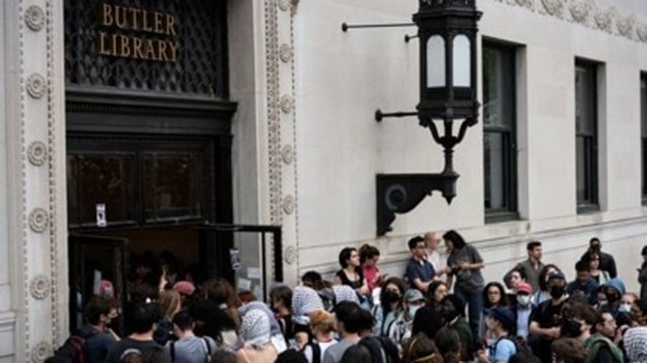
Student Arrests at Columbia University: A Campus Protest in Global Context
Over 50 students were arrested at Columbia University during a pro-Palestinian protest, marking a significant moment in the ongoing debate over free speech, student activism, and institutional neutrality. The incident, rooted in the wider conflict in Gaza, has drawn national attention and sparked fresh conversations about the role of universities in global political movements.
The Protest and its Demands
The arrested students were part of a larger group demanding that Columbia University divest from companies linked to Israel and its military operations in the Palestinian territories. They had set up encampments and conducted sit-ins on campus to press their demands for financial transparency and ethical investment. Protesters framed their actions as part of a broader movement for human rights and solidarity with the Palestinian people.
University Response and Police Involvement
In response, the university administration called in the New York Police Department (NYPD), leading to the arrest of over 50 students. Columbia officials cited concerns about campus safety, disruption to academic activities, and violations of university rules. The decision to bring in law enforcement, however, sparked sharp criticism from students, faculty, and civil liberties advocates who saw it as a heavy-handed suppression of peaceful dissent
Free Speech or Campus Disruption ?
This incident raises complex questions about freedom of expression on college campuses. Supporters of the protest argue that peaceful assembly and political expression are fundamental democratic rights. On the other hand, critics claim that some of these protests verge into territory that can make students of other backgrounds feel unsafe, especially amid rising concerns about antisemitism. Universities, caught in the middle, struggle to balance inclusivity with open discourse.

Broader Political and Social Context
The Columbia protest is not an isolated event. Similar demonstrations have occurred at universities across the U.S., reflecting a generational shift in political consciousness. Younger Americans, particularly students, are more likely to criticize U.S. support for Israel and advocate for Palestinian rights. This evolving stance contrasts with the more cautious or pro-Israel views traditionally held by institutional leadership and political elites.
Conclusion
The arrests at Columbia University are emblematic of a larger global moment, where campus activism meets geopolitical tension. As universities confront these protests, they must carefully navigate the line between maintaining order and upholding the foundational principles of free inquiry and political engagement. The outcome will shape not only campus climates but also the democratic values young people carry into the world.
Discover more from News Tap One
Subscribe to get the latest posts sent to your email.

