
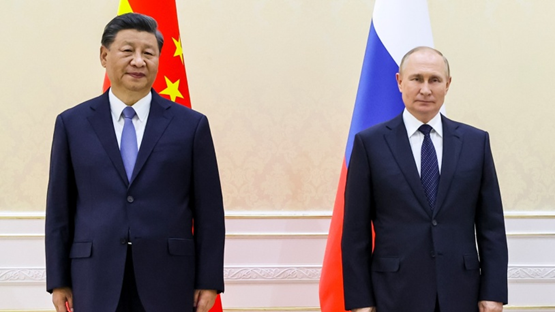
China’s Xi Jinping Attends Russia’s Victory Day Amid Ukraine War: A Strategic Statement

As President Xi Jinping visited Moscow for Victory Day celebrations, the event marked more than just a commemoration of the Soviet Union’s triumph in World War II. It was a powerful symbol of the evolving China-Russia alliance, one that carries significant implications for the global geopolitical landscape—especially as Russia continues its military offensive in Ukraine.
Victory Day and Its Symbolism
Victory Day, celebrated annually on May 9, is a pivotal moment in Russia’s national identity, highlighting its role in defeating Nazi Germany in 1945. It has become a platform for showcasing military power and patriotic pride. Xi’s presence at this ceremony, amid a full-scale war in Ukraine, sends a deliberate message: China stands by Russia, at least diplomatically, during a time of international condemnation.
China-Russia Strategic Alignment
The two countries have deepened their partnership in recent years, declaring a “no limits” friendship in early 2022, just weeks before the Ukraine invasion. Since then, China has:
- Avoided condemning Russia’s actions,
- Expanded trade, especially in energy and critical goods,
- Provided diplomatic support in global forums.
Xi’s visit reaffirms this alignment, portraying both nations as counterweights to Western influence and united in challenging the current U.S.-led world order.
A Message to the West
The timing and optics of the visit are significant. As the West continues to supply Ukraine with military aid and imposes sanctions on Russia, Xi’s appearance signals defiance. It shows that Russia is not diplomatically isolated, and that China is willing to assert its global influence, even at the cost of deteriorating relations with Western powers.
This diplomatic gesture challenges Western narratives about global unity against Russia and highlights the emergence of new power blocs in international politics.

Risks and Global Implications
However, Xi’s attendance is not without risks. China has sought to position itself as a neutral actor in the Ukraine war, even floating proposals for peace negotiations. By appearing publicly alongside Putin on such a nationalistic occasion, Beijing undermines this neutrality, potentially alienating Europe and complicating its economic relationships with the West.
Moreover, the visit occurs as active hostilities continue in Ukraine, including artillery exchanges and drone attacks. The juxtaposition of celebration and conflict underscores the moral ambiguity and realpolitik behind such alliances.
Conclusion
Xi Jinping’s participation in Russia’s Victory Day celebrations amid the ongoing Ukraine conflict is a calculated diplomatic move. It strengthens the China-Russia bond, asserts resistance to Western dominance, and reshapes the international narrative. As the war drags on and global alignments shift, this visit may be remembered as a key moment in the rise of a new, multipolar world order.
Discover more from News Tap One
Subscribe to get the latest posts sent to your email.

