
Fueling the Fire: Kharge Slams ‘Fake’ Oil Reserves as West Asia War Cripples Indian Kitchens.

As domestic LPG wait times hit 25 days and 60,000 tonnes of exports sit stranded, the Opposition demands the Prime Minister answer for ‘strategic blindness’ amid the intensifying Gulf crisis.
As the conflict in West Asia enters a volatile new phase, its impact is being felt in Parliament, resulting in a fierce clash between the Union Government and an energized Opposition. On Thursday, Congress President Mallikarjun Kharge openly criticized the government’s handling of the crisis. He accused the administration of “strategic blindness,” which has left millions of Indian households vulnerable to rising costs and supply chain problems. The Opposition’s attack highlights the gap between official statements and actual conditions. The Ministry of Petroleum has mentioned a 74-days oil reserve to reassure markets, but Mr. Kharge called this “paper-thin comfort.” He pointed out the current 25-day wait for LPG cylinder refills affecting several states.
The effects of “Operation Epic Fury” have quickly shifted from global oil prices to local economies, creating urgency that transcends party lines. Small eateries and dhabas across the country are reportedly closing due to a shortage of commercial gas cylinders. Meanwhile, the cost of raw materials for essential medicines has increased by about 30 percent in less than two weeks. The agricultural sector also faces a serious threat; with the Strait of Hormuz becoming a war zone, India’s access to vital fertilizers like urea and NPK is in jeopardy. The export sector is nearly paralyzed, with over 60,000 tonnes of Basmati rice and large wheat shipments stuck at ports, endangering the livelihoods of thousands of farmers and traders who depend on the West Asian market.
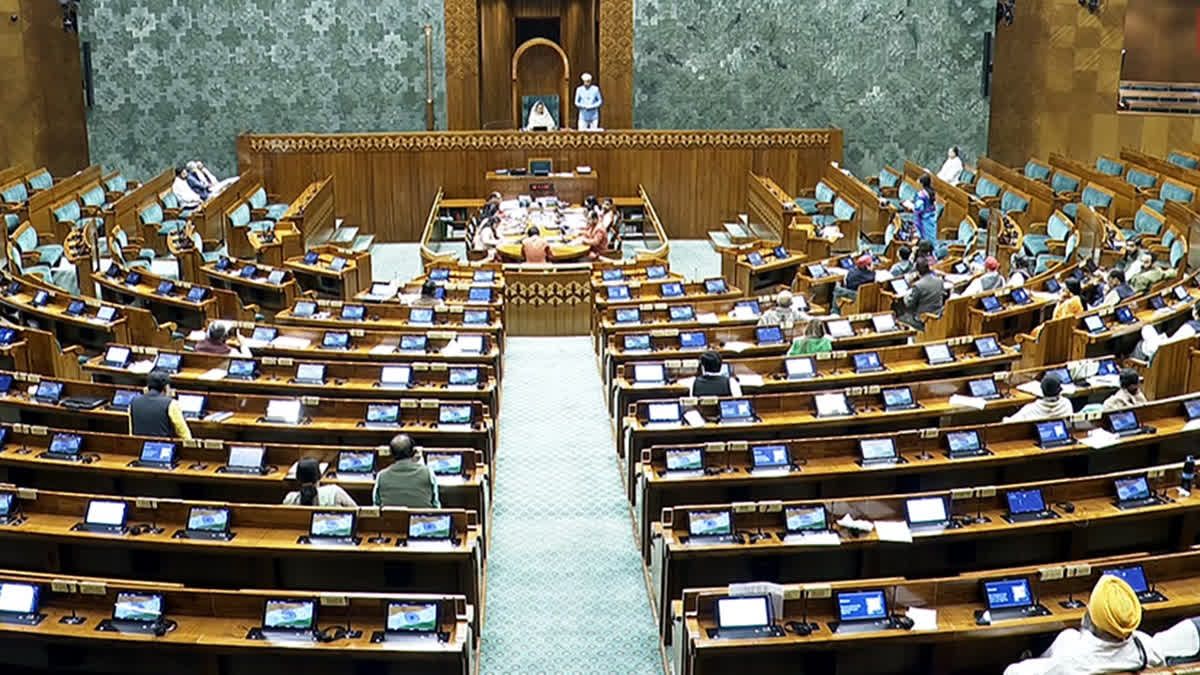
Inside the House, the atmosphere was tense as the Opposition demanded that Prime Minister Narendra Modi speak directly to the nation. They urged him to move beyond “source-based leaks” and share a genuine contingency plan. The recent rejection of a no-confidence motion against the Speaker has only heightened tensions. The INDIA bloc claims that serious concerns about the 67,000 Indian nationals currently stranded in the Gulf are being overlooked. While External Affairs Minister S. Jaishankar’s briefing on the situation confirmed the serious nature of the evacuation challenge, it has not satisfied critics. They argue that the economic “shield” promised by the government is failing to protect ordinary people from the immediate impact of $120-per-barrel oil.
As the government navigates a delicate diplomatic situation, exemplified by the controversial decision to let an Iranian vessel dock at Kochi for humanitarian reasons, political pressure at home is increasing. Textile and automobile manufacturers are now reporting “cascading cost pressures.” The situation is shifting from a distant geopolitical issue to a real threat to India’s industrial growth and food security. For the Modi government, managing the complexities of a West Asian war is becoming a two-front battle. One front involves maintaining strategic independence on the global stage, while the other involves a restless domestic populace seeking immediate relief from the looming global energy crisis.
By Anupama Shaw
Discover more from News Tap One
Subscribe to get the latest posts sent to your email.

