
India Must Safeguard Its Export-Oriented Industries and Emerge Stronger
Tamil Nadu, India: With the 50% tariff imposed by the US administration taking effect on August 27, 2025, India’s export-driven industries are facing unprecedented uncertainty. Tamil Nadu, a leading hub for manufacturing and software, is particularly vulnerable as the US accounts for 31% of its merchandise exports, compared to 20% for India overall.
The steep hike has triggered order cancellations and rendered Indian products less competitive in the global market, heightening fears across sectors.
Tamil Nadu’s Textile Industry at Risk
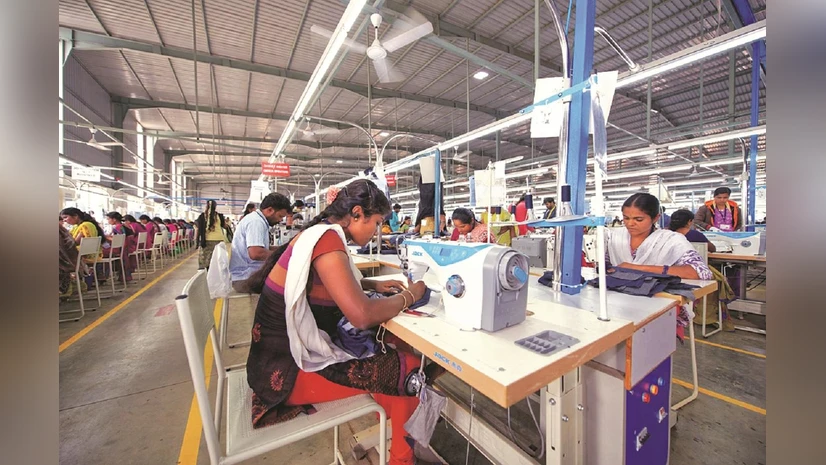
Tamil Nadu, contributing 28% of India’s textile exports, sustains millions of families, especially in districts like Tiruppur, where 65% of textile workers are women. Last year, Tiruppur alone earned foreign exchange worth ₹40,000 crore, fueling allied industries like dyeing, logistics, and packaging.
Estimates from Guidance Tamil Nadu project potential losses of $3.93 billion across sectors, with the textile industry alone risking $1.62 billion in losses and massive job cuts if tariffs persist.
Calls for Union Government Intervention
Tamil Nadu Chief Minister M.K. Stalin has urged the Union government to deliver a coherent policy framework to safeguard export sectors. Recommendations include:
- A special relief package with loan moratoriums
- Correction of the inverted GST structure
- Collateral-free loans under ECLGS
- Enhanced RoDTEP incentives
- Fast-tracked free trade agreements (FTAs) with the EU, UK, and African nations to diversify export markets
State-Level Initiatives for Industry Support
While awaiting central intervention, Tamil Nadu has rolled out measures such as capital investment subsidies for eco-friendly textile processing units and support for modernization of existing units. Initiatives like the Technical Textile Mission launched in 2025 aim to tap opportunities in technical textiles, a growing segment used in healthcare, infrastructure, and industrial applications.
The state has also improved worker housing, skill training, and social security, recognizing that competitiveness stems from skilled, motivated workers rather than cheap labor.
A Call for Urgent Action
Despite the temporary suspension of the 11% customs duty on cotton imports, industry leaders warn that these steps address only part of the challenge. Without federal support, policy clarity, and proactive trade negotiations, the export sector risks large-scale disruptions.
Chief Minister Stalin stressed that the crisis is more than a trade issue it is about India’s future in global manufacturing and trade. Unity and swift action, he emphasized, are essential for India to protect its exporters, safeguard jobs, and turn this crisis into an opportunity for long-term growth.
