
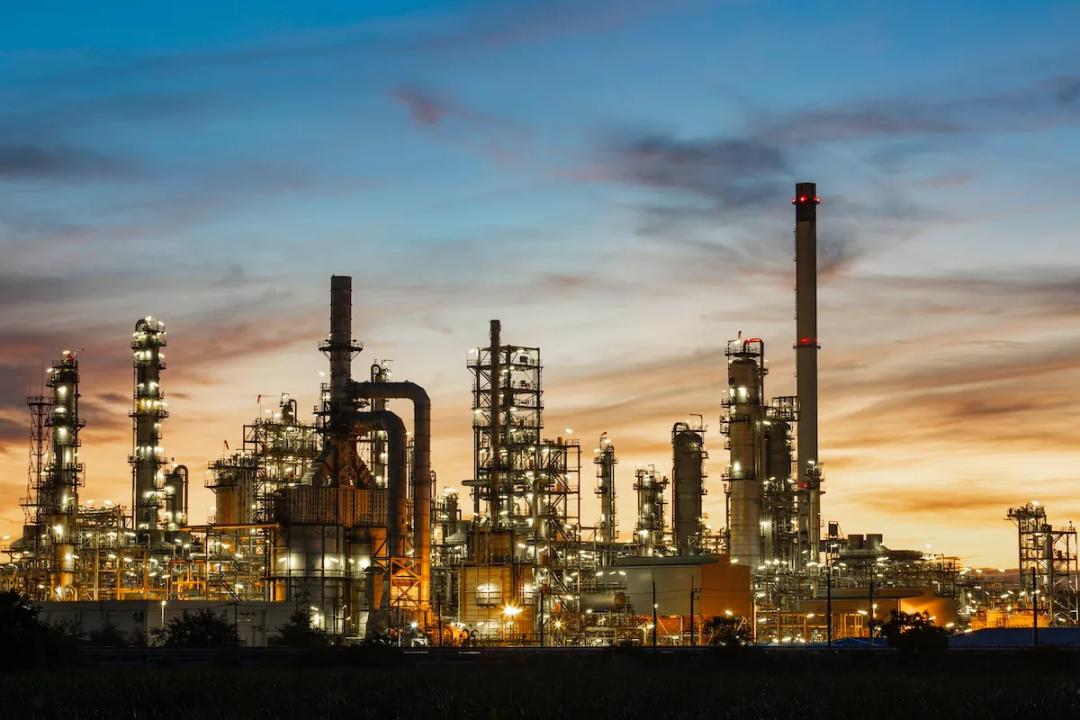
Crude rises, stock fall on fears over nascent Iran ceasefire

For a fleeting moment on Wednesday, the world breathed a collective sigh of relief. Headlines flashed news of a U.S.-brokered ceasefire between Washington and Tehran, promising a two-week pause in a conflict that has kept the global economy on a knife’s edge. For families worried about heating bills and commuters watching gas station displays with dread, it felt like the first ray of sun after a long storm.
But by Thursday morning, that warmth had vanished, replaced by the cold reality of “geopolitical risk.”
The optimism that sent stocks soaring and oil prices plunging 15% yesterday has hit a wall of skepticism. Crude prices are climbing once again, Brent crude pushed back toward $97 a barrel? while major stock indices across Asia and Europe have turned red. The reason? A “nascent” peace is proving to be a fragile one.
The Human Cost of Uncertainty:
Behind the cold data of “market volatility” are real-world anxieties. When crude rises, it’s not just a ticker on a screen; it’s the farmer in the Midwest wondering if he can afford the diesel for spring planting, and the small business owner in London weighing whether to hike prices or cut staff.
The current jitters stem from reports that the truce is already fraying at the edges. While the U.S. and Iran agreed to a 14-day window to negotiate, the exclusion of the conflict in Lebanon has created a dangerous loophole. As Israel continues its operations against Iran-backed Hezbollah, Tehran has threatened to tear up the agreement and close the Strait of Hormuz once more.
A Market Built on Hope and Fear:
The cold, clinical language of “market volatility” often masks the raw human anxiety that drives it. We talk about the “war premium” as if it’s just another line item on a spreadsheet, but for the average person, it’s the invisible tax paid at every gas pump and grocery checkout. It is the cost of fear materialized in our daily lives. Right now, that fear is centered on a narrow stretch of water called the Strait of Hormuz. We see the data points, but we rarely think about the merchant sea captains standing on their bridges, scanning the horizon with binoculars, caught in the agonizing wait for military clearance. Their hesitation isn’t just a logistical delay; it’s a heartbeat in the global economy skipping a beat because the risk of a misstep is simply too high.
This tension has sent a shiver through the world’s financial centers, triggering a primal retreat. When the future feels this opaque, investors stop dreaming about the next big technological breakthrough and start looking for a place to hide. The exodus from tech stocks into the stoic safety of gold and the U.S. dollar isn’t just a strategic “pivot”, it is a collective reach for something solid to hold onto while the ground shifts. We are watching a global community try to balance the desperate hope for peace against the survival instinct that warns us not to get too comfortable. Behind every flickering red number on a trading floor is a person wondering if the fragile truce in Iran will hold or if we are simply witnessing the quiet before a much louder storm. We aren’t just trading commodities; we are trading our collective sense of security.
Ultimately, the markets are mirroring a very human sentiment: caution. We want to believe in the promise of a ceasefire, but we’ve seen how quickly ink on a page can be erased by a single strike on the ground. Until the “two-week pause” transforms into a durable peace, the global economy remains a passenger on a very turbulent flight, waiting for a landing that still feels miles away.
Discover more from News Tap One
Subscribe to get the latest posts sent to your email.
