
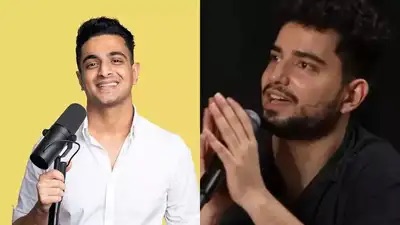
Supreme Court Orders Comedians to Broadcast Public Apology on Their Channels

In a landmark move that has stirred both applause and debate, the Supreme Court of India has directed several well-known comedians to publicly broadcast an apology across their social media platforms and OTT channels. This directive comes amid complaints that their jokes contained derogatory and offensive remarks, sparking outrage and reigniting the conversation about the fine line between humor and hate speech in modern India.
This case has raised critical questions about the scope of artistic freedom, the limits of satire, and the responsibility of entertainers in the digital age.
The Background of the Controversy
Rise of Digital Comedy in India
In the last decade, platforms like YouTube, Instagram, and OTT services have fueled the explosive rise of stand-up comedy and satirical content. Popular comedians have amassed millions of followers, becoming influential voices for India’s youth.
However, with visibility has come increased scrutiny. From jokes on religion and caste to political satire, comedians often find themselves walking a tightrope between humor and controversy.
Triggering Incident
The controversy began when a series of sketches and live shows included content considered derogatory towards certain communities. Petitions were filed in multiple states, claiming the jokes violated Sections 295A and 153A of the Indian Penal Code (IPC), which criminalize deliberate acts intended to outrage religious feelings or promote enmity.
Several online clips went viral, amplifying outrage and prompting political leaders and advocacy groups to demand strict action.
Supreme Court’s Stand
The Supreme Court bench, while hearing the petitions, delivered a stern reminder to the comedians about their responsibility as public figures.
Key remarks from the bench included:
“Freedom of expression is sacrosanct, but it comes with accountability.” “When humor crosses the line and attacks the dignity of individuals or communities, it ceases to be art and becomes a violation.” “The apology must be visible and accessible to the same audience that consumed the offensive content.”
The court also criticized platforms for not regulating content effectively, highlighting the lack of a standardized framework to govern digital comedy and satire.
Why Students and Audiences Are Divided
Supporters of the Court’s Decision
Many argue that unchecked humor can normalize stereotypes and hurt vulnerable communities. Some believe the judgment is a step towards ethical entertainment, urging artists to exercise sensitivity in their content.
Opposition Voices
Free speech advocates and fellow comedians see this as a dangerous precedent, fearing that it could lead to censorship of satire and criticism of power. Prominent stand-up artists argue that humor is often misinterpreted and that legal systems should differentiate between intentional hate and social commentary.
What the Comedians Have to Do
As per the Supreme Court directive, the comedians are now required to:
Issue a clear, unambiguous apology for the content in question. Broadcast the apology on the same platforms where the original content was uploaded, including YouTube, Instagram, and OTT channels. Submit proof of compliance to the Supreme Court registry within a stipulated deadline. Refrain from re-uploading or monetizing the offending content.
Industry and Public Reactions
Entertainment Industry Response
Several voices in the entertainment sector expressed concern over the verdict:
Anubhav Sinha, filmmaker: “Art should challenge, provoke, and question. Regulating humor too tightly risks silencing dissent.” Kunal Kamra, comedian: “The idea that we have to apologize for jokes is absurd. What’s next—censoring satire entirely?”
Public Sentiment
Many social media users supported the ruling, posting hashtags like #RespectOverRoast and #HumorWithLimits. Others criticized what they call “judicial overreach”, emphasizing the need to protect artistic freedom.
Historical Context: Humor and Controversy in India
The debate over free speech and humor is not new in India.
In 2015, the AIB Roast faced backlash for its explicit jokes, leading to FIRs and legal scrutiny. Kiku Sharda was arrested in 2016 for mimicking a religious leader on television. Satirists like Raju Srivastava and Varun Grover have previously been targeted for political jokes.
This ruling adds to the ongoing tussle between creative liberty and cultural sensitivities.
Legal and Cultural Implications
Legal Dimensions
This case highlights the intersection of entertainment, law, and digital platforms. It raises questions such as:
Should satire be protected more robustly under Article 19(1)(a) of the Constitution? Do digital platforms need stricter content regulations? How do we define harm versus humor in a culturally diverse nation like India?
Cultural Implications
It signals a societal shift towards demanding accountability from content creators. It also raises concerns about self-censorship and the gradual erosion of bold artistic expression.
Expert Opinions
Legal and cultural experts have weighed in:
Advocate Ramesh Chaturvedi: “The court’s order is not about silencing humor; it’s about balance. Apologies are a step toward responsible content creation.” Media Analyst Ananya Roy: “This case shows the need for guidelines—creators must know where to draw the line without losing their creative spark.” Digital Policy Expert Rahul Verma: “Platforms must introduce self-regulation mechanisms to avoid legal entanglements.”
The Path Ahead
Moving forward, stakeholders—including comedians, legal experts, and policymakers—must collaborate to establish:
Clear digital guidelines for humor and satire Awareness programs on sensitive content creation Dialogue between creators and communities to bridge cultural gaps
The ruling may also accelerate efforts to draft a Digital Entertainment Regulation Bill, ensuring that free speech and responsibility coexist.
The Supreme Court’s directive is a watershed moment in India’s digital entertainment landscape. It underscores the importance of responsible creativity while raising vital debates on the future of satire, comedy, and freedom of expression.
Whether this decision sets a positive precedent for ethical humor or triggers chilling effects on creativity will depend on how both creators and regulators navigate this evolving space.

The Supreme Court directs comedians to air public apologies over offensive jokes, sparking a nationwide debate on freedom of expression and responsible humor.
Discover more from News Tap One
Subscribe to get the latest posts sent to your email.
