
MCOCA Invoked As Arms Supplier Apprehended In Gang Murder
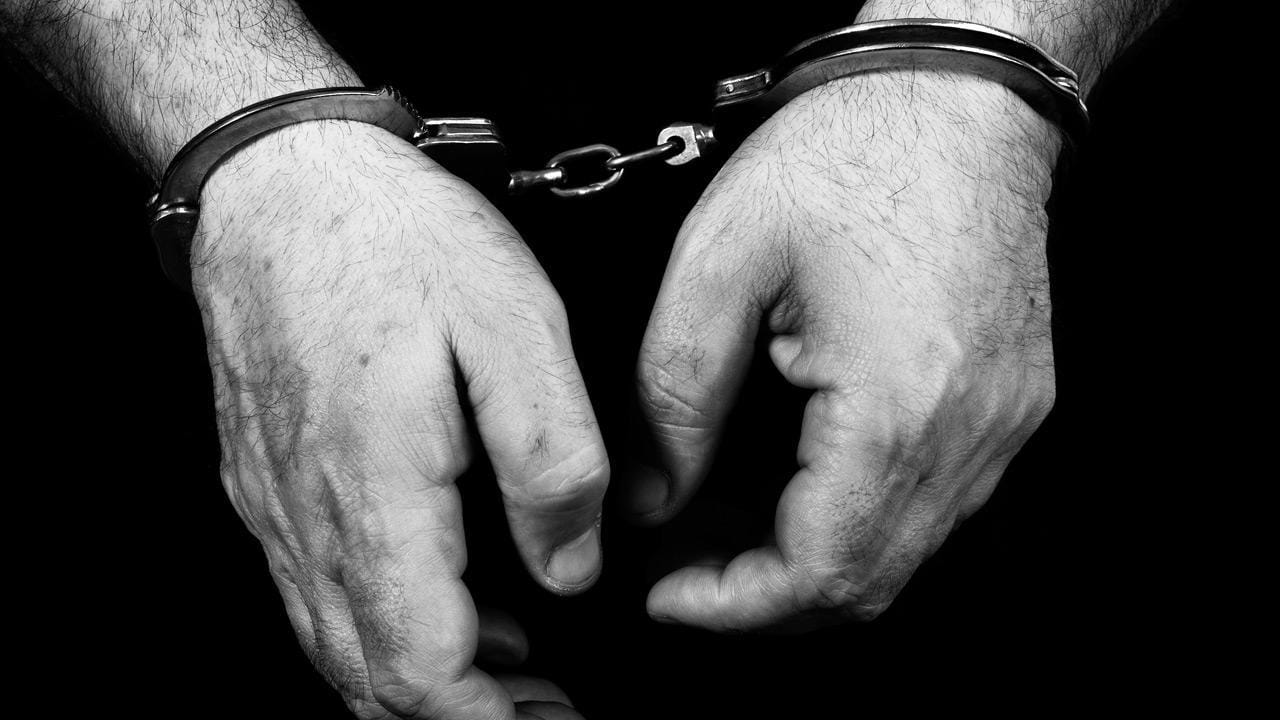
On August 14, 2025, the Nagpur Crime Branch arrested Himanshu alias Jordan Vaidya, aged 30, from Wathoda. Vaidya served as the arms supplier for the Hiranwar gang. Police linked him directly to the murder of café owner Avinash Bhusari, who was shot dead on April 14 in Gokulpeth by gang members who allegedly mistook him for a rival gangster. Investigations revealed that Vaidya procured three firearms and cartridges from Madhya Pradesh that were used in the crime. Authorities invoked the Maharashtra Control of Organised Crime Act, underscoring the gravity of the offence.
Investigation Exposes Organized Chain and Network Operations

Nagpur Crime Branch mapped the arms pipeline that fed the Hiranwar gang and then tied it to the April shooting of café owner Avinash Bhusari in Gokulpeth. Investigators say Himanshu Jordan Vaidya sourced at least three firearms and cartridges from suppliers in Madhya Pradesh before the weapons moved to Nagpur through intermediaries. The case file notes travel routes, phone contacts, and bank traces that link the supplier to core gang members who executed the hit. Officers detained Vaidya from Wathoda, conducted a medical examination, and produced him before the Sitabuldi division. This chain of custody, in the words of one officer, closes the loop between procurement and the murder weapon.
Parallel teams expanded the scope beyond a single supplier. Earlier arrests and a multi-state chase of key suspects to Bhopal, Kolkata, Visakhapatnam, Tirupati, and Gondia helped police reconstruct command and control across state lines. Those operations also surfaced another alleged gun runner named Shahid, who had fled to Greater Noida and who, according to investigators, arranged weapons through Rewa in Madhya Pradesh for the Hiranwar faction. The pattern shows a modular network that splits sourcing, storage, and execution across cities to blunt local policing pressure.
With these linkages in hand, Nagpur Police invoked the Maharashtra Control of Organised Crime Act and assigned the probe to the Assistant Commissioner of Police Crime. The MCOCA invocation allows for surveillance authorisations, longer custodial interrogation, and the use of intercepted communication as evidence, provided that procedures are strictly followed. The brief also records parallel charges under the Bharatiya Nyay Sanhita for organised crime activity. Together, these moves push the case from a single homicide to a structured crime prosecution.
Reducing Organised Crime Needs Systemic Strikes
Independent case studies in Maharashtra suggest that strong organised crime cases succeed when investigators pair field arrests with meticulous compliance with sanctions and evidence. A recent special court in Mumbai acquitted five accused in an extortion case with alleged links to the Dawood syndicate because the MCOCA sanction was defective and electronic records lacked proper certification. The court flagged gaps in approvals and contradictions in witness accounts. That outcome shows that aggressive arrests do not translate into convictions when paperwork and digital evidence chains fall short.
Other prosecutions underline the same lesson. Courts have previously allowed MCOCA in high-profile gang cases, yet they have also dropped MCOCA components in matters where the state could not prove a continuing unlawful activity or could not meet the Act’s procedural thresholds. Analysts who track organised crime law argue that exact compliance with approvals, interception logs, and ten-day disclosure of recorded material improves conviction odds far more than headline raids.
Applied to the Hiranwar dossier, these precedents point to a clear playbook. First, keep building the interstate arms trail with auditable records and certified digital extractions from phones and messaging apps. Second, secure every MCOCA approval at the correct rank and preserve all intercept logs for court disclosure. Third, use multi-city financial analysis to show a continuing unlawful activity rather than a one-off murder. Finally, maintain coordination with Madhya Pradesh counterparts so that supplier arrests and recoveries line up with ballistic reports and call detail records. When agencies follow these steps, the case advances from arrest to a durable conviction rather than stalling at the charge sheet.
Read more: ₹71 Lakh Illegal Liquor Seized in Panchmahal
Discover more from News Tap One
Subscribe to get the latest posts sent to your email.


One thought on “MCOCA Invoked As Arms Supplier Apprehended In Gang Murder”