
Uttarkashi Floods: Dharali Lives in a Calendar of Disasters, Not Seasons
Uttarkashi, Uttarakhand: In Dharali, a scenic village along Uttarakhand’s famed Char Dham route, floods have replaced festivals as markers of time. Every year, locals brace for the wrath of the Kheer Gad stream small most of the year, but monstrous during monsoons. With each flood, memories of past devastation return. Now, after the latest cloudburst, villagers once again face destruction, displacement, and despair.
Flash Flood Fury: What Happened
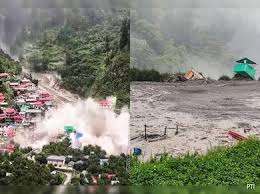
A sudden cloudburst over Srikanth Parvat triggered a violent surge in the Kheer Gad stream, sweeping through Dharali and nearby areas on Tuesday. People were seen running for their lives as the raging water tore through homes, shops, roads, and orchards.
The village, home to just over 500 residents, is no stranger to disaster but this time, the destruction was more immediate and terrifying.
A Village That Tracks Time by Tragedy
In Dharali, floods have become a grim ritual. Residents remember years by disasters:
2010: The school walls soaked
2012: A shop swallowed
2018: Orchards buried under house-sized boulders
Now, 2025 has been etched onto that tragic calendar.
“Flood isn’t a headline here. It’s a season,” remarked a local villager.
The Pattern of Destruction
Despite its beauty and spiritual importance, the terrain of Uttarkashi is fragile. Kheer Gad, though tiny on maps, becomes a force of nature when cloudbursts strike. Its short but steep descent ends in Dharali turning the village into a flood basin.
In past disasters, property and livelihood were lost, but lives were spared. This time, the danger escalated.
Disaster History Surrounding Dharali
Dharali has always sat in the shadow of regional disasters:
1978: Dam breach in Dabrani
1984: Cloudburst over Gyansu nala
2003: Varunavat landslide buried parts of Uttarkashi town
Each time, destruction circled Dharali without striking until now.
Ignored Warnings & Expert Insights
A 2013 report by Uttarakhand’s Disaster Mitigation and Management Centre had already flagged Dharali, Sukhi, and Jhala as high-risk flood zones.
Yet, tourism incentives led to continued construction near riverbeds, road widening, and slope cutting amplifying ecological vulnerability.
“The mountain doesn’t break in one night. It’s been cracking for years,” a Wadia Institute geologist warned.
Voices From the Ground
Lokendra Bisht, a local, recalled the 2018 flood vividly:
“No one died, but we dug furniture out of mud days later. That loss lingered more than the water.”
For Dharali’s people, floods aren’t just natural events they’re emotional scars that reopen with every storm.
Climate Crisis Connection
Scientists point to a dangerous trend: glacial retreat and shifting rainfall are making cloudbursts more frequent and flash floods more violent across the Himalayas.
Dharali’s story is no longer isolated it’s a warning of what unchecked development and climate change can unleash in fragile ecosystems.
Discover more from News Tap One
Subscribe to get the latest posts sent to your email.

