
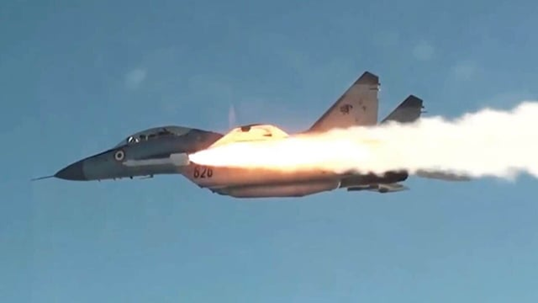
India Claims to Jam China-Made Air Defence System in Pakistan
India’s recent claim that its Air Force successfully jammed a China-made air defence system deployed in Pakistan has stirred significant debate in regional and global strategic circles. While the statement highlights India’s growing technological capabilities in electronic warfare (EW), it also raises questions about the effectiveness of Chinese defence exports and Pakistan’s military readiness. This article critically examines the claim from military, technological, and geopolitical perspectives.
India’s Electronic Warfare Capability
If the Indian Air Force did, in fact, jam a modern air defence system such as Pakistan’s HQ-9 or LY-80—both supplied by China—it would signify a major leap in India’s electronic warfare proficiency. These Chinese systems are believed to have counter-jamming features, and breaching their defences would require highly advanced EW tools, radar spoofing, and signal disruption techniques.
India has been steadily investing in its EW capabilities, with inputs from indigenous defence research as well as partnerships with countries like Israel and France. This incident, whether fully verified or not, could be used by India as a demonstration of strategic deterrence and a warning to adversaries.
Implications for Pakistan’s Defence Strategy
Pakistan’s military relies heavily on Chinese equipment across various domains, including aircraft, air defence systems, and surveillance technologies. If these systems are vulnerable to Indian countermeasures, it raises serious concerns about Pakistan’s battlefield readiness in a high-tech war environment.
The reported jamming also places pressure on Pakistan to either demand technical upgrades from China or seek diversified defence partners, potentially including Turkey or Middle Eastern suppliers, to reduce overdependence on a single source.
Impact on China’s Global Arms Reputation
China is one of the largest arms exporters globally, with a significant portion of its exports going to developing countries. If Indian claims hold merit, it could cast doubt on the operational resilience of Chinese-made systems, especially in conflict zones where advanced EW is in play.
This could affect China’s defence exports beyond South Asia and invite scrutiny from current and potential buyers.

Strategic and Diplomatic Significance
India’s disclosure of this alleged incident may also serve a psychological and diplomatic purpose. It sends a strategic message to both Pakistan and China: that India is capable of disrupting hostile military technology and protecting its airspace proactively.
At the same time, it aligns with India’s broader narrative of asserting regional dominance and showcasing self-reliant defence capabilities under the “Atmanirbhar Bharat” initiative.
Conclusion
While the actual details of the reported jamming incident remain undisclosed, the broader implications are significant. It touches upon military preparedness, technological resilience, and geopolitical signaling in a volatile region. Whether real or part of strategic messaging, such developments underscore the evolving nature of modern warfare—where information, technology, and perception are as critical as physical firepower.
Discover more from News Tap One
Subscribe to get the latest posts sent to your email.

