
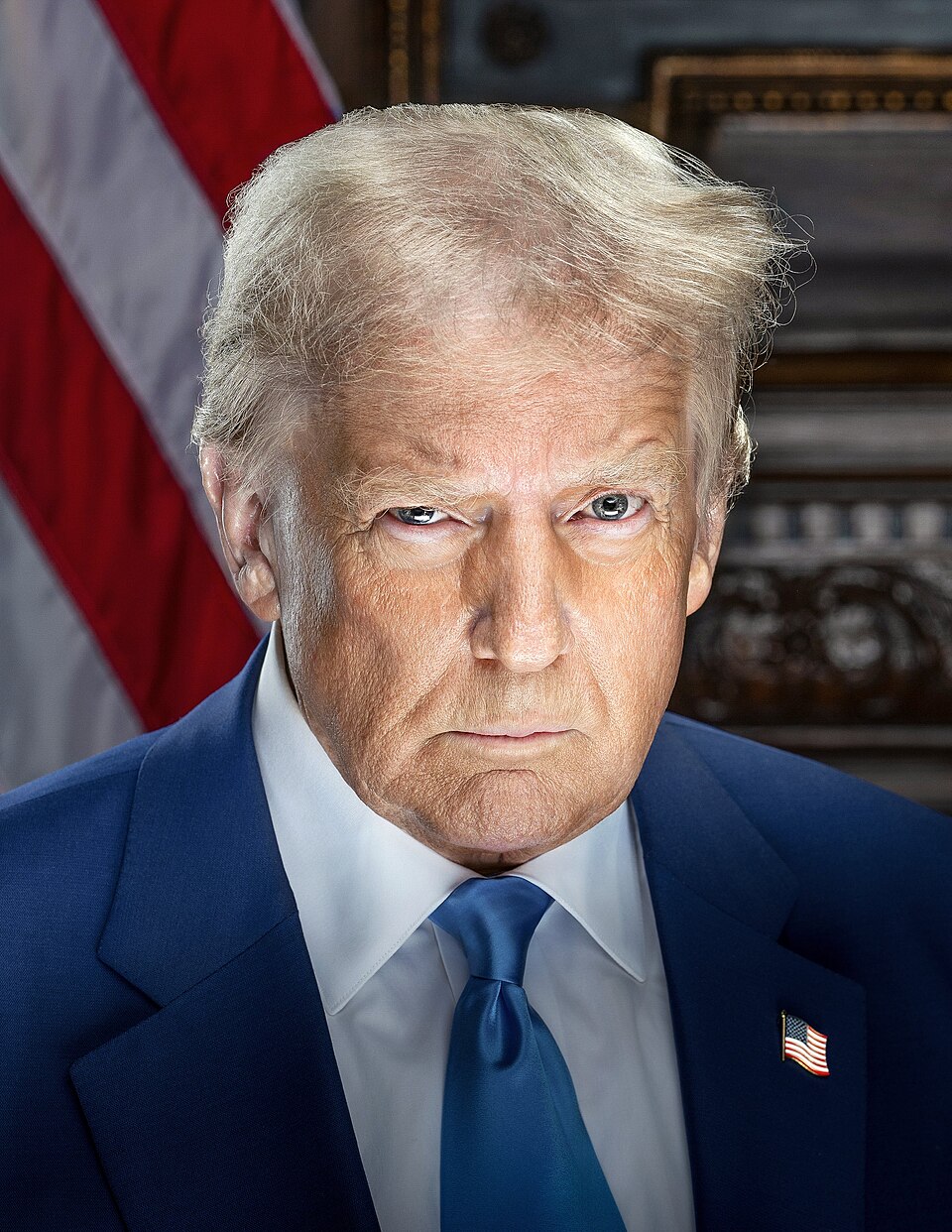
Trump’s First 100 Days: Record 140 Executive Orders, Mass Deportations, and Global Tariff Turmoil

On January 20, 2025, Donald Trump was sworn in as the 47th President of the United States, launching his second term, dubbed “Trump 2.0.” By April 30, his first 100 days in office concluded, marked by an unprecedented 140 executive orders—a sharp contrast to the 40 signed by Joe Biden in 2021, 33 in Trump’s first term, and 19 in Barack Obama’s second term. These orders reflected Trump’s campaign vows to deport undocumented immigrants, boost the economy, and restore America’s global dominance. However, his sweeping actions, from mass deportations to disruptive tariffs, have reshaped the nation while fueling inflation, global economic uncertainty, and unmet promises to resolve the Russia-Ukraine war and Gaza conflict. The impact of these 100 days has been felt not just in the U.S. but across countries like India, China, and beyond.
Trump’s most ambitious move was his pledge to launch the largest deportation operation in U.S. history, targeting an estimated 20 million undocumented immigrants. In just 100 days, 250,000 people, including 332 Indian nationals, were deported, a significant escalation from Biden’s annual average of 271,000 deportations in 2024. By declaring a national emergency at the southern border, Trump resumed border wall construction and expanded “expedited removal” nationwide, allowing deportations without court hearings for those unable to prove two years of residency. He also revoked Biden-era humanitarian parole programs for Cubans, Haitians, Nicaraguans, Venezuelans, and Ukrainians, stripping legal status from 530,000 people, and suspended Social Security benefits for undocumented immigrants. The results were striking: illegal border crossings dropped by 94%, with only 0.1% of attempts succeeding, and immigrant arrests surged by 627%. However, the scale of deportations lagged behind Biden’s monthly average of 57,000 in 2024, constrained by limited detention space and ICE funding. Stories of vulnerable individuals, like a 10-year-old U.S. citizen whose undocumented parents were detained, highlighted the human toll, while countries like Guatemala and Venezuela agreed to accept deportees, some even flown to Guantanamo Bay.
Economically, Trump’s “reciprocal tariff” policy aimed to protect American industries but sent global markets into a tailspin. On April 2, he imposed tariffs on 75 countries, only to suspend them (except for China) seven days later for 90 days after fears of a recession surfaced. The brief tariff rollout reduced production in Germany and Britain, cut South Korea’s exports by 5%, and hit Indian pharmaceutical exports, raising costs for generic drugs in the U.S. At home, Trump slashed corporate taxes from 21% to 15% and mandated port automation to boost efficiency, creating 228,000 new jobs. However, inflation soared, with gas prices up 4.3%, auto parts 6%, fruits and vegetables 4.8%, and housing costs 5.1%. His push for lower interest rates led to a rise to 4.25%, and imported goods prices jumped 7%. Through the “DOGE” initiative, Trump cut 50,000 federal jobs across 48 agencies, prompting 77,000 voluntary resignations and pushing unemployment to 4.2% by April. While job creation was a win, rising costs and layoffs eroded public support, contributing to Trump’s historically low approval rating.
Foreign policy under Trump leaned heavily on isolationism, with mixed results. He promised to end the Russia-Ukraine war within 24 hours but failed to deliver, initiating ceasefire talks with Russia without Ukraine’s consent and briefly halting military aid on March 4 before resuming it. The war persists, with no clear path to peace, and Trump considered revoking legal status for 240,000 Ukrainians in the U.S. In Gaza, rather than seeking peace, he expressed interest in occupation on March 20, fully backing Israel and deepening the humanitarian crisis as operations intensified in Rafah. Trump also withdrew the U.S. from the World Health Organization, weakening global health cooperation, and threatened to cut NATO funding, alarming European allies. His cancellation of 83% of USAID contracts eliminated 100,000 jobs in 100 countries, closing health clinics, while demands for control over the Panama Canal and Greenland strained diplomatic ties. These moves reduced U.S. global influence, creating uncertainty in international relations.
In education, Trump targeted universities, accusing them of promoting “woke” ideologies. He banned Diversity, Equity, and Inclusion (DEI) programs, demanded records of foreign funding, and halted $2.3 billion in funding to Harvard, prompting a lawsuit. Over 1,000 international students had their visas canceled, with hundreds deported, sparking protests from 200 universities over threats to academic autonomy. This clash added to the broader tension of Trump’s first 100 days, where bold promises often outpaced practical outcomes.

Compared to Biden, whose 100 days focused on COVID-19 recovery and climate action, Trump’s approach was more aggressive, prioritizing immigration enforcement and economic protectionism over global cooperation. Biden’s annual deportations outpaced Trump’s early pace, but Trump’s broader crackdowns, including on legal immigrants, set a different tone.
Looking ahead, Trump faces significant challenges. Legal battles over deportations and university policies are mounting, and logistical hurdles, like ICE’s 41,500-bed detention capacity, may cap his deportation goals. Globally, his tariffs and foreign policy shifts risk alienating allies and destabilizing markets. His team is already planning more executive actions, including cash incentives for self-deportation and new trade deals, but public unease over rising costs and unfulfilled promises looms large. With a low approval rating and a divided nation, Trump’s next 100 days will test his ability to balance bold rhetoric with effective governance. The world, from Washington to New Delhi, watches closely as Trump 2.0 unfolds.
Discover more from News Tap One
Subscribe to get the latest posts sent to your email.

