
MOST POLARISED STATE’: SUPREME COURT FUMES AFTER JUDICIAL OFFICERS HELD HOSTAGE IN BENGAL

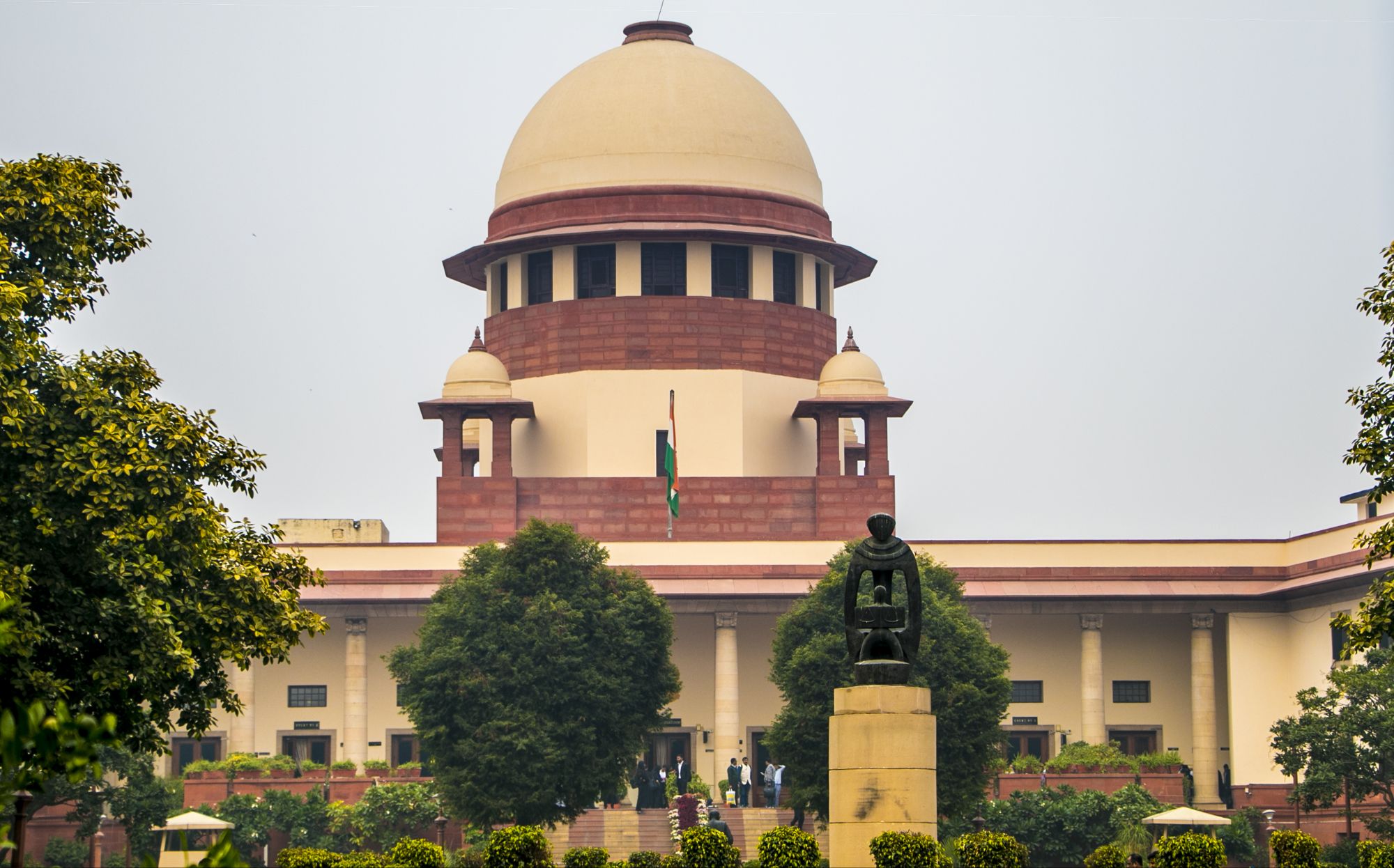
The Supreme Court of India expressed strong frustration on Thursday, April 2, 2026. It called West Bengal the “most politically polarized state” it has ever seen. The bench, led by Chief Justice of India (CJI) Surya Kant, took note of a serious incident in Malda’s Kaliachak. There, a mob held seven judicial officers, including three women, hostage for over nine hours. The officers were in the area for the Special Intensive Revision (SIR) of electoral rolls. This process aims to correct errors in voter lists before the 2026 Assembly elections.
The crisis started on the afternoon of Wednesday, April 1. A group of voters, whose names had been flagged for removal, surrounded the officers. The standoff lasted until 1:00 AM Thursday, leading to a large police and paramilitary response to rescue them. While the officers were being evacuated, their vehicles were attacked with stones and bamboo sticks. CJI Surya Kant stayed up until 2:00 AM to oversee the situation. He criticized the state administration for its slow response, noting that senior officials took hours to act despite knowing the danger.
In a strong criticism of the state’s political climate, the CJI said, “Unfortunately, in your state, everyone speaks in political language. Even in following court orders, politics is reflected.” The Court viewed the hostage situation as a “calculated attempt” to demoralize the judiciary and stall the SIR process. Consequently, the bench issued show-cause notices to West Bengal’s Chief Secretary, Home Secretary, and DGP, asking them to explain why they did not protect neutral judicial officers. The Court also instructed the Election Commission of India (ECI) to request more central forces to protect judicial officers and their families.
The legal implications are likely to increase, as the Supreme Court has directed the ECI to transfer the investigation of the Malda incident to an independent agency, such as the CBI or NIA, to ensure the inquiry is not influenced by the state. Senior Advocate Kapil Sibal, representing the West Bengal government, sought to remove the phrase “complete breakdown of constitutional machinery” from the court’s remarks, but the bench stood firm. With the next hearing set for April 6, this incident has made “Judicial Safety” an important concern in the already tense buildup to the April 23 elections.
By Anupama Shaw
Discover more from News Tap One
Subscribe to get the latest posts sent to your email.

