
Cabinet Approves Three Major Multi-Tracking Railway Projects Worth Rupees 18,509 Crore
The Union Cabinet approved three railway multi-tracking projects worth rupees 18,509 crore to boost capacity, connectivity and freight efficiency across four states.

In a major boost to India’s rail infrastructure, the Cabinet Committee on Economic Affairs (CCEA), headed by Prime Minister Narendra Modi, has approved three key multi-tracking railway projects with a combined investment of approximately rupees 18,509 crore. The decision aims to enhance capacity, improve operational efficiency, and strengthen connectivity across four states.
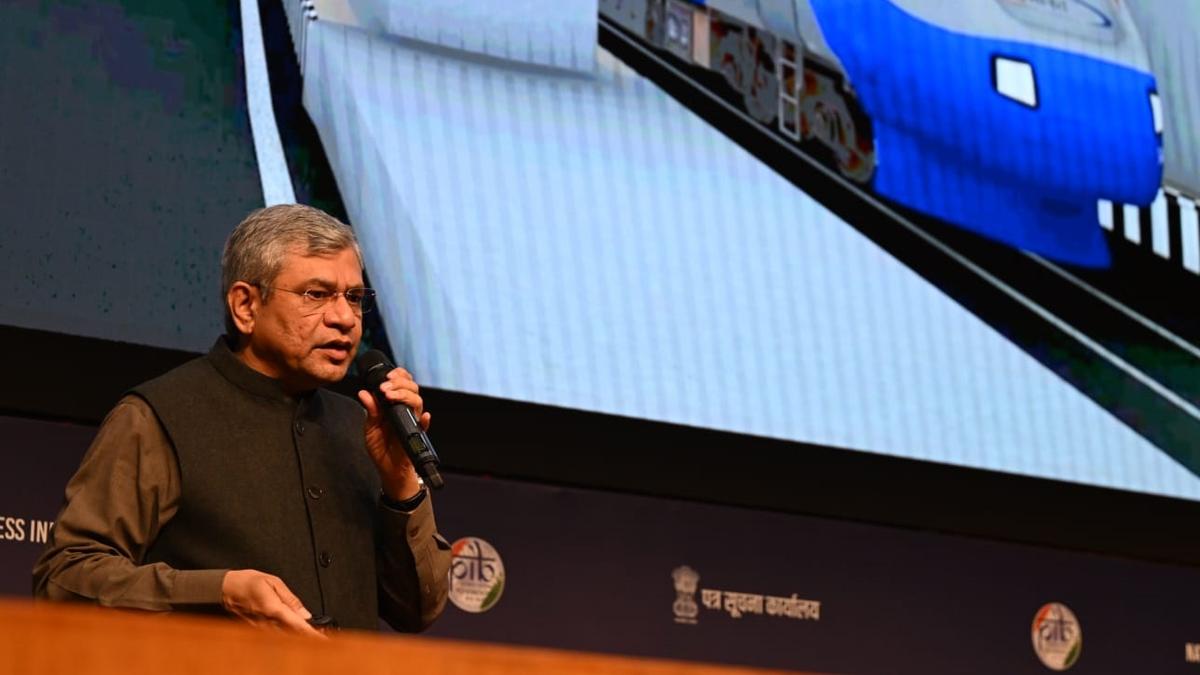
Union Minister for Railways and Communications Aswini Vaishnaw announced the approvals, which are part of the government’s ongoing efforts to modernize the rail network under the PM – Gati Shakti National Master Plan – a framework designed to integrate transport networks with multi-modal connectivity and boost logistics efficiency.
Project Scope and Strategic Focus
The three projects involve laying additional tracks – primarily third and fourth lines – on crucial rail corridors experiencing high passenger and freight traffic:
- Kasara-Manmad third & fourth line
- Delhi-Ambala third & fourth line
- Ballari-Hosapete third & fourth line
These upgrades will expand the existing network by nearly 389 km and improve connectivity in the states of Delhi, Haryana, Maharashtra and Karnataka.
The project on the Delhi-Ambala route, spanning approximately 194 km, has been described as strategically important for both passenger traffic and troop movement along the northern corridor toward Jammu and Kashmir.
Benefits for Connectivity, Economy and Climate
According to the official statement from the goverment:
- The multi-tracking works will significantly decongest busy railway corridors, enabling more trains to run efficiently with reduced delays and improved punctuality.
- The projects are expected to benefit an estimated 3902 villages, covering a population of nearly 97 lakh people, by providing better access to rail transport for daily commuters and freight movement.
- Enhanced freight handling capacity is anticipated, with projected additional traffic of 96 million tonnes per annum, spanning key commodities like coal, steel, fertilisers, containers and food grains.
- Railways’ expansion supports the government’s climate goals by being a more energy-efficient and environment-friendly mode of transport, helping reduce logistics costs, cut oil imports by about 22 crore litres and lower carbon dioxide emissions by 111 crore kilograms – the equivalent of planting roughly 4 crore trees.
Tourism and Regional Impact
Officials highlighted that the projects will enhance connectivity to several important tourist and pilgrimage destinations, such as:
- Trimbakeshwar Jyotirlinga
- Shri Mata Vaishno Devi in Katra
- UNESCO World Heritage Site Hampi
- Ballari Fort and Daroji Sloth Bear Sanctuary
- Tungabhadra Dam and Vijaya Vittala Temple
Better rail access is expected to boost tourism and local economies in these regions.
Part of a Broader Infrastructure Push
The approvals form part of a larger infrastructure agenda by the government, which recently sanctioned urban development funds, major bridge projects and extensions for metro rail networks in the same Cabinet meeting.
Transport analysts say these multi-tracking enhancements will not only ease congestion on some of the country’s busiest corridors but also provide the backbone for future expansions, including increased high-speed and freight-centric railway services.
Discover more from News Tap One
Subscribe to get the latest posts sent to your email.

