
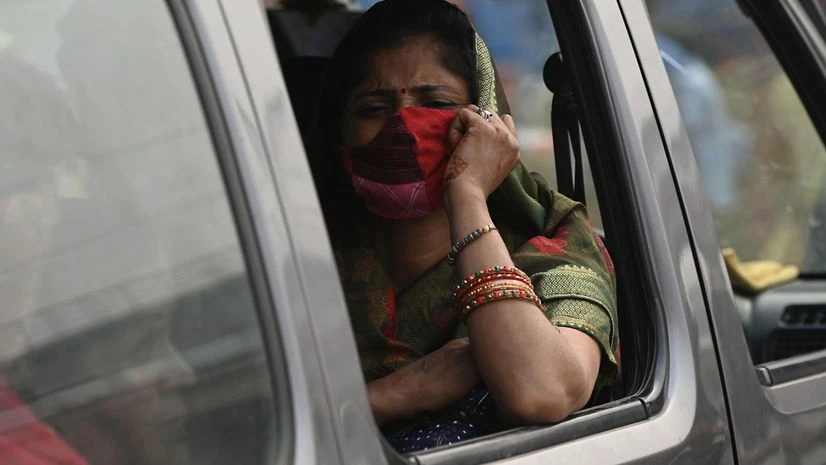
Air Pollution Cuts Average Indian Life by 3.5 Years: EPIC Report
India:
Key Findings
- Air quality in India is critical: All 1.4 billion Indians live in areas exceeding WHO PM2.5 guidelines.
- Life expectancy impact: Reducing PM2.5 and PM10 to WHO standards could add 3.5 years on average to life expectancy nationwide.
Regional burden:
- Northern Plains: 544.4 million people could gain 5 years if WHO guidelines are met.
- Delhi residents could see the largest gain of 8.2 years.
- Other high-burden states: Rajasthan (+3.3 years), Madhya Pradesh (+3.1 years), Maharashtra (+2.8 years).
Standards & Current Levels
- WHO guideline: PM2.5 ≤ 5 µg/m³, PM10 ≤ 15 µg/m³
- India’s national standard: PM2.5 ≤ 40 µg/m³, PM10 ≤ 60 µg/m³
- 2023 levels were higher than 2022, exceeding WHO limits 8x.
National Initiatives
National Clean Air Programme (NCAP) launched in 2019 with 2017 baseline, aiming to reduce pollution by 20–30% by 2024, later revised to 40% by 2026 in 131 non-attainment cities.
Achieved 10.7% reduction by 2023, adding 6 months to life expectancy for 445.5 million residents.
Implications
Stronger enforcement of air quality standards could significantly extend lifespans and reduce health burdens.
Delhi and Northern Plains remain priority regions for policy intervention.
Discover more from News Tap One
Subscribe to get the latest posts sent to your email.

