
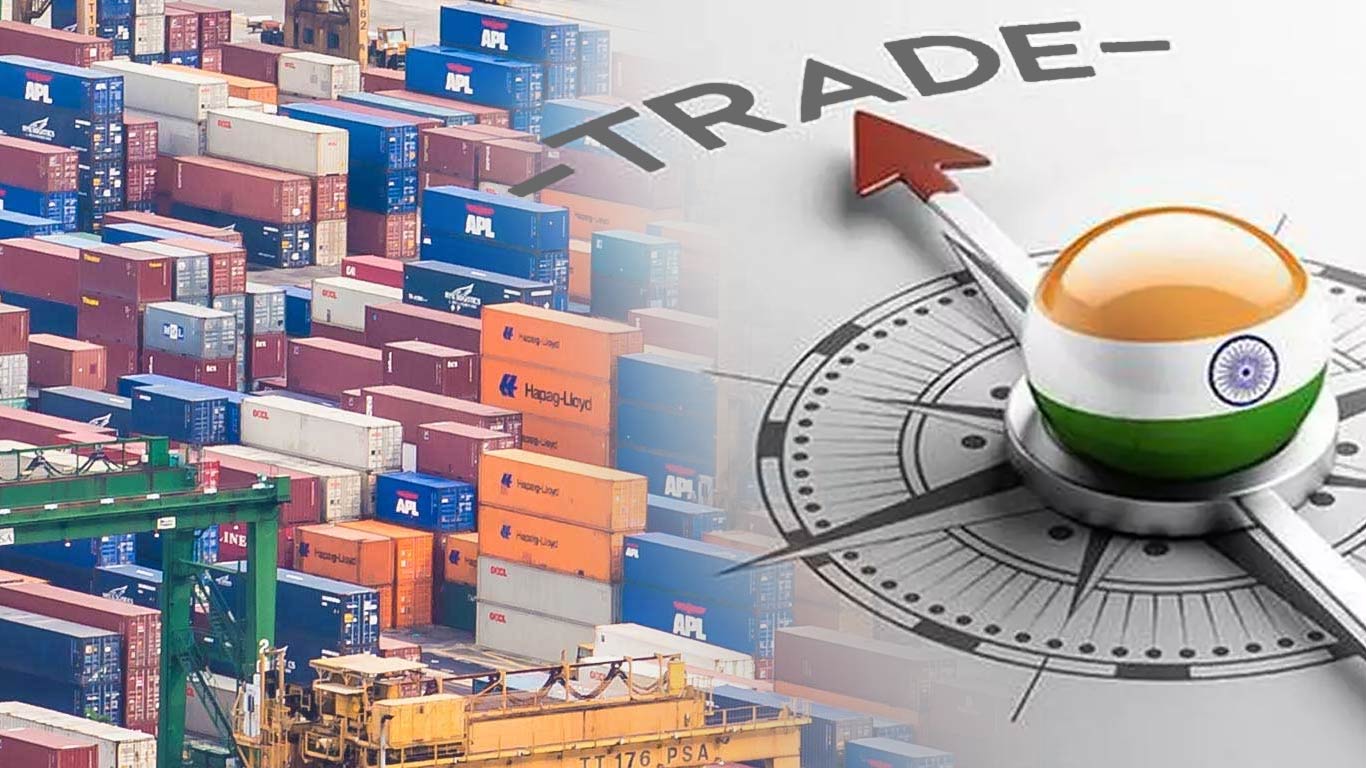
Turning Crisis into Catalyst: India Must Reclaim Its Trade Sovereignty
Submitted By: Vishwajeet Pratap Singh

In a world increasingly driven by nationalist economic agendas, trade has become less about exchange and more about power. The latest salvo in this geopolitical game is the United States’ decision, under former President Donald Trump’s revived influence, to reimpose up to 25% tariffs on certain Chinese, Indian, and other global imports, citing “strategic imbalance” and “protection of domestic industries.”
While this may seem like a regional trade skirmish, its ripple effects directly question India’s economic sovereignty and independence in global negotiations. The U.S., at this moment, is not just protecting its borders, it is subtly trying to dictate terms to economies like India, compelling them to adjust, realign, and re-serve U.S. interests. But here lies the opportunity: India must not be reactive even if it must be inventive.
The Problem: Tariffs or Tactics?
While the tariff sounds like a tax, its symbolism runs deeper. The U.S. has long pressured India on e-commerce regulations, data localization, pharmaceutical exports, solar panel subsidies, and even oil imports from Iran and Russia. Each time, the demand is the same: follow American interests even if they collide with our national goals.
In essence, this isn’t just a tariff, it’s a test. A test of whether India will bend or build. A test of whether India’s sovereignty in trade and diplomacy is real or rhetorical.
Turning Tariffs into Triggers
We must see this tariff not as a barrier but as a blessing in disguise, an economic shock that pushes us out of comfort and towards strategic reinvention. Here’s how.
- Boost to Make in India: The American tariff wall provides the perfect excuse to redirect global supply chains. Multinational corporations seeking China alternatives can now be drawn into India’s fold. The government should aggressively incentivize local manufacturing not just as an export engine, but as a geopolitical counter-strategy. Let this moment be when “Make in India” stops being a slogan and becomes a sovereign weapon.
- Time to Find New Markets: The Indian exporter can no longer be U.S.-dependent. This is a wake-up call to diversify. Africa, Latin America, and Eastern Europe hold immense untapped potential. Our exporters must invest in newer logistics routes, forge bilateral deals, and digitally localize their presence across new geographies. Just as shopkeepers hike prices post-GST to adjust to new rules, exporters must recalibrate pricing and positioning, not panic.
- India Must Play the Price Game: Let’s take a cue from our own markets. When taxes rise or rules change, our local retailers adjust: “Sir, GST lag gaya, rate badh gaya.” India Inc. must do the same. Strategically ad product pricing, negotiate on bulk, and co-brand with local partners abroad. Instead of waiting for government subsidies, let this be a moment where Indian exporters become strategists, not just suppliers.
Strategic Sovereignty is Not Optional
This tariff episode is a sharp reminder that economic sovereignty isn’t just about self-sufficiency it’s about self-direction. If the U.S. can unilaterally raise duties, India must unilaterally raise ambition. The idea that we should adjust our trade practices every time America flinches must be resisted.
India’s policymakers must make it clear that we are not a reactionary economy, we are a reformatory one. Our voice in WTO, our negotiation in G20, and our stance on strategic trade agreements must reflect this confidence.
The Real Message? This is not about a 25% tariff. It’s about how India responds.
Do we kneel, or do we negotiate?
Do we shrink, or do we scale?
Every crisis is an invitation. And in this case, it’s an invitation to break our dependencies, assert our autonomy, and build an economy that does not flinch when others flex.
“The world trades in influence before it trades in goods.” India has influence. Let’s start using it not just in speeches, but in strategies.
Discover more from News Tap One
Subscribe to get the latest posts sent to your email.

