
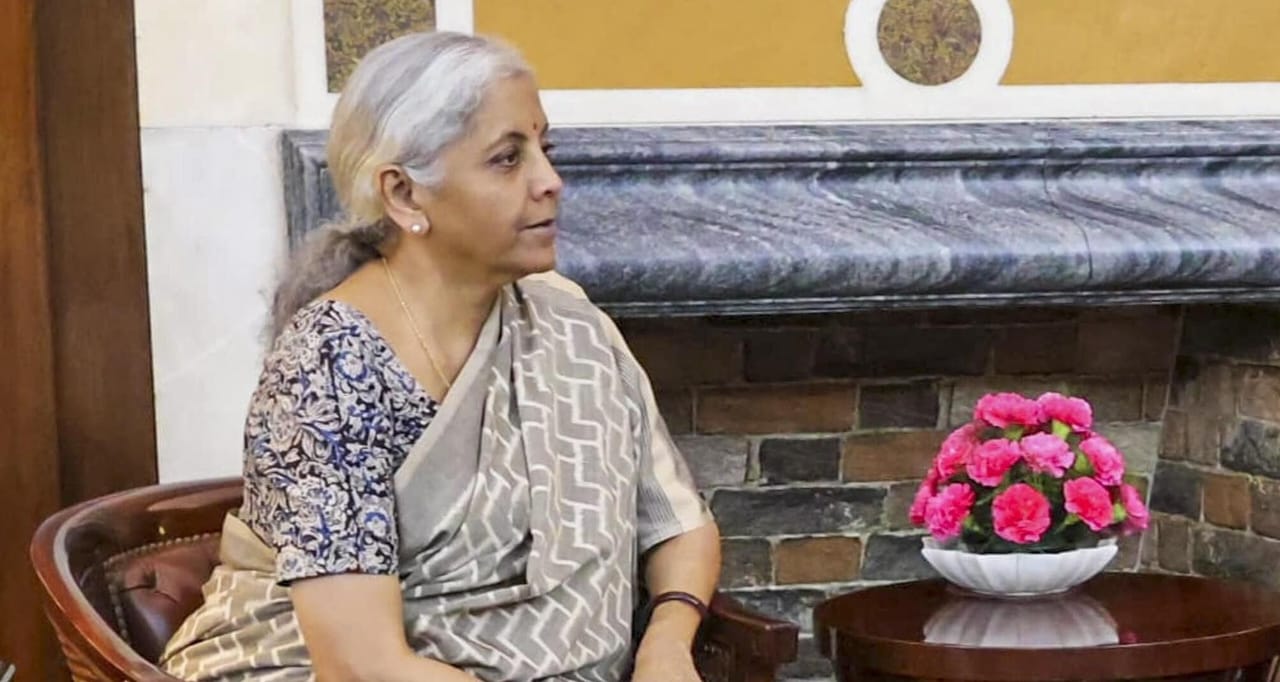
Big Trade Pact: India Pushes for Stronger U.S. Economic Ties.
July 30, 2025 | New Delhi, India
India Seeks Big Trade Pact with the U.S.
India has initiated serious discussions to establish a big trade pact with the United States.
Finance Minister Nirmala Sitharaman confirmed this during her recent briefing in New Delhi.
She described the potential agreement as a “big, beautiful trade deal” aimed at mutual economic benefit.

According to Sitharaman, India remains open to cooperation but will maintain key sector protections.
She stated that agriculture and dairy are critical for domestic livelihoods and must remain shielded.
While welcoming foreign investments, she made it clear that national priorities cannot be compromised.
Big Trade Pact Supports Economic Vision
India’s push for a big trade pact aligns with its long-term economic strategy.
Government data shows India-U.S. trade grew 14% last year, reaching over $200 billion in value.
Officials hope to double this figure by 2030 with structured market access and tariff reform.
The government may consider reducing tariffs on certain U.S. items like almonds and semiconductors.
In return, India expects fair treatment for its pharmaceuticals, textiles, and services exports.
Though sensitive, these negotiations reflect India’s readiness to modernize its trade outlook.
Key Reforms Underpin the Trade Negotiations
The proposed big trade pact fits into India’s ongoing economic reform journey.
GST simplification, banking sector clean-up, and startup policies have created a reform-friendly environment.
India also recently eased norms for foreign direct investment in sectors such as defence and retail.
These domestic reforms make India a more reliable and attractive global partner.
Officials believe that signing bilateral trade agreements will fast-track India’s $5 trillion economy goal.
Further, India’s talks with the EU, UK, and Australia show a clear intention to diversify trade routes.
Talks Face Time Pressure and Strategic Challenges
Negotiations for the big trade pact must progress quickly to meet tight diplomatic deadlines.
U.S. tariff reviews on key Indian exports are scheduled for early July, adding pressure on both sides.
Failure to reach agreement could lead to retaliatory duties and disrupt supply chains.
Despite the challenges, both governments remain optimistic about finding middle ground.
A high-level Indian delegation will visit Washington this month to finalize crucial points.
Officials stress that domestic industry interests will not be sacrificed in the pursuit of a deal.
Domestic Industry Voices Caution
India’s local manufacturers, farmers, and MSMEs are watching these developments closely.
Industry leaders worry that liberal trade policies might hurt small-scale businesses.
To address these fears, the government is organizing consultations with stakeholders.
Every tariff concession will be carefully evaluated to ensure fair competition.
Experts believe a well-negotiated pact could unlock foreign capital and create skilled jobs.
However, failure to protect critical sectors may create lasting damage in rural economies.
India Balances Diplomacy with Domestic Interests
India remains fully committed to securing a big trade pact with the United States.
While strengthening diplomatic ties, it also intends to preserve internal economic resilience.
Strategic foresight, detailed negotiation, and stakeholder involvement will guide the final framework.
A successful agreement could redefine India’s global trade identity and accelerate economic growth.
However, every clause must reflect India’s core development goals, sectoral priorities, and sovereign control.
Read more : F-35B Emergency Landing: UK Jet Grounds in Kerala Amid Technical Crisis.
Discover more from News Tap One
Subscribe to get the latest posts sent to your email.
