
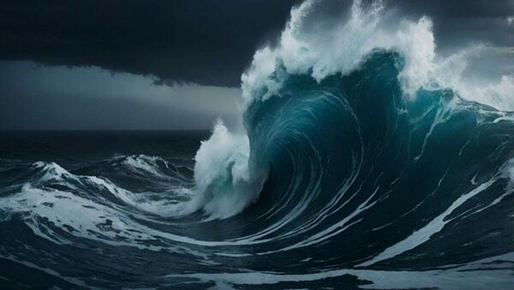
Potential Mega-Tsunami Threat to Three U.S. States: A Critical Look
Recent warnings by scientists about a possible mega-tsunami threatening the U.S. West Coast—particularly California, Oregon, and Washington—have reignited public concern and media attention. While the concept of a massive wave devastating coastal cities is alarming, it is essential to evaluate the scientific basis, media portrayal, emergency preparedness, and long-term policy implications of such a threat.
Understanding the Science Behind the Threat
The fear of a mega-tsunami typically stems from the geological instability in certain regions, especially the Cascadia Seduction Zone off the Pacific Northwest coast. This zone, where tectonic plates collide, has the potential to produce powerful earthquakes, which in turn could trigger a massive tsunami. Another often-cited scenario involves the collapse of part of the Cumbre Vieja volcano in the Canary Islands, which could send large waves across the Atlantic toward the U.S.
However, while these events are theoretically possible, the probability of their occurrence in the near future is extremely low. Most scientific models are based on historical and geological patterns rather than exact forecasts. The challenge lies in balancing the need to warn the public with the responsibility not to cause unnecessary panic.
The Role of Media in Shaping Public Perception
Media coverage of such warnings often leans toward dramatic headlines, such as “Mega-Tsunami Could Destroy U.S. Coast.” While this attracts attention, it risks misleading the public by exaggerating the immediacy or likelihood of the threat. Sensationalism can lead to public fear or, worse, a loss of trust in scientific institutions when predictions fail to materialize.
Responsible journalism must strive to convey both the risk and the uncertainty involved. Scientists and the media must work together to educate rather than alarm, providing clear, evidence-based information with practical advice.
Are Coastal States Prepared?
One of the most pressing questions is whether the U.S. is prepared for such a disaster. While improvements have been made in tsunami detection systems and public warning protocols, much remains to be done. Urban development in vulnerable coastal areas continues, and many communities lack proper evacuation routes and disaster management training.
Preparedness is not just a technical issue; it also involves social equity. Marginalized and economically disadvantaged communities are often the least equipped to respond to and recover from disasters, exposing deep-rooted inequalities in emergency planning.

Environmental and Policy Implications
The mega-tsunami warning also brings to light broader concerns about human settlement in high-risk zones. Climate change, rising sea levels, and increasing population density along coastlines heighten vulnerability. Policymakers must take these factors into account when designing urban plans, infrastructure projects, and climate adaptation strategies.
Long-term planning must integrate scientific risk assessments into zoning laws and development policies, ensuring that short-term economic interests do not override public safety.
Conclusion: Informed Vigilance Is Key
While the potential for a mega-tsunami is scientifically plausible, the likelihood remains low. Instead of succumbing to fear or ignoring the risk altogether, a balanced, informed approach is necessary. Investment in public education, disaster readiness, and sustainable development will ensure that communities are better prepared—not just for a tsunami, but for the full range of environmental threats in an era of global uncertainty.
Discover more from News Tap One
Subscribe to get the latest posts sent to your email.
