
Earthquake Strikes Tibet: An Analysis of Impact and Implications
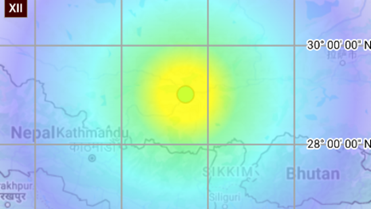
On May 12, a 5.7 magnitude earthquake struck Tibet, causing significant concern both regionally and globally. While the earthquake’s magnitude is considered moderate, its implications are far-reaching, considering the geographical, social, and political context of the region.
Geographical and Seismic Context
Tibet, located at the intersection of the Indian, Eurasian, and Tibetan tectonic plates, is known for its seismic activity. The collision of the Indian and Eurasian plates causes frequent earthquakes, with the Himalayan Fault being a key source of tremors. A magnitude of 5.7, while not the strongest, can still cause substantial damage, especially in rural, mountainous areas with less resilient infrastructure.
Human and Infrastructure Impact
- Casualties and Injuries: Though not as powerful as larger earthquakes, a 5.7 magnitude quake can still lead to casualties, particularly in densely populated areas or older structures that do not meet modern seismic standards. Given Tibet’s rural population, the lack of earthquake-resistant buildings could lead to significant damage.
- Damage to Infrastructure: Tibet’s infrastructure, particularly in remote mountainous areas, is vulnerable to natural disasters. Roads, bridges, and communication networks may suffer extensive damage, slowing down rescue and relief operations. The region’s limited access to resources further complicates recovery efforts.
- Landslides and Avalanches: Earthquakes in mountainous regions often trigger landslides and avalanches, which can devastate communities, destroy homes, and block vital routes. Tibet’s rugged terrain increases the risk of such secondary disasters, which can prolong the recovery process.
Environmental and Economic Effects
- Ecological Impact: Earthquakes can disrupt natural watercourses, potentially affecting agriculture and water supply. Tibet’s delicate ecological system may suffer long-term damage, especially if the quake leads to soil erosion or the destruction of vital ecosystems.
- Economic Disruption: Tibet is crucial for China’s economic plans, including hydropower projects and mineral extraction. Any damage to infrastructure, energy plants, or transportation systems could disrupt these initiatives. Additionally, tourism, a growing sector in Tibet, could also experience a setback if cultural sites or transport links are affected.

Socio-Political Implications
Tibet’s political and ethnic context adds another layer of complexity to this earthquake. The region’s political sensitivity, with tensions surrounding Tibet’s autonomy, may shape the perception of the government’s response to the disaster. The speed and efficiency of rescue operations will be closely scrutinized, both within China and internationally.
Moreover, the disaster could further fuel debates about the Tibetan people’s rights and representation in the face of Chinese control. How the government handles relief efforts may influence both local and global perceptions of Tibet’s political status.
Conclusion
While the 5.7 magnitude earthquake in Tibet may not be catastrophic on a global scale, its localized effects are significant. The region’s seismic activity, combined with its challenging terrain and infrastructure, makes Tibet highly vulnerable to such natural disasters. Effective government response and international attention will be crucial in minimizing the impact and aiding recovery.
Discover more from News Tap One
Subscribe to get the latest posts sent to your email.

