It’s not just about being uncomfortable—it’s about safeguarding lives
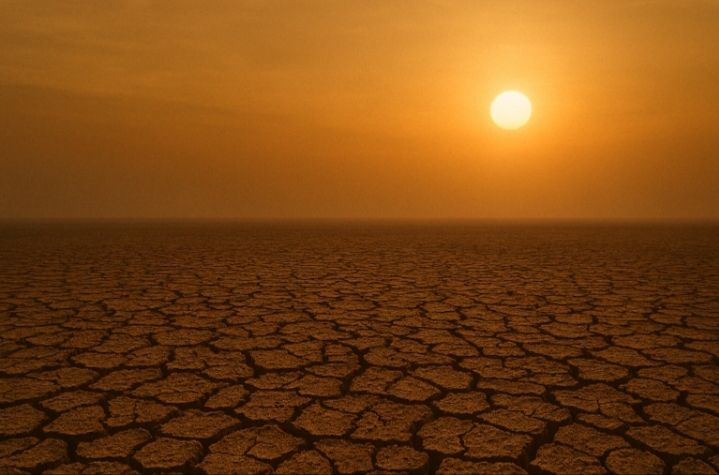
Scorched earth under the blazing sun — a stark reminder of the extreme heatwave gripping India in 2025.
The current heatwave across many regions of India is a major concern, impacting health, agriculture, and daily life. Extremely high temperatures can lead to heatstroke, dehydration, and other heat-related illnesses. Furthermore, the heatwave can disrupt farming, potentially leading to lower harvests and water shortages.
When the mercury rises above normal, it’s more than just sweaty afternoons. People, especially the elderly, children, and outdoor workers, are at risk of heatstroke, dehydration, and other heat-related illnesses. Hospitals in several states are already reporting a spike in cases related to heat exhaustion. Staying hydrated, avoiding direct sunlight during peak hours, and recognizing early signs of heat illness have become essential daily precautions.
Farming Under Pressure: Crops Struggle to Survive
Agriculture, the backbone of rural India, is also under stress. Excessive heat dries up the soil, increases water evaporation, and puts crops at risk of failure. Farmers are facing difficulty in irrigating their fields, and in some areas, the scorching heat has already damaged standing crops. If the heatwave continues, the harvest could drop. Food shortages may occur, especially in regions heavily reliant on monsoon-timed farming.
Daily Life Disrupted: Power Cuts and Water Woes
Urban and rural communities alike are feeling the pinch. As electricity demand spikes due to widespread use of fans and air conditioners, many areas are facing power cuts. Water shortages are becoming more frequent, with some regions already struggling to maintain supply. Daily routines are being reshaped, with schools adjusting timings and many people choosing to stay indoors as much as possible.
What Can Be Done?
While immediate steps like staying cool, hydrated, and alert can help individuals cope, the bigger picture calls for long-term planning. Urban planning, better water management, and climate-resilient farming techniques are crucial. As heatwaves become more common due to climate change, India needs to adapt quickly. It must also prepare communities to withstand these extremes.
Final Thoughts
The current heatwave is a stark reminder of how vulnerable we are to nature’s extremes. It’s not just about being uncomfortable—it’s about safeguarding lives, livelihoods, and our environment. Awareness, preparedness, and action are key to beating the heat.
With Durga Puja approaching, Kolkata’s food-safety checks have intensified, and the latest inspection at Bowbazar’s well-known Paneer Patti has raised...
Kolkata is beginning the last day of August under a distinctly unsettled monsoon regime, with rain-bearing clouds continuing to dominate the city’s skyline and intermittent showers likely to punctuate the day. The India Meteorological Department’s latest Kolkata-Alipore forecast indicates a generally cloudy day with spells of rain or thundershowers, while thunderstorms accompanied by lightning and […]