
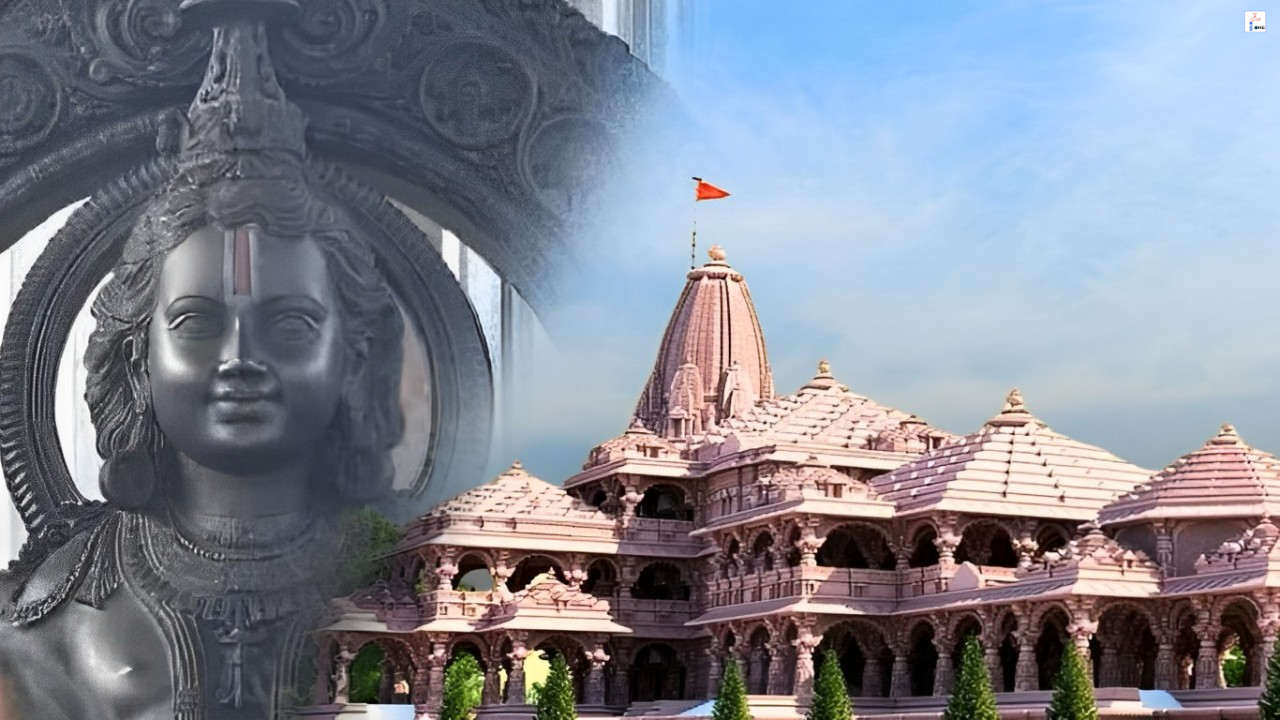
Righting Historic Wrongs: Ram Mandir Rises Again

In 2019, the Supreme Court finally brought closure to the deeply emotive 500-year-old Ram Janmabhoomi-Babri Masjid land dispute in Ayodhya. Their exhaustive 929-page judgement stated unequivocally that the decision was based on hard evidence, not religious faith or belief. As the unnamed judge affirmed, extensive archaeological and oral testimony proved the case with secular rigor.
The evidence in question, which raises the question of why it remained buried for such an extended period, brings to light a significant historical inquiry. Back in 1975, the Archaeological Survey of India (ASI) initiated excavations in Ayodhya under the leadership of the pioneering B.B. Lal. This nationally significant project, authorized by the government, was specifically aimed at uncovering the truth surrounding the sacred Ramayana sites, including the revered city of Ayodhya. The depth of this investigation and its implications underscore the enduring importance of historical and archaeological exploration in unraveling the mysteries of ancient civilizations.
Shockingly, the full ASI report would never see light of day. Its explosive findings of temple remnants predating the Babri Masjid were suppressed from public knowledge. For who knows what political calculations, the truth was forcibly muted. But it could not be silenced forever. Lal would later defiantly publish images of pillars and walls from a temple below the mosque. Still, one shudders at how the evidence was kept hidden for decades. The censorship represents a blight on the integrity of our secular state.
What unearthed truths would shake the very foundation of the case? Apart from the archaeological record dating the Hindu temple, consider Ayodhya itself. Overwhelmingly its character and history are intertwined with Hindu religion and culture. Census figures confirm this beyond doubt – 93% of residents are Hindu, while Muslims comprise just 6%.
How can reclaiming this sacred Hindu space, wrongfully seized centuries ago, be labeled an injustice favoring the majority? Would righting this historic wrong not showcase India’s pluralism in letting faiths practice freely?
Some have argued that allowing poojas in the 1980s prejudiced the court. But the Ram Janmabhoomi movement did not itself determine the verdict – the suppressed evidence had already sealed the mosque’s fate. In their hearts, did the Congress politicians also know the truth when they opened locks, even as they pandered to Hindu sentiment?
Their party now claims ignorance, but can hardly feign innocence. While disavowing Ayodhya, they proudly take credit for Shah Bano’s case. More shamefully, their leader Rajiv Gandhi pretended not to know of the plan, as confirmed by Mani Shankar Aiyar. Their opportunism and duplicity is laid bare.
In this age of cynicism and polarization, we must see through false rhetoric. Allegations of majoritarian communalism were concocted to obfuscate what the earth itself revealed. The Ram Mandir fulfills an ancient longing. It uplifts the dignity of a people wronged by history. However delayed, truth and justice can prevail in this, our pluralistic India.
Discover more from News Tap One
Subscribe to get the latest posts sent to your email.

