
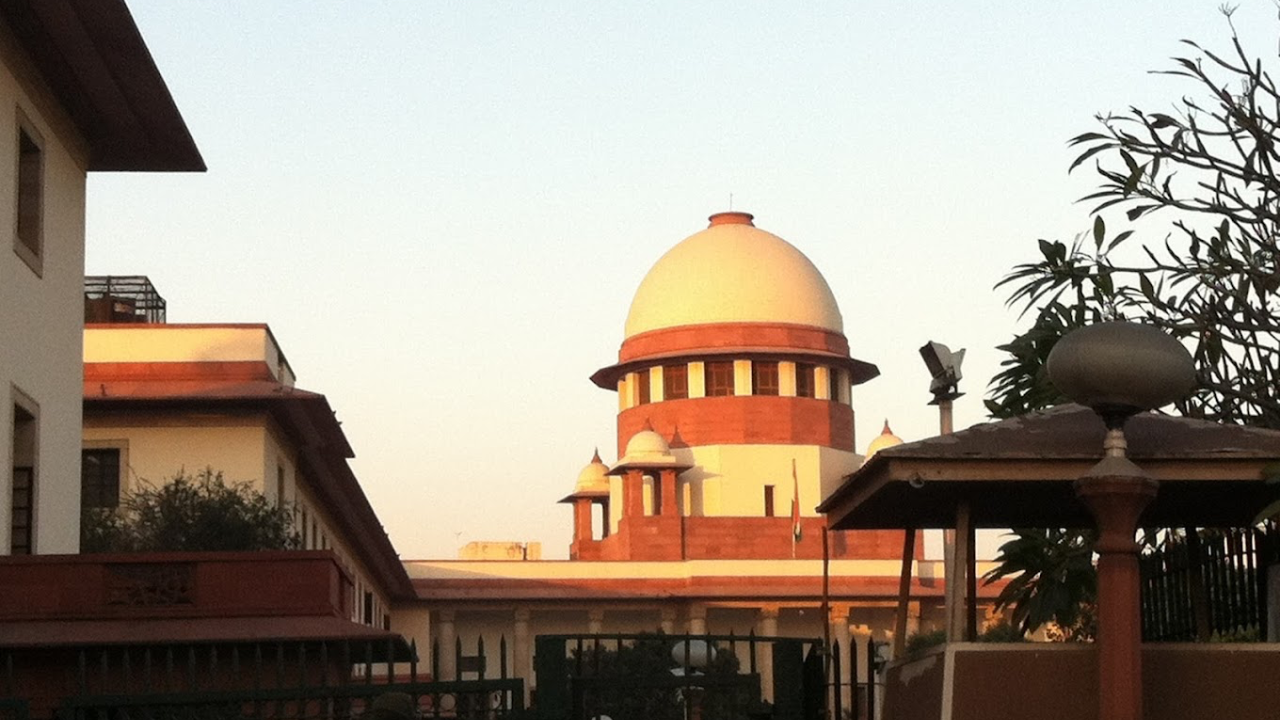
India’s Electoral Bonds Scheme Ruled Unconstitutional by Supreme Court
Supreme Court Strikes Down India’s Electoral Bonds Scheme as Unconstitutional
In a groundbreaking verdict, India’s Supreme Court has ruled the country’s electoral bonds scheme as “unconstitutional.” The scheme, introduced in 2018 by the government, aimed to offer an alternative to cash donations to political parties, purportedly to enhance transparency in political funding.
The five-judge bench, headed by Chief Justice DY Chandrachud, delivered a unanimous decision, asserting that the electoral bonds scheme infringed upon citizens’ fundamental rights, particularly the right to information and freedom of speech and expression, as guaranteed by the Indian Constitution.
Chief Justice Chandrachud emphasized the criticality of transparency in political funding, highlighting concerns over the anonymity of donations through electoral bonds. The court expressed apprehensions that such anonymity could pave the way for quid pro quo arrangements and compromise the integrity of the electoral process.
Moreover, the bench criticized provisions allowing unlimited corporate funding, pointing out the potential for corporations to unduly influence political outcomes. The court deemed these provisions as disproportionate and in violation of citizens’ rights to information.
In response to the verdict, the Supreme Court directed the State Bank of India, the issuer of electoral bonds, to cease all further issuance of bonds forthwith. Additionally, the court mandated the disclosure of all donations made under the scheme to the Election Commission of India, with the commission instructed to publish this information on its website by March 13, 2024.
Furthermore, political parties were instructed to return uncashed electoral bonds within the validity period of 15 days. The issuing bank is required to refund the amount to the purchasers, thereby ensuring adherence to legal norms and ethical standards in campaign finance.
This verdict marks a significant milestone in India’s efforts to promote transparency and accountability in political funding. The Supreme Court’s decision underscores the pivotal role of an independent judiciary in upholding constitutional values and strengthening democratic institutions.
As the nation reflects on this landmark ruling, it heralds a new chapter in the ongoing discourse on electoral reforms and campaign finance regulations in India. The verdict sets a precedent for greater scrutiny and reform, signaling a renewed commitment to safeguarding the integrity of the electoral process and fostering a more equitable and inclusive democracy.
Discover more from News Tap One
Subscribe to get the latest posts sent to your email.

