
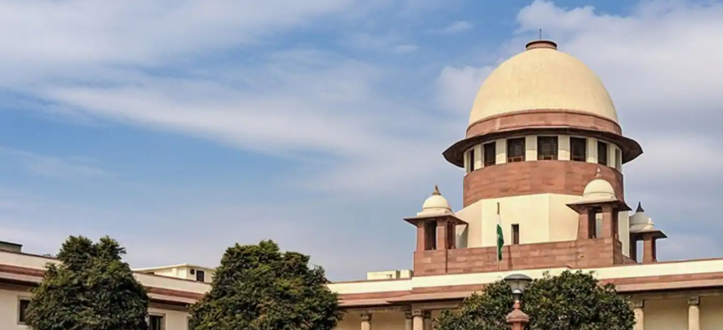
Judicial Integrity at Stake: Why the Supreme Court Acted Against NCERT’s Class 8 Book
February 26, 2026, New Delhi: Following criticism of a chapter that addressed judicial corruption and case backlogs, the Supreme Court of India today dramatically banned a recently released Class 8 social science textbook published by the National Council of Educational Research and Training (NCERT). In addition to criticizing the book for perhaps demeaning the judiciary, the Supreme Court said that its inclusion was a part of a “deep-rooted conspiracy.”
A court led by Chief Justice of India Surya Kant asserted that the chapter on “corruption in the judiciary” was unbalanced and that teaching it to 13–14-year-old pupils could erode public confidence in the judicial system, along with Justices Joymalya Bagchi and Vipul M. Pancholi. The court voiced grave concerns regarding the portrayal of fragile institutions in teaching resources.
The bench issued show-cause summonses to the Secretary of the Department of School Education and Literacy and the Director of NCERT in compliance with the Contempt of Courts Act, asking them to provide an explanation for their publication of the contentious information. It also asked for details about the members of the National Syllabi Board who were responsible for writing the chapter.
The court ordered the removal of all physical and digital copies of the textbook from educational institutions, retail establishments, and internet platforms in addition to directing governments to ensure compliance. A compliance report must be obtained by a certain date.
Senior attorneys first raised the subject in court, pointing out that the way the judiciary was portrayed in the textbook might have misled students. In response, NCERT stated that it would update the text following the proper consultation and admitted that the material shouldn’t have been included.
Union Education Minister Dharmendra Pradhan reaffirmed the government’s respect for the courts and stated that action would be taken against those who were responsible for the chapter’s inclusion. Teaching young kids about democratic systems is a complex task, as the court deliberations made clear.
The case is scheduled for further hearings in the coming weeks, and the Supreme Court has stated that it may establish a panel to look into accountability and compliance if necessary.
Discover more from News Tap One
Subscribe to get the latest posts sent to your email.

