
Political Furore Over BLO Deaths During Bengal’s Intensive Voter Revision

Introduction
The Special Intensive Revision (SIR) is a comprehensive, nationwide initiative by the Election Commission of India (ECI) to ensure the accuracy and purity of electoral rolls. It is a foundational overhaul designed to add new eligible voters, remove deceased or permanently shifted individuals, and correct existing details. The current Phase II of the SIR began on November 4, 2025, covering 12 states and Union Territories, including West Bengal. The process mandates that over 80,000 BLOs conduct door-to-door enumeration to distribute and collect verification forms, with a deadline of December 4, 2025. This exercise has become a focal point of intense political conflict in Bengal, with the ruling Trinamool Congress (TMC) and the opposition Bharatiya Janata Party (BJP) holding starkly opposing views on its purpose and implementation. The core of the controversy lies in a “matching-mapping” process where current voters are expected to link their details to the last SIR roll from 2002, a 23-year gap that has left a vast majority of voters, including an entire generation of new adults, in an “unmatched” category facing potential hearings to prove their citizenship.
The Incident: What, Why, When, Where, How
What:
The primary incident sparking the immediate public and political outrage is the reported string of deaths by suicide among Booth Level Officers (BLOs) in West Bengal and other states. These officials, many of whom are government employees like teachers, are tasked with the demanding and politically sensitive work of voter enumeration. The number of deaths nationwide linked to SIR pressure is reported to be at least five.
Why (Observed Cause):
The reason that has been found to contribute to the occurrence of these dreadful accidents is the unbearable work pressure and the strict time lines that are related to SIR process. It is reported that BLOs are working more hours, during the day at their main posts and late into the night on enumeration work as well as complex online data entry where most of them are neither well trained, nor equipped. A suicide note from a BLO in Gujarat explicitly stated, “I can no longer carry out SIR work.” The targets, including a 95% completion rate within a given date, make the pressure even greater, which some officers cannot manage. The political environment of the drive has also cultivated fear and stressful atmosphere to both the citizens and the officers in charge of the process.
When (Date and Time):
The deaths and subsequent political reactions have occurred during the ongoing enumeration phase, specifically in the month of November 2025. The news articles cited for Adhir Ranjan Chowdhury’s comments were published on November 23, 2025, at approximately 8:42 PM IST, reflecting the immediate aftermath and ongoing nature of the crisis.
Where (Which Location):
There have been cases in various places. The particular political utterance of Chowdhury is concerned with West Bengal. Reports of BLO suicides have emerged from various districts within Bengal, including Nadia and Siliguri, as well as from other states participating in the SIR, such as Gujarat, Kerala, and Rajasthan.
How (How Incident Happened):
Incidents primarily occurred via suicide, resulting from the overwhelming stress and depression engendered by workload and pressure to meet SIR targets. The procedure itself requires BLOs to visit several houses and facilitate a complicated verification and form-gathering process that has been heavily criticised due to its tight deadlines and procedural murkiness, and caused widespread nervousness often known as SIR terror.
Current Final Result
The current final result of the incident is a significant political and social crisis. The deaths have intensified the pre-existing political feud between the TMC, the BJP, and the Election Commission.
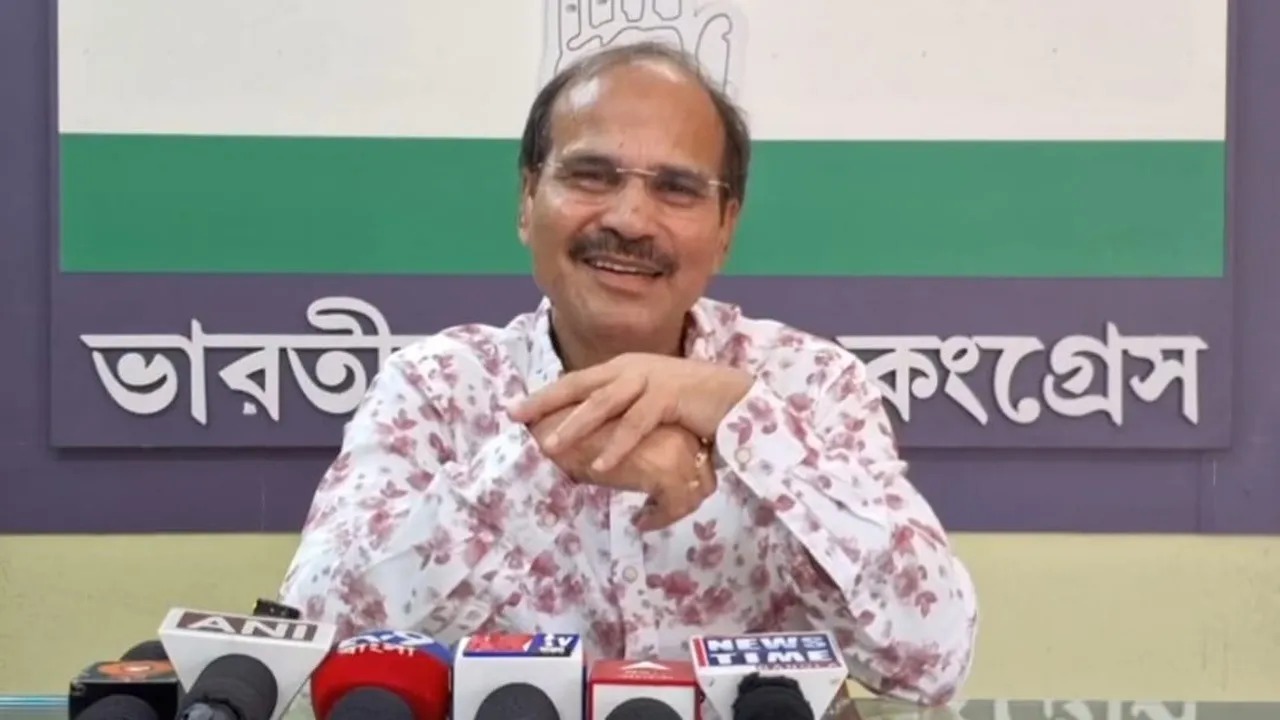
- Political Condemnation: There have been severe criticisms by the leader of the congress Adhir Ranjan Chowdhury to both the central (BJP) and the state (TMC) government, implying that the political confrontation between the two governments is hurting common BLO workers. Chief Minister Mamata Banerjee has also expressed her displeasure and talked to the Election Commission of India about the negative impact of the campaign.
- Official Response: The Election Commission has sought reports from district magistrates regarding the deaths and has established a “Book-a-call with BLO” facility to try and manage the workload and public queries.
- Public Anxiety: The process has created a tremendous panic among the citizens about their citizenship status in the event that their names are not on the 2002 list, leading to protests and a hunger strike by the Matua community. The Election Commission of India has made it clear that the process is about the eligibility of voters and not determination of citizenship but these fears still exist.
- Calls for Change: The BLO associations have already officially asked to extend the deadline and help with data entry, with the overwhelming workload being mentioned.
Conclusion
The standing and amendment record (SIR) in West Bengal has been transformed into a deep human and political crisis out of an otherwise ordinary administrative task. The death of the Booth Level Officers (BLOs) offers a pale and heartrending example of the strains that the people on the ground faced between the tight deadlines set by the Election Commission of India on one hand and the unyielding political rhetoric of the main parties in the state on the other. The circumstances are unstable whereby the deadline of the enumeration of 4 December 2025 is near, and significant concerns surround accountability and the human consequence of the voter revision exercise.
Discover more from News Tap One
Subscribe to get the latest posts sent to your email.

