
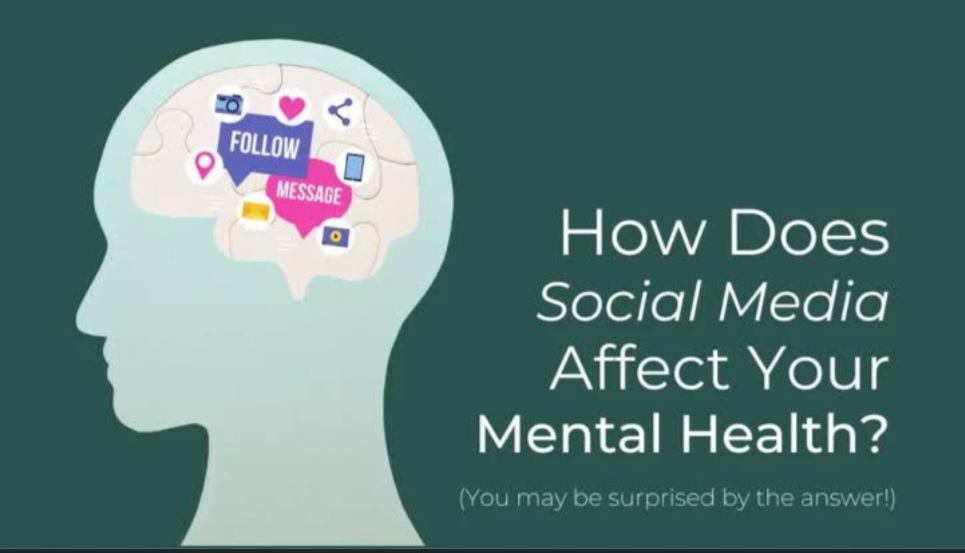
The Impact of Social Media on Mental Health: What You Need to Know

The Impact of Social Media on Mental Health: What You Need to Know
In today’s digital age, social media has become an essential part of our lives. Whether it’s Instagram, Twitter, or TikTok, social platforms offer a way to connect, share, and learn. But while they bring people together, they also come with hidden risks to our mental health. From boosting self-esteem to triggering anxiety, social media’s influence on mental well-being is powerful. In this article, we explore both the positive and negative impacts of social media on mental health and offer tips on how to navigate this virtual world mindfully.
Loneliness in Real Life, But Connections Online
Many people feel more disconnected from the real world despite being “connected” online. Social media allows us to interact with others, even across long distances, creating a sense of community and support. For those who struggle with face-to-face communication, online platforms provide an outlet to share thoughts, experiences, and emotions. However, these digital connections often lack the depth and authenticity of real-life relationships, leading to a sense of isolation.
Dependence on Validation
One of the most powerful effects of social media is its ability to influence our self-esteem. The constant need for likes, comments, and followers creates an unhealthy dependence on external validation. People start measuring their worth based on the number of likes their posts get or the followers they have. This can leave individuals feeling inadequate when they don’t receive the approval they crave, impacting their confidence and mental well-being.
The Pressure to Be Perfect
Influencers and celebrities often portray perfect, curated lives online, which can create unrealistic standards. As users scroll through polished images of success, beauty, and happiness, they might begin to feel that their own lives fall short. This pressure for perfection contributes to anxiety, low self-esteem, and body image issues, especially among young people.
The Emotional Toll of Comparison
Social media’s constant stream of carefully edited content can lead to constant comparison. Seeing others travel, achieve success, or look flawless can cause feelings of inadequacy. The fear of missing out (FOMO) can also trigger anxiety, as we feel like we’re not living up to the same standards as everyone else. This emotional toll is often hidden behind the bright screens and filters of social media.
Conclusion: Finding Balance in the Digital World
In the age of social media, the phrase “touching grass” has taken on a new meaning. It’s a reminder to step away from the virtual world and reconnect with the real one—whether it’s spending time outdoors, engaging in meaningful face-to-face conversations, or simply enjoying the little things in life.
It’s important to cultivate real, healthy friendships that support you beyond the digital realm. True connections, built on trust and understanding, provide the emotional support and validation that social media can’t offer. These relationships are the foundation of our mental well-being.
Happiness doesn’t lie in the number of likes, followers, or comments you get—it’s found in the small, everyday moments. Whether it’s a quiet walk, a laugh with a friend, or a moment of self-reflection, these are the things that truly matter. Remember, it’s not the numbers that define you—it’s who you are as a person that truly matters. Embrace your individuality and find joy in the simple things that make life meaningful.
Discover more from News Tap One
Subscribe to get the latest posts sent to your email.

