
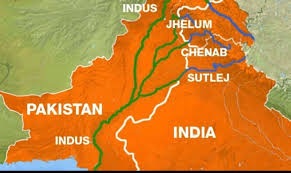
Why India’s Suspension of the Indus Waters Treaty Is Justified and Why Pakistan’s Protests Won’t Work

Context: Pahalgam Attack Forces India’s Hand
The suspension of the 1960 Indus Waters Treaty came days after a terror attack in Pahalgam that claimed 26 innocent lives, many of them tourists. The group responsible, The Resistance Front, has known links to Pakistan-based Lashkar-e-Taiba. This wasn’t an isolated event but part of a long pattern of cross-border terrorism that India has endured for years.
Given this history, India’s move is not an act of aggression but a sovereign response to continued provocation. The message is clear. Terrorism will not be tolerated, and diplomatic agreements cannot exist in a vacuum of trust.
Pakistan’s Legal Rhetoric Rings Hollow
Islamabad has called the suspension of the treaty illegal and a declaration of war. But that argument lacks substance both legally and logically. The Indus Waters Treaty may have been brokered by the World Bank, but its continuity depends on mutual trust and responsibility. That trust has been repeatedly broken by Pakistan’s refusal to act against terror groups operating within its borders.
Additionally, Article XII of the treaty allows for modification or termination if appropriate notice is provided. India’s decision to suspend, rather than terminate the treaty outright, shows restraint and strategic clarity.
No Moral High Ground for a Terror Haven
It is deeply ironic that Pakistan is invoking international law while continuing to shelter internationally designated terrorists. From the 2008 Mumbai attacks to Pulwama and now Pahalgam, the list of atrocities linked to Pakistan-based terror outfits is long and well documented.
India has long pursued peace through dialogue and diplomacy. This latest move is not a breakdown of talks but a refusal to be complicit in a charade of false promises.
Why Pakistan’s Challenge Will Likely Fail
Even if Pakistan tries to take the matter to an international forum, it is unlikely to gain much traction. Global sentiment has shifted in India’s favor, especially as more nations acknowledge Pakistan’s long-standing role in nurturing extremism.
Pakistan’s struggling economy and weakened diplomatic standing also mean it lacks the influence required to rally meaningful international support. Most countries will view India’s decision as a calculated and justified response to a continued national security threat.
India’s Water Card Is Strategic, Not Reckless
There are concerns that India may be weaponizing water, but this is a misunderstanding of the situation. India is not denying Pakistan its share under the treaty. It is asserting its right to re-evaluate an agreement that was based on goodwill and trust—both of which have been systematically violated.
By suspending the treaty instead of canceling it, India has sent a strong message while still leaving the door open for future reconsideration if the security environment improves.
Final Word: This Is a Wake-Up Call, Not an Act of War
India’s decision is aimed at holding Pakistan’s establishment accountable, not at harming the people of Pakistan. The Indus Waters Treaty was once a symbol of cooperation. In today’s climate, it cannot exist without accountability.
Pakistan may protest and appeal, but the world is watching closely. Increasingly, it is siding with facts, not with denial and deception.
Discover more from News Tap One
Subscribe to get the latest posts sent to your email.
