
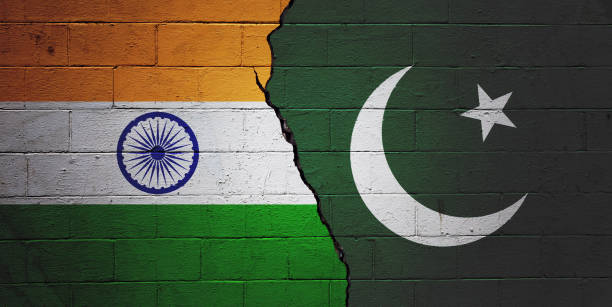
Waqf Amendment Bill Sparks India-Pakistan Diplomatic Row

The proposed changes to Waqf governance draw sharp responses domestically and internationally.
The Waqf Amendment Bill, 2025, originally introduced by the Indian government, has not only caused debate in India, but a pointed response from Pakistan. This has turned into an active diplomatic confrontation. The bill, which was focused primarily on changing the administration of Waqf governance and properties, has taken on some political and religious significance. After Pakistan publicly denounced the bill, India has subsequently pushed back. Citing hypocrisy behind Pakistan’s comments, and pointing out the regional politics, it is believed to be politically motivated. This clash showcases the sensitivity of religious policy in South Asia. It also shows how internal policy issues can be turned into international talking points extremely quickly.
What the Waqf Amendment Bill Proposes
Here are some of its main features:
Abolishment of Section 40: There are no longer Waqf Boards have the ability to declare land Waqf.The government claims this will protect an owner from being taken advantage of.
2. Diversity and Inclusion: Non-Muslims and women can serve on Waqf Boards and the Central Waqf Council.According to the government, this provided diversity and inclusion.
3. Digitization of Waqf Record: The authorities will digitalize waqf records. This will create transparency and reduce corrupt practices.
4. Allowing Donation: Only Muslims who practice their religion for a minimum of five years can donate property as Waqf.
These proposed changes led to opposition from various Muslim leaders and personalities who perceive it as an infringement on religious autonomy.
Pakistan’s Criticism
Pakistan’s Foreign Office issued an official statement denouncing the bill. They stated, infringes upon the religious rights of India’s Muslim minority. The statement read the rioting legislation “discriminatory”. It essentially accused the Indian government of “institutionalizing” this marginalization disguised as legal reform. Islamabad also broadened its critique regarding the treatment of minorities in India, depicting it as part of the “systematic campaign” against its Muslims.
India’s Response: “Look at Your Own Track Record”
India reacted rapidly and robustly. The Ministry of External Affairs called Pakistan’s comments “motivated and baseless,”. They stated that the Waqf Amendment Bill is an internal domestic matter within India’s sovereign jurisdiction. India also highlighted Pakistan’s poor track record on minority rights, noting its ongoing persecutions of Hindus, Sikhs, and Christians within its own borders. “Before getting into the comment on others, Pakistan should reflect on its own atrocious human rights record,” said an MEA spokesperson. This exchange is consistent with a larger pattern in the diplomatic discourse. Where India responds to a similar exchange with Pakistan regarding criticisms of religious issues and constitutional issues, by pointing Pakistan’s own domestic challenges.
Change in Law or Catalyst for Politics?
The Indian Parliament is currently debating over the Waf border. However the blow-up over it illustrates a wider dynamic between legal reform, community sentiment, and international diplomacy. The controversy has not just drawn Pakistani criticism and push-back. It has also prompted swift diplomatic intervention that has escalated the issue internationally. The speed at which engineers responded with diplomatic condemnation demonstrates the highly sensitive and deeply rooted nature of religious identity politics in the region. This exchange between India and Pakistan illuminates larger issues related to their ideological divide. Inevitably both states will proceed informed and shaped by their internal legislation. However, such vexed internal politics will likely serve as fodder for wider global debate. The public discussions surrounding the amendment of this bill has underscored contemporary issues of religious rights and national sovereignty that remain ongoing.
Discover more from News Tap One
Subscribe to get the latest posts sent to your email.
