
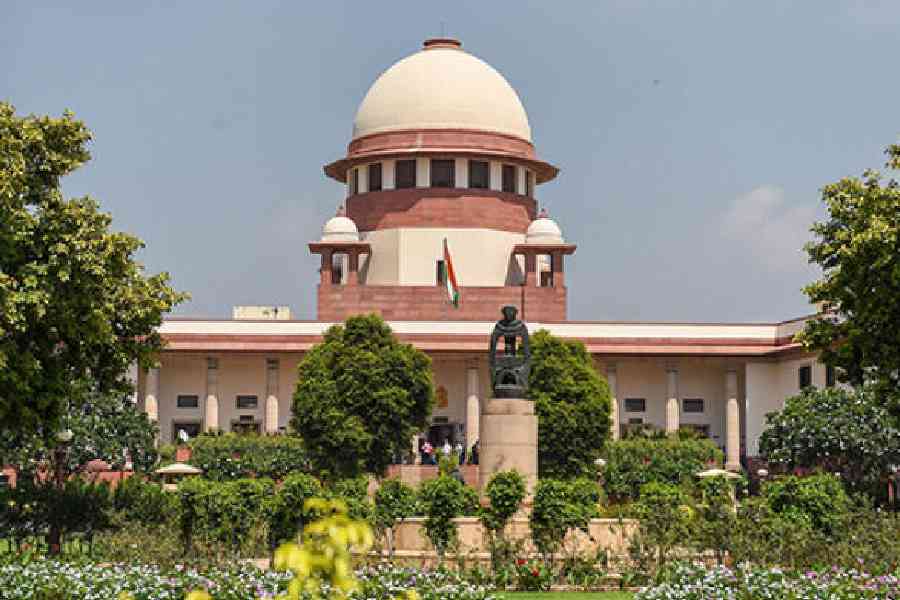
SC to take up petitions challenging EC’s freeze o Bengal electoral rolls on April 13

On Monday, April 13, the Supreme Court of India will step into a legal battle that is about much more than dates and deadlines. At its heart are the millions of voices in West Bengal currently caught in a democratic “limbo.”
The controversy stems from the Election Commission’s decision to “freeze” the electoral rolls on April 9. This act finalized the list of who can vote in the upcoming Assembly elections, effectively locking the doors to anyone not already on it. While this is a standard procedural step to ensure logistics run smoothly, the timing this year has left a significant portion of the population feeling silenced.
The Human Cost of a Deadline:
During a massive “Special Intensive Revision,” over 90 lakh names were removed from the voter lists across West Bengal. While the Commission argues this “cleanup” is necessary to remove duplicate or deceased entries, thousands of living, eligible citizens claim they were wrongly excluded.
Many of these individuals have already filed formal appeals to prove their residency and identity. However, by freezing the rolls now, the authorities have essentially paused those appeals. For a citizen whose name was scrubbed due to a misspelling or a technical error, the freeze means that even if they win their appeal next week, it will be too late to vote on election day. The petitioners argue that administrative efficiency is being prioritized over the fundamental right of a citizen to choose their leaders.
A Test for Democracy:
The Supreme Court faces a delicate balancing act. On one hand, the Election Commission must maintain a strict timeline to conduct a massive, multi-phase election starting April 23. On the other, as Justice Joymalya Bagchi recently noted, the “constitutional right to be on the electoral roll” is a permanent and sacred pillar of the Republic.
As the hearing unfolds this Monday, the decision will determine whether the clock can legally outrun the voter. For the millions watching from West Bengal, the outcome isn’t just a legal precedent—it is the difference between having a seat at the table or being a spectator in their own democracy.
Discover more from News Tap One
Subscribe to get the latest posts sent to your email.

