
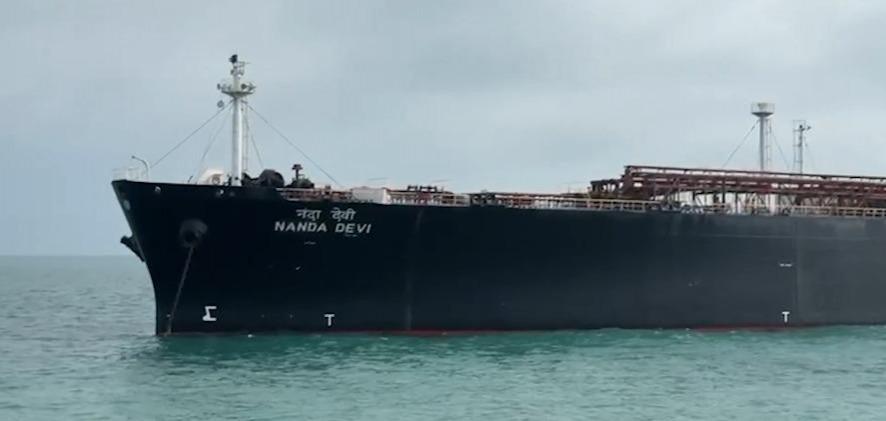
How Nanda Devi’s Safe Passage to Gujarat Calms India’s LPG Supply Crunch — Risks and Next Steps
A timely delivery for India
The LPG ship Nanda Devi arrived at the Vadinar port carrying approximately 46,500 tonnes of cooking gas. This followed immediately after another ship, Shivalik. They carried almost 92,700 tonnes. This helped reduce pressure on homes and small businesses at a time when supply was tight.
Why this matters now
India is heavily reliant on LPG imports. Much is derived via the Strait of Hormuz. This route was dangerous in 2026, when tension in West Asia was evident. There was delay of the ships, increased insurance, and safety. This brought panic of scarcity within India. It was because of this arrival that this was significant. It demonstrated that India is still capable of transporting fuel even at international distress.
How India handled it
Such ports as Vadinar responded quickly. Ships got priority berthing. Ship-to-ship transfer was soon used to get fuel to other regions of India within a shorter period. Short term local production and supply control was also implemented in order to avoid panic buying.
What comes next
This situation is a warning. India must have additional storage, its own flag ships and additional suppliers outside of the Middle East. It is also driven to PNG and more clean fuels such as biogas. The goal is simple. Ensure that homes should not be concerned with cooking gas, even in case the world is in turmoil.
Discover more from News Tap One
Subscribe to get the latest posts sent to your email.
