
From Guardian to ‘Kasai’: The Real Story of Gopal Patha and the Family’s Fight Against The Bengal Files

Historical films often walk a delicate tightrope—balancing storytelling drama with factual integrity. Vivek Agnihotri’s highly anticipated The Bengal Files, slated for a September 5, 2025 release, has now become the epicenter of a fierce dispute. At its heart lies one figure: Gopal “Patha” Mukherjee—a controversial yet celebrated figure from the 1946 Great Calcutta Killings. The film’s portrayal of him has met with sharp backlash from his descendants, who insist on safeguarding his legacy.
This article delves into the real-life persona of Gopal Patha, examines how the film presents him, and explores the family’s powerful objection to his cinematic depiction.
The Man Behind the Name: Who Was the Real Gopal Patha?
Historical Background
Real Name & Time: Gopal Mukherjee, popularly known as Gopal Patha, emerged as a local protector during the Direct Action Day riots (Great Calcutta Killings) of August 16, 1946—when communal violence erupted, devastating many neighborhoods. Protector, Not Perpetrator: Multiple accounts from his grandson Santanu recount that Gopal “took up arms to save Hindus from marauding rioters—but voiced no hatred for Muslims.” Distinctly, he sheltered innocent Muslim families, instructed his followers not to harm innocents, especially women and children. Moral Conduct in Crisis: In a 1997 interview, Gopal himself stated that he had ordered his men: “Do not misbehave with women, do not kill any women… Do not loot… even Ravana was destroyed after misbehaving with women.”
Liberation and Nationalist Roots
Freedom Fighter & Anushilan Samiti Member: The Mukherjee family underscores that Gopal was not just a local strongman—but a wrestler, an active freedom fighter, and a member of the Anushilan Samiti, aligning with the ideology of Netaji Subhas Chandra Bose. Nicknamed ‘Patha’—Not a Butcher: ‘Patha’ is derived from the Bengali phrase buker paata, meaning “chest’s edge”—a term of bravery and affection. The family insists this was never meant to label him a butcher (“kasai”), a slur they feel undermines his nobler legacy.
Legacy and Family Remembrance
Protector Across Communities: Neighbors—including Muslim families like those owning Islamia pharmacy—still recount how Gopal protected them during those dark days, ensuring families such as Rafique Chacha’s survived. A Changed Man’s Demise: Gopal passed away in 2005 at the age of 92, his reputation remembered by many as that of a brave, principled man.
The Film’s Portrayal: Fiction, Inspiration, or Provocation?
Cinematic Narrative & Tone
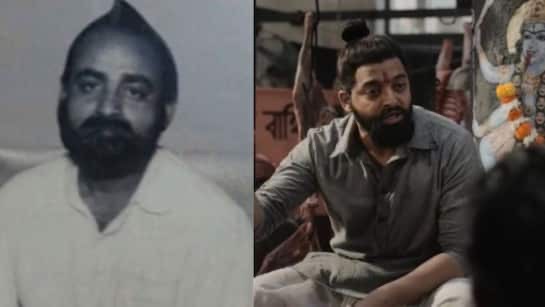
Film Details: The Bengal Files, previously titled The Delhi Files, is Agnihotri’s third installment in his historical “Files Trilogy.” It focuses on the 1946 Calcutta riots and the Noakhali aftermath, depicting them as a genocide largely ignored by mainstream narratives. The film stars a high-profile ensemble: Mithun Chakraborty, Anupam Kher, Pallavi Joshi, Saswata Chatterjee, Sourav Das, among others. Trailer Content: The trailer is laden with dramatic, provocative lines: “Bharat Hinduon Ka Rashtra Hai… Jinnah जीत रहा है क्योंकि गांधी की अहिंसा में नशा है”, (India is a Hindu nation… Jinnah is winning because we are intoxicated by Gandhi’s non-violence). Gopal Patha is shown brandishing a sword before a Kali idol—ominous and taut with aggression. The film frames itself as an “expos é of the buried story of Hindu genocide”, positioning itself as a wake-up call to a sleeping nation.
Agnihotri’s Defense
“Inspired Character” Claim: At a trailer launch in Delhi, Agnihotri clarified that Gopal Patha’s character is “inspired”—not historically central—and that he based his portrayal only on publicly available interviews, including one on BBC. Respect Claimed—but No Consultation: He professed respect for the real Gopal but admitted that he did not reach out to the family. He also referenced legal battles and claimed controversy stems from the family’s political affiliations.
The Family’s Objections: A Battle for Legacy and Dignity
Legal Action and Public Outcry
Legal Notice & FIR Filed: Gopal’s grandson, Santanu Mukherjee, has lodged both an FIR at Bowbazar Police Station and a legal notice alleging defamation. He claims Agnihotri’s portrayal reduces his grandfather to an extremist butcher and misrepresents his role during the riots. Language Matters: The phrase “Ek tha kasai Gopal Patha” (Once was a butcher Gopal Patha) featured in Agnihotri’s reel and the film’s trailer have deeply offended the family—who insist such titles are demeaning and historically inaccurate. No Family Consultation: Santanu emphasizes that Agnihotri never contacted the family or did due diligence in understanding Gopal’s legacy. This omission, he argues, makes the portrayal both irresponsible and unfair.
Broader Ramifications
Community Backlash: The family claims the portrayal risks communal polarization by painting a nuanced figure in stark, biased colors. They wish to protect both historical truth and the social fabric of communal coexistence. Political Overtones: While TMC has labeled the film a political project ahead of the 2026 West Bengal elections, the Mukherjee family insists their objections are about history—not politics.
Why This Matters: History, Representation, and Filmmaking Ethics
The Weight of Historical Cinema
Films like The Bengal Files invite public re-engagement with forgotten chapters of history. Yet, with influence comes responsibility—especially when portraying real individuals whose legacies live in living memory.
Risks of Distortion
Simplification vs Complexity: Dramatized portrayals may reduce complex figures like Gopal to one-note archetypes—vigilante, communal firebrand—which can overwrite community-held memories of bravery and guard. Emotional Fallout: Families like the Mukherjees, rooted in Kolkata’s communal history, are uniquely harmed when nuanced narratives get overwritten by dramatic exaggeration.
Ethical Storytelling
Consult Owners of Legacy: Filmmakers owe a responsibility to consult descendants, especially when bodies of historical work (letters, archives) are limited. Family narratives then guide balanced storytelling. Clarity on Fiction vs Fact: Explicit disclaimers—“inspired by true events” or “this character is a fictional composite”—can help audiences distinguish creative reenactment from historical fact.
Gopal Patha was—by accounts deeply rooted in family testimony and historical recollection—a protector: a wrestler, freedom fighter, and moral guardian during one of Bengal’s darkest hours. He reportedly saved Muslims as fervently as he defended Hindus, issuing orders that transcended communal divides.
The Bengal Files reimagines Gopal Patha through a narrative lens of Hindu nationalism, provocative rhetoric, and violent imagery. While cinematic license allows reinterpretation, the family’s outrage is grounded in guarding a truthful and dignified legacy.

The Real Gopal Patha vs His Portrayal in The Bengal Files – Truth, Family’s Objections & Controversy
Explore the true story of Gopal Patha vs his portrayal in Vivek Agnihotri’s The Bengal Files. Family raises objections, legacy vs cinema.
Discover more from News Tap One
Subscribe to get the latest posts sent to your email.

