
How Indian Politicians Exploit Crime Stories to Influence You
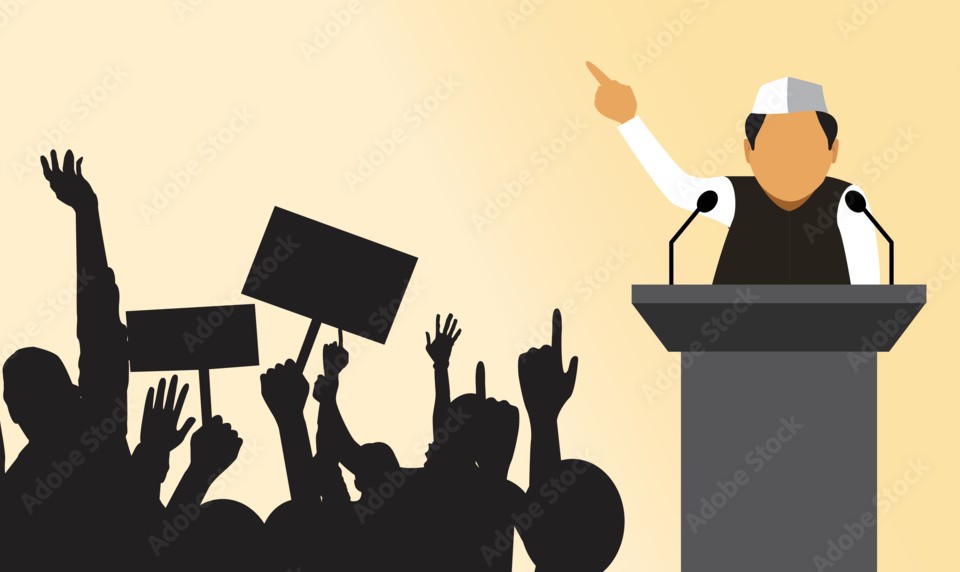
Political parties in India frequently use crime stories to shape the public mood. They raise alarms about religious conversions, moral policing, or threat narratives that stir anger and fear in half‑informed audiences. They spotlight sensational cases and feed headlines with accusations meant to evoke emotional reactions, and exploit incidents selectively. This tactic shifts attention from governance failures or economic hardship.
Researchers describe this as diversion politics. Parties often amplify identity-based stories to distract citizens from policy failures such as unemployment, inflation, or corruption scandals. They do so by using emotive narratives rooted in religion or caste. Emotion overrides reason when identity becomes the main axis of debate. It shapes perception based on fear and loyalty rather than facts.
How Media and Political Machinery Intersect
The outrage industrial complex shows how media outlets, influencer networks, and political operatives feed off each other. Politicians ignite controversy, and the media magnifies it. It becomes profitable content. Social media networks enable the lightning-fast spread of disinformation and inflammatory messages. Fake videos, doctored images, whistleblower leaks, all become fodder for a viral outrage cycle.
Tech platform armies, such as party IT cells in India, drive narratives through WhatsApp groups. They mobilize content that targets specific caste or religious groups and distorts crime allegations. They ensure certain identities become symbols of threat. That reaction becomes political currency.
Case Studies That Reveal the Pattern

In the 2017 Baduria riots in West Bengal, a BJP leader shared a still from a Bhojpuri film as evidence of violence. It provoked communal tension. That fake outrage soared despite swift police clarification. During the 2002 Gujarat violence, national media coverage framed narratives hostile to the state leadership. Leaders converted that into identity politics. They portrayed journalists as biased outsiders. That amplified anger and unified a voter base through manufactured offense.
Between these, there exist numerous smaller occurrences where crime becomes an index of identity threat. That allows politicians to mobilize emotion and blur lines between legitimate concern and fear‑mongering.
Why It Matters to Real Democracy
When public discourse stays focused on identity outrage politics, it displaces issue-based debates. Discussion about crime becomes indirect narrative engineering. The real governance issues go unexamined. Increasing criminalization among elected officials raises real worries. Nearly half of MLAs face criminal charges as per a 2025 ADR report. That fact rarely becomes a headline while distractions dominate news cycles.
When outrage becomes performance, the justice system also feels pressure. Courts face pressure to deliver fast convictions, or rhetoric escalates. Innocent individuals fall victim to mob mentalities as judicial independence erodes.
Read more: Why Whistleblowers in India End Up Dead or Forgotten
Discover more from News Tap One
Subscribe to get the latest posts sent to your email.


One thought on “How Indian Politicians Exploit Crime Stories to Influence You”