
Rising Lion Operation Targets Iran’s Core.
June 14, 2025 | Tehran, Iran
Israel launched its most aggressive military action in recent years, striking Iranian nuclear and military infrastructure under “Operation Rising Lion.” The strikes began before dawn and targeted enrichment sites, missile factories, and command centers across Iran. This marked a critical escalation in the long-standing Israel-Iran conflict. The assault killed several top Iranian military leaders and scientists, sparking immediate retaliation from Tehran.

Israeli Forces Execute Rising Lion Operation with Precision
Israeli fighter jets entered Iranian airspace around 3:00 AM local time. They struck over 100 strategic targets, including Natanz and Fordow nuclear facilities. Cyber units reportedly disabled Iran’s radar and defense systems minutes before the airstrikes began. Mossad provided the intelligence, ensuring accuracy and minimal collateral damage. Prime Minister Netanyahu said Israel had “no choice but to act first.”
Natanz suffered the heaviest damage. Satellite images showed collapsed buildings and fire outbreaks. According to Israeli officials, the strike aimed to cripple Iran’s nuclear weapons capability before it matured. By sunrise, over 200 sorties had been completed.
Tehran Responds: Retaliation to Rising Lion Operation
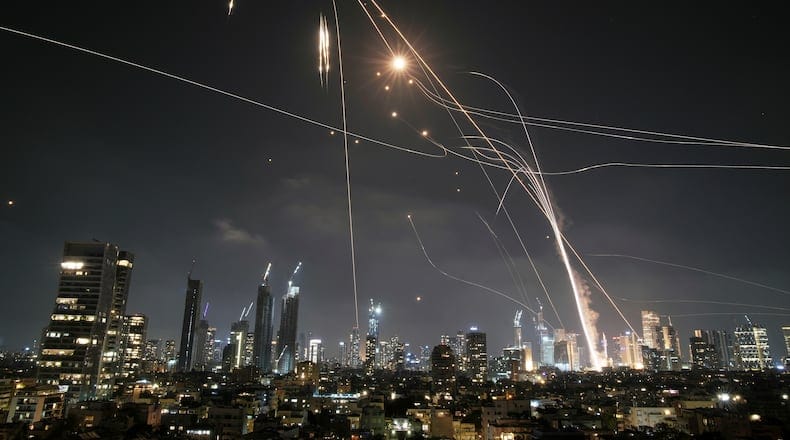
Iran responded within hours. Over 150 missiles and 120 drones targeted Israeli military bases and civilian zones. Cities including Tel Aviv and Haifa experienced multiple air raid alerts. Although most attacks were intercepted by the Iron Dome system, some drones managed to breach Israeli airspace.
Iran’s Revolutionary Guard confirmed the deaths of General Hossein Salami and nuclear scientists affiliated with the Fordow plant. Supreme Leader Ali Khamenei vowed a “complete response,” calling Israel’s actions a violation of international law.
Global Markets React to Rising Lion Operation
The operation rattled global markets. Oil prices surged by 12% due to concerns over Middle East instability. International flights were diverted as airspace over Iran, Iraq, and parts of Israel was declared unsafe. Major carriers canceled operations in the region, citing high risk.
Global leaders responded swiftly. The United Nations called an emergency session, while the IAEA confirmed that no nuclear leakage occurred, though monitoring had been disrupted. India, Germany, and the U.S. issued advisories for citizens to avoid travel to the Middle East.
Strategic Objectives Behind Rising Lion Operation
Israel’s military confirmed that Operation Rising Lion was designed to delay Iran’s nuclear progress by several years. According to IDF Chief Herzi Halevi, the focus remained on “eliminating Iran’s capacity to threaten Israel’s existence.” Cyber warfare played a key role, disabling Iranian communications and defense grids.
Analysts believe this preemptive move also aimed to undermine Iran’s influence in Syria and Lebanon. Intelligence sources suggest that key Hezbollah operatives were also targeted during the strikes.
International Pressure Mounts After Rising Lion Operation
The U.S. government maintained it had no direct role, though Israeli officials hinted at prior consultation. President Trump urged de-escalation, encouraging both nations to return to dialogue. Meanwhile, Russia and China criticized the strikes, calling them unilateral and dangerous.
Israel remains on high alert. Reservists have been called up and missile defense systems deployed nationwide. Reports suggest that further attacks could occur depending on Iran’s next steps.
Read more : Trump Guard Deployment Ruled Illegal by Federal Court.
Discover more from News Tap One
Subscribe to get the latest posts sent to your email.

