
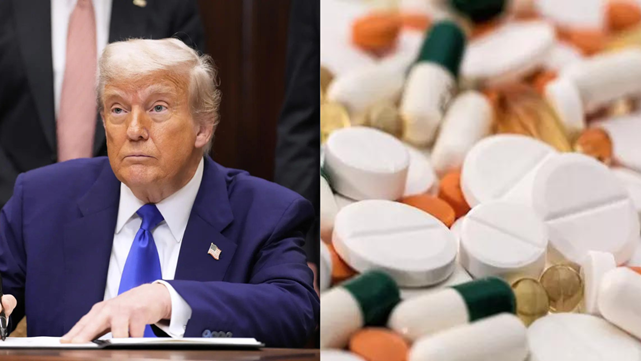
US Aims to Slash Drug Prices: Is India Shielded?
The United States’ recent move to slash prescription drug prices under the “Most Favored Nation” (MFN) policy has sparked global reactions. While its primary target is the high cost of branded drugs in the U.S., the implications are bound to ripple across the global pharmaceutical ecosystem—including India, the world’s largest supplier of generic drugs. This article critically examines the policy, its potential impact on India, and the strategic responses needed.
Understanding the US MFN Policy
The MFN policy, revived by the U.S. administration in 2025, intends to cap American drug prices based on the lowest prices paid by developed countries for the same medicines. This aims to end what the U.S. government calls “foreign freeloading,” where other countries pay far less for the same branded medications. By linking U.S. prices to international benchmarks, the U.S. hopes to cut drug costs significantly—by 30% to 80% in some cases.
How Is India Shielded—For Now?
At a glance, Indian pharmaceutical exporters—mostly supplying generic drugs—seem relatively insulated. Generics are already cheaper alternatives and are not the main focus of the MFN policy, which targets branded and patented drugs. Furthermore, the U.S. has not imposed price controls on generics yet, meaning India’s current market share (over $9 billion annually from exports to the U.S.) remains stable in the short term.
However, this perceived shield may be thin. If U.S. companies or global pharma giants feel the heat of revenue loss, they might shift their pricing burdens to lower-cost markets like India. This could indirectly lead to higher drug prices in India, particularly for newer or patented medications.

Strategic Implications for Indian Pharma
While the short-term effect may be minimal, the long-term strategic outlook for Indian companies could shift. Reduced margins on exports to the U.S. may lead Indian manufacturers to:
- Explore Emerging Markets: Firms could diversify beyond the U.S. and Europe to regions like Africa, Latin America, and Southeast Asia.
- Invest in Innovation: With tighter pricing on generics, Indian pharma may need to invest in R&D for high-value generics, biosimilars, or even novel drugs.
- Expand CDMO Services: India’s strength in manufacturing efficiency could be leveraged to offer contract manufacturing services for global firms needing cost-effective production.
Conclusion: Prepare for the Long Game
India may not be in the crosshairs of the U.S. drug pricing reform, but it cannot afford to be complacent. As global pharma adjusts to new pricing norms, India must prepare for indirect consequences—ranging from margin pressure to changing trade dynamics. A forward-looking strategy, built on innovation and market diversification, will be essential to ensure that India’s pharmaceutical sector remains resilient, competitive, and a global leader in affordable medicine.
Discover more from News Tap One
Subscribe to get the latest posts sent to your email.

