
“Israel on the Brink: Protests, Power Struggles, and Netanyahu’s Political Crisis”

Israel’s Political Crisis: Protests, Power Struggles, and Netanyahu’s Moves
Israel at a Crossroads
The political landscape in Israel has reached a boiling point as Prime Minister Benjamin Netanyahu faces mass protests, legal battles, and growing criticism over his leadership. His controversial decisions, such as the dismissal of key officials and the introduction of new policies on Gaza, have not only deepened the divide between the government and the public but have also intensified political tensions, fueled widespread protests, and heightened concerns over the country’s democratic stability.
Netanyahu’s Power Struggles and the Dismissal of Senior Officials
The Removal of Security Officials
Netanyahu’s recent actions have raised serious concerns about his intentions to consolidate power. The dismissal of Shin Bet Chief Ronen Bar and the attempts to remove Attorney General Gali Baharav-Miara have triggered accusations of political interference and abuse of authority.
Judicial and Political Resistance
These moves have been met with strong opposition from the judiciary, opposition leaders, and former security officials. Many believe that Netanyahu’s actions are an attempt to weaken state institutions and strengthen his grip on power.
Mass Protests: Public Outrage Against the Government
The Largest Demonstrations in Israel’s History
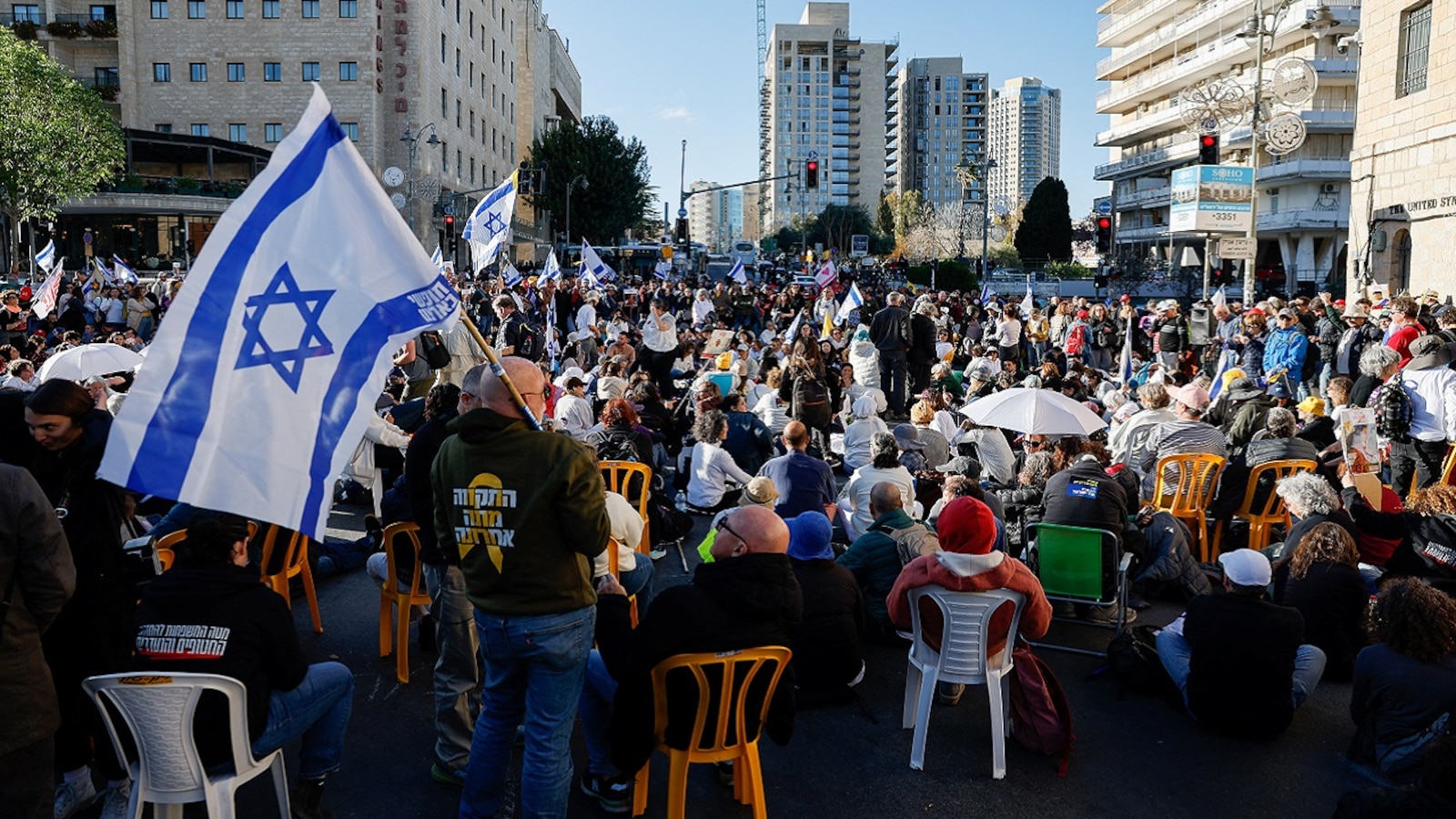
Israel has witnessed some of the largest protests in its history, with tens of thousands taking to the streets in cities like Tel Aviv and Jerusalem. Demonstrators are voicing their frustration over what they see as an assault on democracy, growing authoritarianism, and the government’s failure to address security and economic concerns.
Israel’s Political Crisis The Role of Former Security Officials
Former intelligence and military officials have also joined the protests, emphasizing the growing unrest and warning of severe consequences if Netanyahu continues down this path. Furthermore, their involvement has not only added credibility to the opposition but has also intensified public dissatisfaction. As a result, tensions have escalated significantly, increasing pressure on the government to respond. Additionally, this surge in opposition support has further polarized the political landscape, making a resolution even more challenging.
The Gaza Controversy: Deportation Plans and International Condemnation
Creation of a Deportation Agency
Beyond internal political struggles, Netanyahu’s government has sparked global outrage by establishing an agency to deport Gaza residents. The move has been criticized as a violation of international law, with many labeling it an act of ethnic cleansing.
International Backlash and Humanitarian Concerns
Meanwhile, as the humanitarian crisis in Gaza continues to worsen, it has not only drawn condemnation from world leaders and human rights organizations but has also intensified international pressure on Israel. Additionally, the worsening conditions have further strained diplomatic relations, thereby leading to heightened criticism from global institutions. Moreover, the escalating situation has fueled global debates, subsequently deepening regional tensions and increasing calls for urgent intervention. As a result, Israel now faces mounting diplomatic and humanitarian challenges, ultimately making the path to resolution even more complex.
Economic Turmoil and Budgetary Disputes
Financial Instability and Coalition Conflicts
Israel’s economic stability is under threat as political instability disrupts financial planning. The growing budget deficit and disagreements within the ruling coalition over the 2025 budget have intensified tensions.
Infighting Within the Government
Finance Minister Bezalel Smotrich and National Security Minister Itamar Ben-Gvir are among those clashing over financial policies. As a result, tensions within the coalition have escalated, further exposing cracks in Netanyahu’s government. Moreover, these internal disputes have not only weakened the administration’s stability but have also raised concerns about its ability to effectively govern amid growing political and economic challenges.
The Judiciary vs. Netanyahu: A Legal and Political Battle
The Supreme Court’s Role in the Crisis
The Israeli Supreme Court has emerged as a major obstacle to Netanyahu’s agenda, blocking key decisions and pushing back against government overreach.
Threats to Judicial Independence
Legal experts warn that the ongoing conflict between the executive and judiciary could have long-term consequences for Israel’s democratic institutions. Meanwhile, Netanyahu’s allies continue to push for changes that could weaken the judiciary’s independence. Furthermore, their efforts have sparked widespread criticism, intensifying concerns over the erosion of democratic institutions. Additionally, these proposed changes have deepened political divisions, further fueling public unrest and legal challenges.
Israel’s Political Crisis :The Future of Netanyahu’s Leadership
A Government Under Pressure
With mounting public unrest, legal challenges, and coalition infighting, Netanyahu’s leadership is under immense pressure.
Uncertain Political Outcomes
The question remains: Can he maintain control, or will the protests and opposition efforts force a political shift? The coming weeks will be crucial in determining the trajectory of Israel’s political landscape.
A Nation at a Tipping Point
Deepening Political Instability
Israel’s crisis is far from over, and the country is facing a defining moment in its history. Whether Netanyahu can survive the growing opposition or if his government collapses remains uncertain.
What Lies Ahead?
Moreover, as public protests intensify and legal challenges mount, the pressure on his leadership continues to escalate. In addition, deepening divisions within his coalition, coupled with rising international scrutiny, further complicate his chances of maintaining control. Consequently, his government’s future remains uncertain, and the political landscape grows more volatile. As protests rise and legal battles unfold, the nation anxiously awaits what comes next.
Discover more from News Tap One
Subscribe to get the latest posts sent to your email.

