
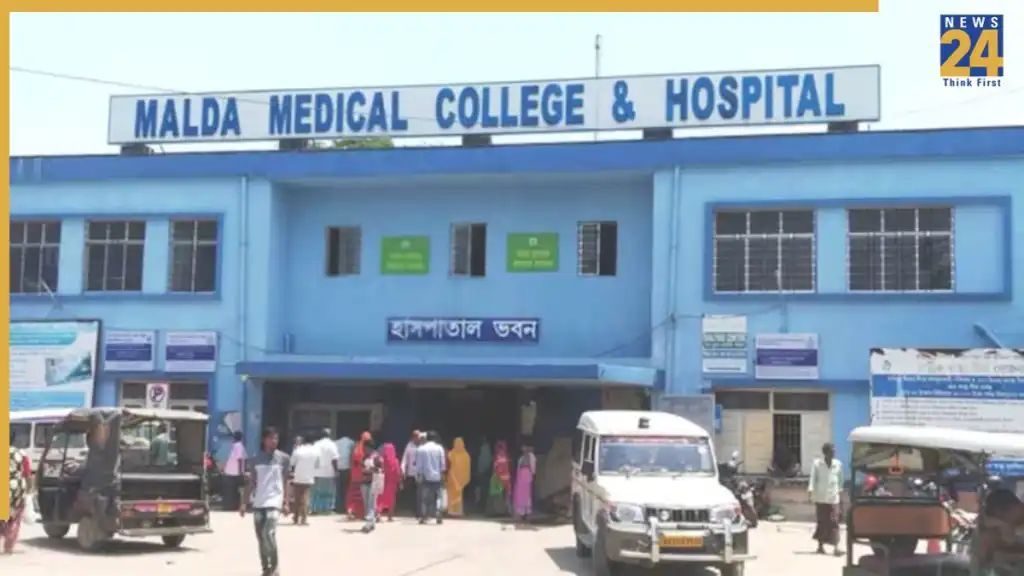
Malda Infant Deaths: Special Team to Probe Rising Toll!

Concern over a series of infant deaths at Malda Medical College and Hospital has prompted the state to step up its scrutiny, with a specialist team expected to visit the hospital on Saturday to assess the situation. The team is expected to examine the paediatric department, Critical Care Unit and Neonatal Intensive Care Unit, besides reviewing the hospital’s infrastructure and treatment arrangements.
The latest development follows a disturbing cluster of deaths reported in August. Earlier reports said 60 children had died at the hospital during the first three weeks of the month, including 10 deaths recorded within a single day. The figure subsequently rose in reports from hospital authorities. On August 27, Medical Superintendent Dr Prasenjit Bar told PTI that at least 70 newborns and infants below one year of age had died at the facility during August.
The deaths have drawn particular attention because of the number recorded within a short period. Of the 10 infants who died on the reported single day, eight had been referred to Malda Medical College from other hospitals or nursing homes in critical condition. Only two had been born at Malda Medical College itself.
Hospital authorities have said several of the infants were suffering from serious medical complications, including respiratory distress, jaundice and congenital heart-related problems. The fact that many babies arrived after being referred from other facilities has also become an important part of the investigation into the deaths.
The West Bengal Health Department has sought a detailed report from the hospital. A preliminary report had already been submitted, while a more comprehensive account was being prepared. Authorities are examining not only treatment at Malda Medical College but also the circumstances in which critically ill infants were referred there from other healthcare facilities.
The investigation has already widened beyond the medical college. Officials have reportedly visited 16 hospitals and nursing homes as part of the preliminary inquiry. They are examining referrals, the treatment provided before admission and the medical infrastructure available at the facilities from which the infants were sent to Malda Medical College.
The specialist team’s visit now adds another layer of scrutiny. Its assessment of the paediatric wards and critical-care facilities could help establish whether the deaths point to a problem within the medical college, complications among already critically ill patients, shortcomings at referring facilities, or a combination of factors.
That distinction matters. A high number of deaths at a referral hospital does not, by itself, establish medical negligence. Many of the infants were reportedly brought there in critical condition after receiving treatment elsewhere. At the same time, the number of deaths and the concentration of fatalities demand a transparent examination of every stage of care.
There is also a discrepancy in the figures being reported. Initial reports cited 60 deaths during the first three weeks of August, while the Medical Superintendent later confirmed at least 70 deaths for the month. A live update published on Saturday has cited a figure of 83. Until the health department releases a consolidated and verified tally, the numbers should be treated with caution rather than presented as a settled total.
Behind every number, however, is a family that arrived hoping that specialised treatment could save a child. That makes the investigation about more than statistics or hospital records. It raises difficult but necessary questions about how quickly critically ill newborns are identified, how referrals are handled, whether adequate neonatal care is available at district level and how families are informed when a child’s condition deteriorates.
The specialist team’s findings could therefore be crucial. They may help determine whether the deaths reflect the severity of illness among referred infants or reveal gaps that require urgent correction.
For now, the focus is on establishing the facts. Why have so many infants died within such a short period? Were the referrals timely? Was the required neonatal care available at every stage? And, most importantly, what can be changed before another family arrives at the hospital with a child fighting for life?
Those answers will matter far beyond Malda Medical College. They could determine how West Bengal responds when its most vulnerable patients need care the most.
Discover more from News Tap One
Subscribe to get the latest posts sent to your email.

