
Rakhi Morning on the Pavement: Agnimitra Paul Joins the Celebration

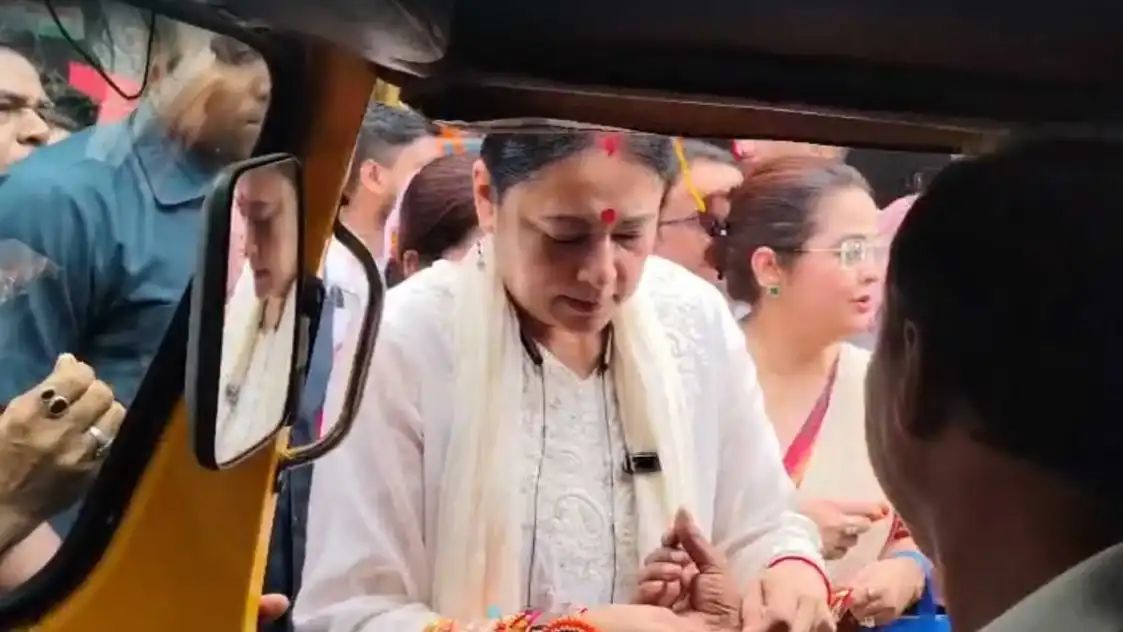
Kolkata woke up to a warm Raksha Bandhan morning on Friday as West Bengal minister Agnimitra Paul visited several parts of the city to join pavement dwellers and other residents in the celebrations. She tied rakhis to auto-rickshaw drivers and distributed chocolates and laddus among children living on the pavements.
Paul’s celebration was part of a wider Raksha Bandhan programme across West Bengal, where events focused on fraternity, social harmony and the spirit of togetherness. The celebrations have been focussing on fraternity, social harmony and community participation.
The interaction also carries a particular context. Only days earlier, Paul had faced criticism after a video from Park Street showed her reprimanding a pavement-dwelling woman who was heating milk for a child. The episode drew opposition from political rivals and criticism on social media.
Paul later acknowledged that her manner had been inappropriate. She said she had been concerned about the use of a stove beside a busy road and the safety of the child, but admitted that she was angry and had not chosen her words carefully. She also said arrangements had been made for the family to move into shelter and that assistance had subsequently been provided.
On Friday, however, the tone was strikingly different. Paul was seen greeting pavement dwellers cordially, tying rakhis and offering sweets to children. When asked why she was participating with them, she stated, “Everyone says Vande Mataram. Everyone is a citizen of India. Why should I not tie them a rakhi?”
The moment inevitably drew attention because of the contrast with the events of the previous week. A public exchange over a pavement and a pot of milk had quickly become a wider debate about poverty, civic regulation and the manner in which public representatives engage with vulnerable citizens. The Raksha Bandhan outreach brought that debate back into focus, though in a very different setting.
There is a larger significance to the gesture. Pavement dwellers are among the city’s most visible yet vulnerable residents, living in public spaces without the security, privacy and stability of a permanent home. In that setting, a festival built around protection, care and fraternity proves to be of great significance.
At the same time, a single day’s gesture cannot resolve the questions surrounding life on the pavements. Where should families with nowhere else to go live? How should cities balance pedestrian safety with the basic needs of people who have no secure home? And can civic enforcement be firm without becoming indifferent to poverty?
Paul’s Friday visit brought the message of inclusion into the heart of the city’s streets. But beyond the celebrations, remains a larger question: will moments of solidarity lead to sustained support and dignity for those living without a permanent home?
The children who received chocolates and the people who shared the festival with her experienced Friday as a simple celebration of Raksha Bandhan. The gesture may be viewed through different lenses; as an effort to rebuild trust, a political outreach or simply a genuine expression of concern. Regardless of the motivation, it created a moment of connection and empathy between a public representative and people living on the city’s margins. It reflected a willingness to engage, acknowledge, and take accountability for past tensions and meet citizens with empathy.
In a city often divided by politics and circumstance, seeing people come together, even briefly, is always a reminder of the humanitarian spirit at the heart of any festival. The larger test, however, will be whether that spirit continues beyond the celebrations.
Discover more from News Tap One
Subscribe to get the latest posts sent to your email.


Loved reading the news. Very well written.
Thank You !!