
When Dress Codes Cross the Line: Rethinking Workplace Norms for Women Employees
The conversation around workplace dress code for women employees has gained renewed attention, especially in light of recent developments across corporate spaces. Organisations often justify dress codes as a way to maintain professionalism and uniformity, but certain norms can feel restrictive, particularly when they disproportionately affect women.
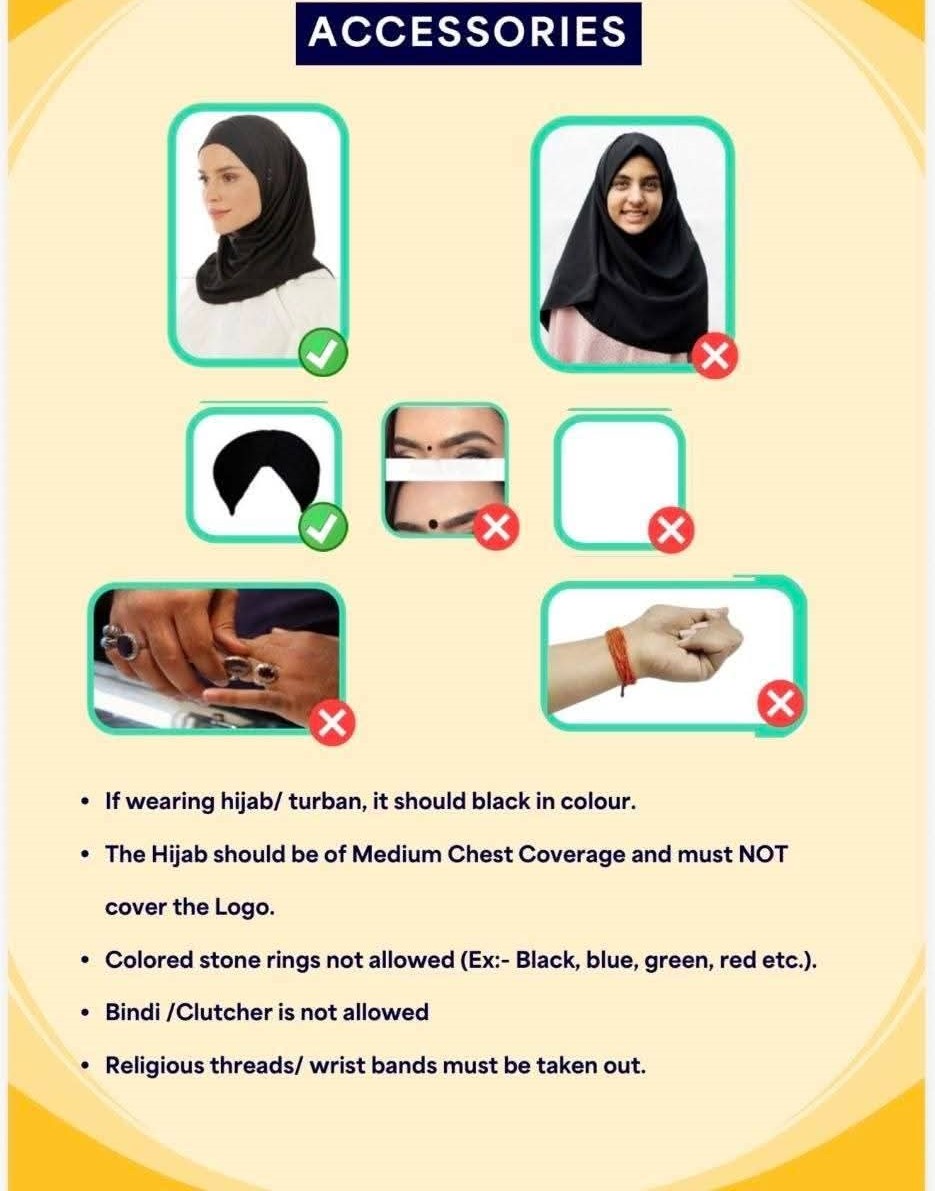
At the heart of the issue lies a fundamental question: where should organisations draw the line between professional guidelines and personal freedom? A workplace should promote inclusivity and respect individuality. However, when organisations dictate specific choices such as the colour of a hijab, restrictions on bindis, or the removal of religious threads they move beyond standardisation and begin to regulate personal expression and identity.
One of the key concerns with such norms is autonomy. Clothing and accessories do not simply serve aesthetic purposes; they often carry cultural, religious, and personal significance. For many women, items like a bindi or a religious thread represent identity rather than fashion. When organisations restrict these expressions, even in the name of uniformity, they risk marginalising employees and making them feel less visible or valued in the workplace.
These norms can also create an unequal burden. Although companies often present dress codes as gender-neutral, they frequently enforce them more strictly on women. Employers tend to issue more detailed instructions around women’s appearance, grooming, and accessories, which raises valid concerns about fairness and balance. A professional environment should evaluate individuals based on their skills, performance, and contributions not on narrowly defined appearance standards.

Shefali Vaidya also weighed in on the broader debate around dress codes and women’s autonomy on ‘social media ‘X’, highlighting concerns about personal choice, cultural expression, and the fine balance between workplace professionalism and individual freedom.
Inclusivity adds another important dimension to this discussion. Modern workplaces actively promote diversity, equity, and inclusion. Yet, overly prescriptive dress codes can contradict these goals. When organisations limit visible expressions of culture or religion, they signal that conformity matters more than diversity. This approach can negatively affect employee morale and shape how people perceive the organisation’s commitment to inclusivity.
The psychological impact also deserves attention. When employees feel that others constantly monitor or judge their appearance, they may experience discomfort and reduced confidence. Instead of fostering belonging, restrictive norms can pressure individuals to suppress parts of their identity to fit into workplace expectations.
This does not mean organisations should eliminate dress codes altogether. Companies need basic guidelines to ensure neatness, safety, and appropriateness in professional settings. However, organisations must design these guidelines with flexibility, inclusivity, and respect for personal boundaries.
A more balanced approach would involve setting broad principles rather than enforcing rigid rules. Organisations can encourage professionalism while still allowing employees to express their cultural and personal identities. This approach creates a more supportive and equitable workplace.
Ultimately, the debate around workplace dress code for women employees goes beyond clothing. It raises deeper questions about respect, autonomy, and the right to self-expression. As workplaces evolve, organisations must also rethink how they define professionalism in ways that truly support inclusivity.
Discover more from News Tap One
Subscribe to get the latest posts sent to your email.

