
Iran’s Missile Strike on Southern Israel Just Turned a Regional War Into a Global Risk
Iran Hits Southern Israel: The World Is Watching
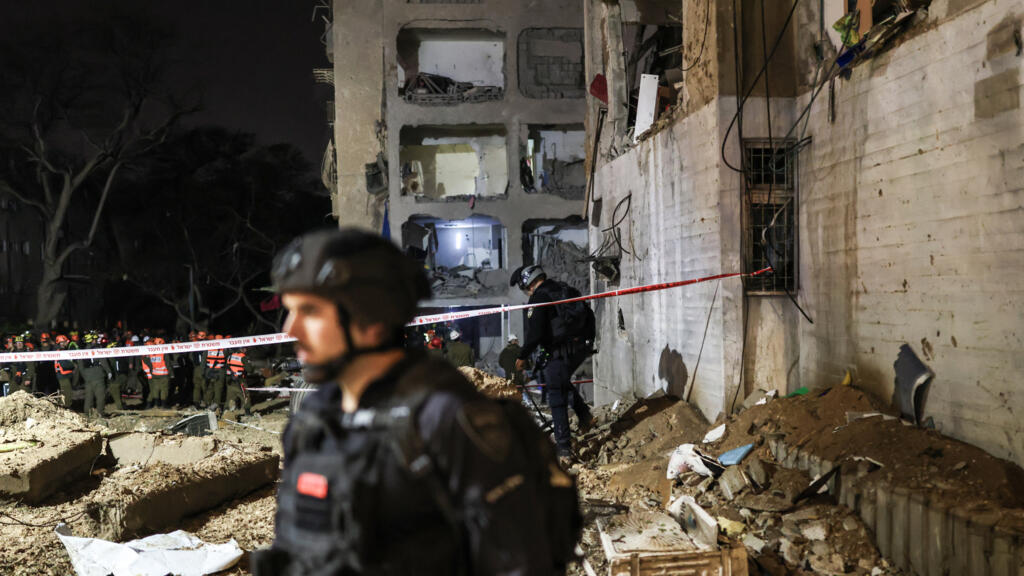
On March 21, missiles hit Israeli cities of Arad and Dimona and almost 100 people were injured. One strike was near the nuclear research plant of Israel. The IAEA allayed the concern of a radiation leakage but the message was obvious Iran is ready to strike deep, and it is no longer careful about what it hits.
Why This Is Different
Previously existing interactions between Iran and Israel remained largely in check. This feels different. Neighbourhoods used by the civilians were attacked. One of the targeted locations was a nuclear location. And Iran continues to block the Strait of Hormuz, the small passage through which about a fifth of all oil and gas of the world passes.
The IEA has already responded by releasing emergency fuel reserves. G7 countries are not managing shipping security as a far off battle, but an economic crisis.
The Bigger Risk
It has certain silver linings. The nations are putting an increased amount of money in missile defence. Shipping convoys are contracting. Energy suppliers are becoming diversified. However, the dangers are more than the profits at the moment.
Oil prices are climbing. The cost of war insurance is on the increase. The Lebanese proxy war is on the increase. Each week when there is no ceasefire increases the possibility of an even greater mistake.
This war is not a Middle East tale any longer. The international markets will continue to experience the pressure until a genuine de-escalation deal is formed.
Discover more from News Tap One
Subscribe to get the latest posts sent to your email.

