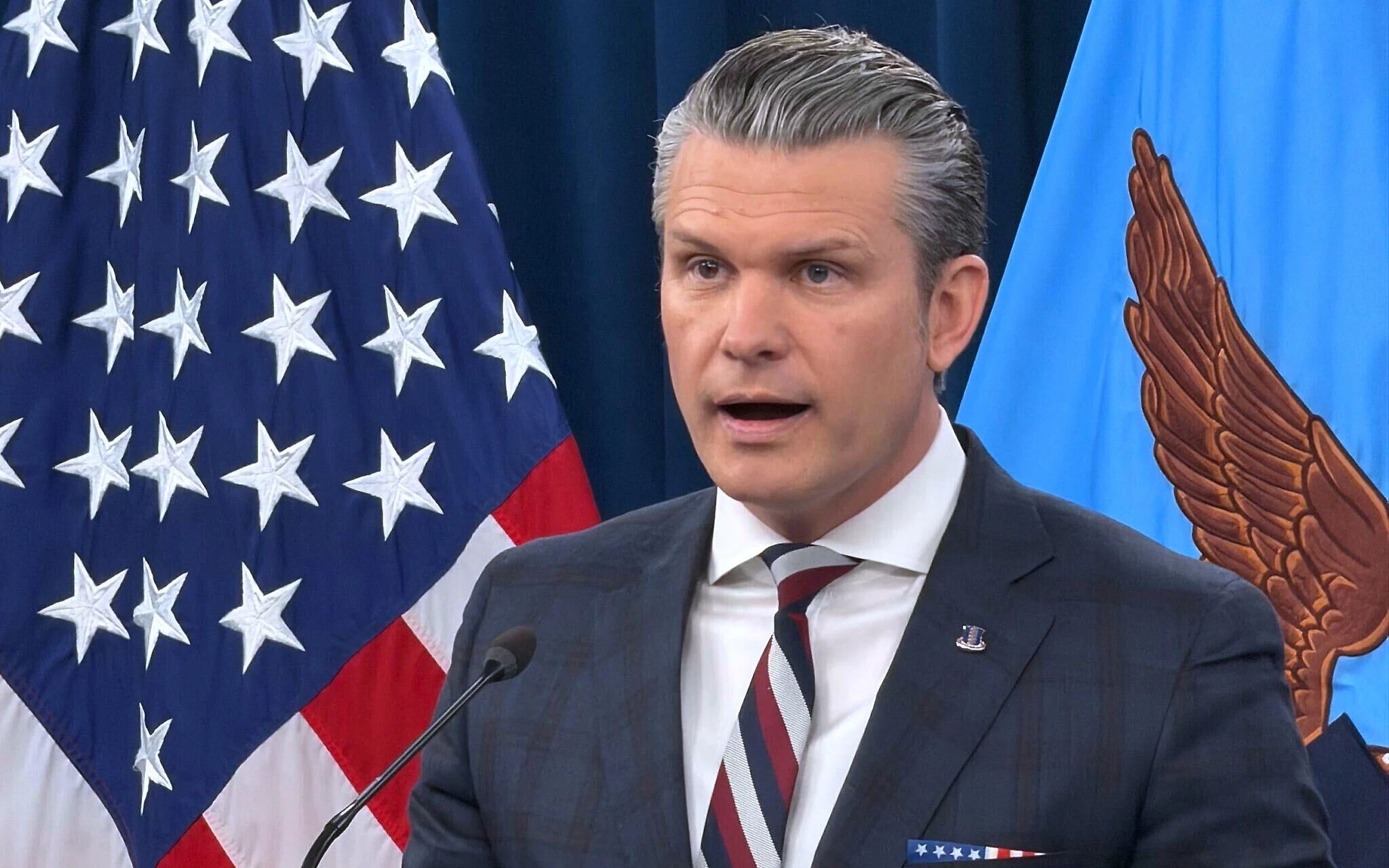
Hegseth Says U.S. Objectives in Iran Haven’t Changed — But the Market Is Already Pricing in a Wider War
What the U.S-Iran War Means to the Rest of Us
At the end of February 2026, the United States and Israel attacked Iran. The given objective was also quite straightforward: it was to eliminate the missiles of Iran, its navy, and any route to the nuclear weapon permanently. No profession, no nation-building. Just targeted destruction.
Three weeks later, on paper, that mission appears to be quite successful. The production of missiles in Iran has reduced tremendously, its war vessels have been destroyed and the army leadership is in shambles following initial attacks that killed Supreme Leader Khamenei. However, the greatest impact of the war is now being felt away from the battlefield.
The Price You are already Paying
Iran responded by attacking the Gulf oil and gas facilities. The refineries in Saudi, Kuwaiti terminals and a plant in the UAE were all hit. Brent crude crossed $115 a barrel. In one day European gas prices increased more than 30% in one day. The Strait of Hormuz that transfers about 20 percent of the international oil is practically blocked. The squeeze is already being felt by countries such as India which take close to half of their LNG imports in Qatar.
The Bigger Picture
Europe has not been consulted, and is not going to join. China is also anxiously concerned with its energy reserves. Turkey is making an attempt to remain neutral and prepare a wave of refugees.
Washington insists on the mission being limited. But the region does not think so, and markets do not think so. The impact of this move will be experienced over longer-term, probably raising energy prices, creating a more militarized Gulf and having a world who has finally become concerned about supply chain risk.
Discover more from News Tap One
Subscribe to get the latest posts sent to your email.