
Tariffs Tamed, Markets Unleashed: India-U.S. Deal Triggers Broad Rally
Industry applauds the India-U.S. trade deal as markets surge, lifting investor confidence, strengthening the rupee and driving a sharp rally in stocks.

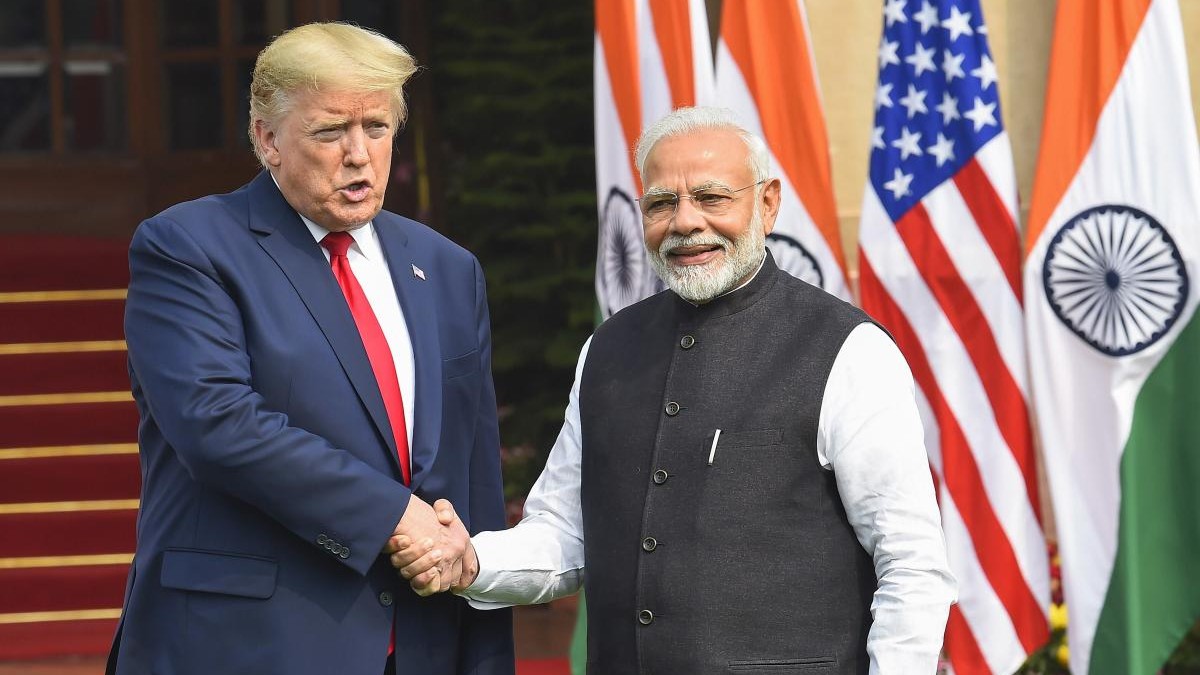
India and the United States have agreed to a landmark trade deal that sharply reduces tariffs on Indian goods exported to the U.S.- slashing duties from as high as around 50% to roughly 18% – a key long-awaited move that ends months of uncertainty between the two economies. The pact, struck between Indian Prime Minister Narendra Modi and U.S. President Donald Trump, also involves commitments on reducing trade barriers, with India agreeing to cut tariffs on U.S. imports in many categories, and discussions on energy sourcing under way.
Stock Markets Rally Sharply
Financial markets across India reacted with broad-based optimism:
- Benchmark indices opened sharply higher, with the BSE Sensex jumping 2,300+ points in early trade and the NSE Nifty rising strongly as investors cheered the tariff relief.
- Some reports noted Sensex gains of more than 3,500-4,000 points at the open, with the Nifty up as much as ~5% in in intial trade.
- Major export-linked stocks – from auto ancillaries to textiles and engineering goods – led the rally, while IT and banking names also participated in the upswing.
Market commentators say the deal removes a key overhang on investor sentiment, potentially paving the way for renewed foreign institutional investment into Indian equities.
Rupee Strengthens After Deal
The Indian rupee rallied sharply against the U.S. dollar as global investors welcomed the agreement:
- The currency appriciated more than 1% in early trade, strengthening back toward levels not seen in months.
- Analysts said the tariff truce reduces risk permia that had weighed on the rupee through late 2025, when punitive tariffs and capital outflows pressured the currency.
Industry & Economic Reactions
Industry groups and corporates have broadly welcomed the deal, welcoming the tariff cuts as a boost to export competitiveness for key sectors such as textiles, gems & jewellery and engineering goods.
Brokerages and analysts highlighted potential positive impacts:
- Lowered tariffs could improve price competitiveness against rivals like Vietnam and Bangladesh.
- Export-oriented segments from auto components and pharmaceuticals to chemicals and solar manufacturing could see improved order inflows and margins.
- A return of foreign portfolio investors is seen as likely if valuations and earning outlooks align.
Why This Matters
The deal is significant because the U.S. has been India’s largest export market and high tariffs imposed last year had cooled trade flows and hurt investor confidence. Economists and investments strategists say cutting tariffs removes a major headwind while strengthening India’s global trade integration and boosting sentiment across equity, currency and bond markets.
Looking Ahead
While markets celebrated the announcement, long-term impact will depend on how swiftly tariff benefits translate into export growth, corporate earnings expansion and sustained foreign flows. Some observers note that agricultural and other sensitive sectors may still require detailed negotiations. For now, though, the combination of strong market rallies, a firmer rupee and positive industry response signals a broad welcome to what many see as a significant reset in India-U.S. trade relations.
