
Digital Scam Trail: Jeevika Account Under Probe.
July 1, 2025 | New Delhi, India
Ghost Foundation With Real Money Flow
On August 8, 2024, one of India’s most shocking cyber heists unfolded in plain sight. In New Delhi’s Trilokpuri area, a flat stood vacant. Yet, it bore the nameplate of “Jeevika Foundation.” The name meant little until financial investigators unearthed explosive evidence: a bank account registered under this untraceable NGO had processed nearly ₹3.72 crore in a single day.

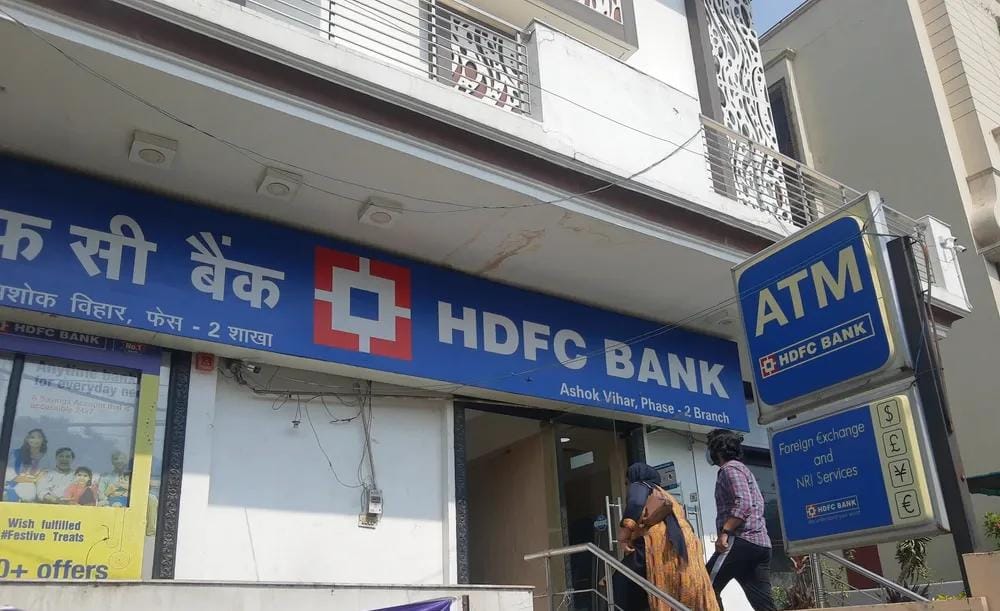
That day, the account at HDFC Bank’s Karol Bagh branch started with just ₹556. But by evening, 1,960 transactions had passed through it. Out of ₹3.72 crore received, ₹3.33 crore had already vanished.
Neighbors confirmed the flat remained unoccupied for a year. Yet, it drew multiple police visits from Delhi, Srinagar, and Gurugram in the following months. All wanted answers about Jeevika. None found any.
Digital Scam Trail Ties to Fraud Network
This single-day surge wasn’t random. Authorities believe the account was used by a national-level cyber fraud syndicate. Their main weapon: digital arrest scams. One of their victims, Biren Yadav, a 78-year-old retired IAF officer, transferred ₹1.59 crore under duress. Fraudsters tricked him into believing his identity was involved in criminal activity.
Out of this sum, ₹42.5 lakh went directly into Jeevika’s account. Multiple police reports from Hyderabad, Manipal, Chennai, Gurugram, and Kolkata now connect to the same network. So far, ₹1.4 crore in unrecovered funds has been officially linked.
Digital Scam Trail Exploited Multiple Banks
Shockingly, banks involved failed to detect anything unusual. HDFC Bank staff claimed proper Know Your Customer (KYC) procedures were followed. Yet, 1,960 transactions in 24 hours drew no alarm. The bank only froze the account when just ₹38 lakh remained. By then, most of the money was gone.
Police confirmed that the authorized signatory was physically present during account verification. However, there was no follow-up when transaction volumes surged drastically.
Gurugram Executive’s ₹5.85 Crore Loss
Another alarming case emerged in Gurugram. A senior advertising executive fell prey to a similar digital arrest scam. Over just two days, she transferred ₹5.85 crore from her HDFC accounts to ICICI Bank, where the beneficiary was a 26-year-old named Piyush from Subana village, Haryana.
She physically visited Regent Plaza and City Court branches of HDFC Bank. When questioned by staff, she cited a medical emergency. Not wanting to seem intrusive, the bank complied and processed the transactions.
ICICI Bank’s branch in Jhajjar handled the incoming funds. They didn’t detect anything suspicious. Piyush, jobless and residing in a remote village, had recently shifted to digital banking. This change prevented system alerts and physical scrutiny.
Bank officials later admitted there were “no trigger points” since the customer wasn’t withdrawing cash over the counter.
Sreenivasa Padmavathi Bank’s Shady Role
In Hyderabad, the Sreenivasa Padmavathi Cooperative Bank became a critical junction in the same scam trail. Investigators traced 11 mule accounts used to reroute stolen funds. The bank’s chairman, P. Srinivas Kumar, blamed ICICI Bank for not alerting authorities earlier.
He said, “An account with thousands shouldn’t suddenly receive ₹5.85 crore without flags.” After the scam broke, the bank froze all 11 accounts. It also dismissed Director Venkateswaralu Samudrala, who had opened most of them. He was later arrested by Gurugram Police.
The Union Home Ministry’s cyber unit confirmed these 11 accounts were also tied to 181 other cybercrime complaints nationwide.
The Jeevika Mystery Deepens
No formal records of the Jeevika Foundation exist in India’s NGO registry or the Registrar of Companies. However, a Facebook page listed a man named Dr. Amarendra Jha as a functionary. When contacted, he admitted briefly associating with Jeevika. Later, he denied all involvement. He stopped responding to further inquiries.
Police remain unsure if “Jeevika Foundation” ever had real operations or if it was always a shell. What’s certain is that it enabled the movement of crores — unmonitored — through India’s leading banks.
Bank Reactions Raise More Questions
HDFC Bank issued a public statement highlighting its awareness campaigns, including Vigil Aunty, to educate customers. They claimed that staff had been trained to flag unusual behavior.
However, they also admitted that some customers resist intervention, especially when transferring large amounts. This resistance often prevents employees from taking protective action.
ICICI Bank insisted that it uses advanced transaction monitoring systems, linking with the National Cybercrime Reporting Portal and I4C (Indian Cyber Crime Coordination Centre). Despite their claims, Piyush’s case slipped through without detection.
The pattern is clear — cybercriminals understand banking loopholes. They now exploit them with speed, precision, and confidence.
Victims’ Money Rarely Recovered
What’s worse, victims hardly ever get their money back. Scam proceeds move too quickly. Funds bounce across multiple accounts in seconds. By the time one account is frozen, the money has already disappeared into another.
According to senior cyber officers, unless banks integrate AI-based threat analysis and real-time pattern recognition, mule accounts will continue multiplying.
Until then, prevention remains the only cure. Authorities urge customers to verify every financial request, especially those involving threats or legal accusations over calls or messages.
Final Word: A National Red Flag
India’s digital scam trail is no longer isolated. These aren’t just local thefts. They represent a deep-rooted financial vulnerability. Banks, police, and the public must urgently bridge awareness gaps.
Otherwise, cybercriminals will keep moving crores with ease — while accountability stays missing.
Read more : Pakistani Couple Dies Crossing Thar Desert to Enter India.
Discover more from News Tap One
Subscribe to get the latest posts sent to your email.

