
Rose Valley Refund: Suvendu Adhikari-Led Bengal Government Moves High Court With Fresh Plan for Depositors

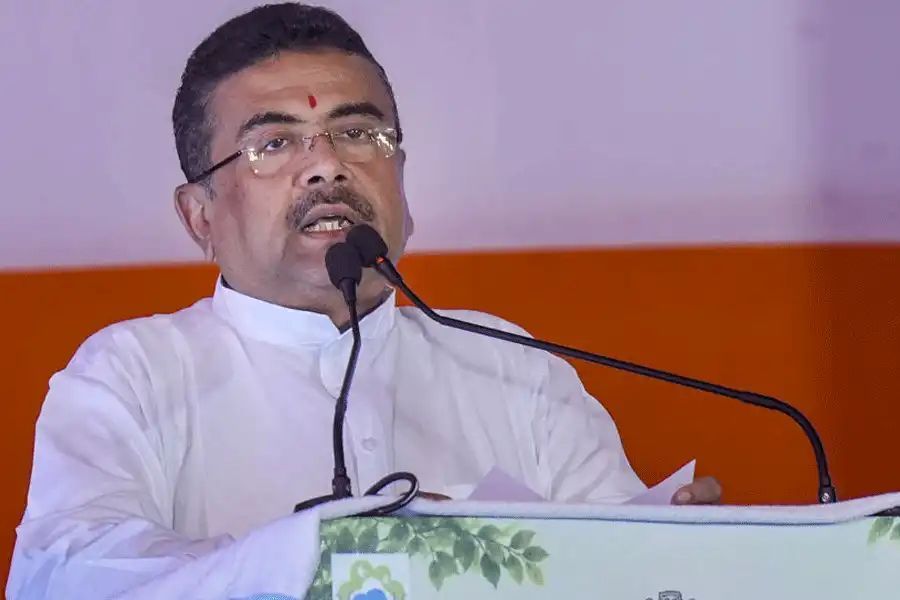
The long-running Rose Valley refund case has taken a pivotal turn with the Suvendu Adhikari-led West Bengal government placing a new proposal before the Calcutta High Court to speed up the return of money to depositors. The state has proposed a time-bound mechanism for disposing of Rose Valley’s remaining assets and using the proceeds for investor restitution. The proposal comes amid renewed scrutiny of the existing Asset Disposal Committee (ADC), which was created by the High Court to oversee the sale of assets and distribution of recovered funds.
The proposal is significant because the Rose Valley refund process has struggled with the sheer scale and complexity of the assets involved. The group’s properties include hotels, land and other commercial assets spread across different locations, and converting those assets into funds for depositors has required court supervision, valuation and auction proceedings. The latest state proposal seeks a more streamlined process under direct High Court oversight, with the government arguing for a defined timeframe for asset disposal. The court’s response will determine whether the proposed mechanism replaces or substantially changes the existing arrangement.
There has already been progress on restitution. According to the Enforcement Directorate, ₹127.69 crore had been distributed to 1,73,350 Rose Valley victims in 16 phases by April 2026. The ED has also continued attaching and securing assets for eventual restitution. Earlier, the Union government handed over ₹515.31 crore to the court-appointed mechanism for distribution among eligible depositors. These figures show that the refund process is moving, but also underline the enormous gap between the money recovered so far and the scale of the claims.
For thousands of Rose Valley depositors, the case is not merely a prolonged legal and financial dispute; it represents years of uncertainty over money they had entrusted to the schemes. While courts and agencies continue to recover and dispose of assets, many investors are still waiting for restitution. The key humanitarian question now is: how quickly can the system turn recovered assets into actual financial relief for verified depositors, particularly those who may have limited means to endure years of legal and administrative delays?
The numbers underline the scale of the challenge. The Enforcement Directorate has reported that ₹127.69 crore was distributed to 1,73,350 victims across 16 phases by April 2026. While these payments have provided relief to thousands, the continuing process of asset identification, valuation, legal resolution and claim verification means many others remain in the queue. This raises another important question: can the proposed time-bound mechanism make the refund process more transparent, accessible and efficient for people who have already waited for years?
The Calcutta High Court will now consider the state government’s proposal and determine how the next phase of asset disposal and restitution should proceed. For depositors, the real measure of progress will ultimately be how quickly verified claims translate into money actually reaching their hands. The challenge is to ensure that procedural safeguards remain intact without allowing the process itself to become another source of prolonged uncertainty for those awaiting their savings.
Discover more from News Tap One
Subscribe to get the latest posts sent to your email.

