
Namaz Case: Court Rejects FIR Quash in NSS Eid Row.
May 29, 2025 | Bilaspur, Chhattisgarh
In a decisive ruling on May 29, 2025, the Chhattisgarh High Court refused to quash an FIR linked to a sensitive namaz case that emerged during an NSS camp. The incident took place in March 2024 at Ghasidas Central University’s program in Shivtarai village.
The court emphasized the necessity of a full investigation before legal intervention, rejecting the plea filed by the accused professors. As the judiciary weighed in, this ruling reignited a national discussion over the balance between religious freedom and institutional boundaries in educational setups.

Namaz Case Draws Legal Scrutiny
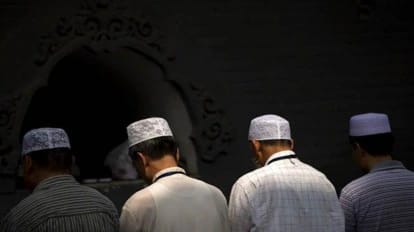
The case centers on allegations that professors encouraged students to offer namaz during an NSS event. A section of students felt that this act forced religious participation within a state-affiliated program, raising serious concerns. The professors, however, claimed the prayers were voluntary and conducted as a mark of Eid celebration.
Despite this defense, complaints reached local police, and an FIR was registered. This sparked criticism from various corners, especially among those advocating strict secularism in public institutions. Legal experts point out that such matters must be assessed carefully, as they involve constitutional rights and public sentiment.
Namaz Case Petition Dismissed
While filing the petition, the professors argued that the FIR was politically motivated and delayed. They mentioned the peaceful atmosphere and inclusive nature of the event, insisting that no coercion was involved. Nevertheless, the High Court maintained that pre-emptive dismissal would interfere with the integrity of legal processes.
It highlighted that such decisions should only be made once investigative agencies complete their work. The court further added that early judicial interference could risk undermining faith in due process. Observers suggest that this reinforces judicial restraint and strengthens legal norms across similar future cases.
Reactions Across India Intensify
The namaz case ruling has attracted responses from several political parties, educational bodies, and civil society members. Supporters of the court’s stance believe it preserves the investigative process, ensuring no accused escapes scrutiny. Critics, however, argue it may create a chilling effect on cultural observances in academic settings.
Many institutions across India are now reviewing their guidelines for religious events within public campuses. The controversy has grown beyond a regional matter, transforming into a national debate on whether such practices violate the secular nature of education. Legal scholars believe the case might serve as a reference point in defining policy on campus religion.
Read more : Trump Tariffs Ruling: Court Declares Measures Unlawful.
Discover more from News Tap One
Subscribe to get the latest posts sent to your email.

